
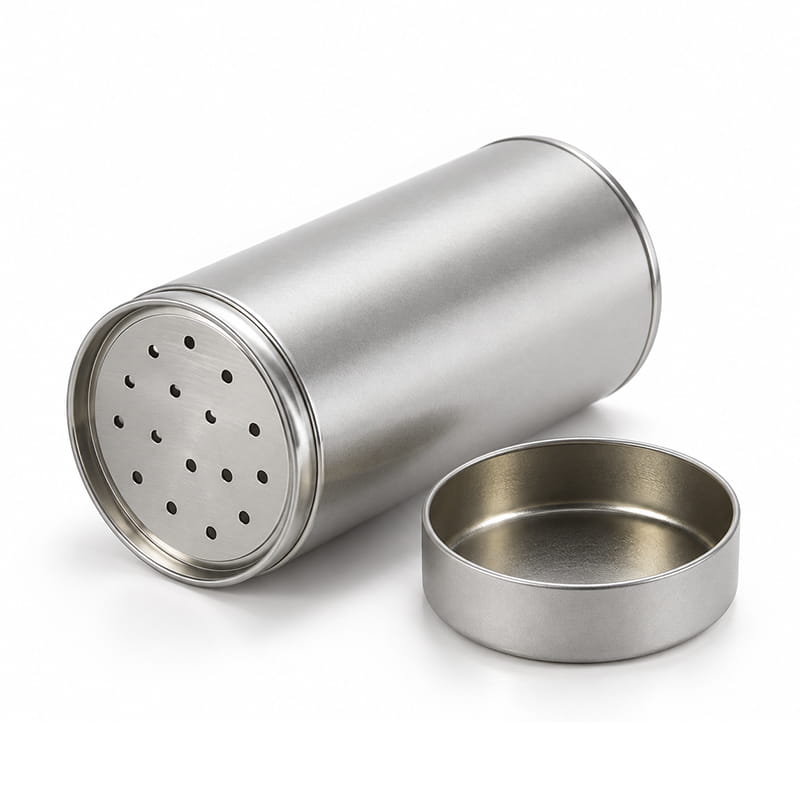
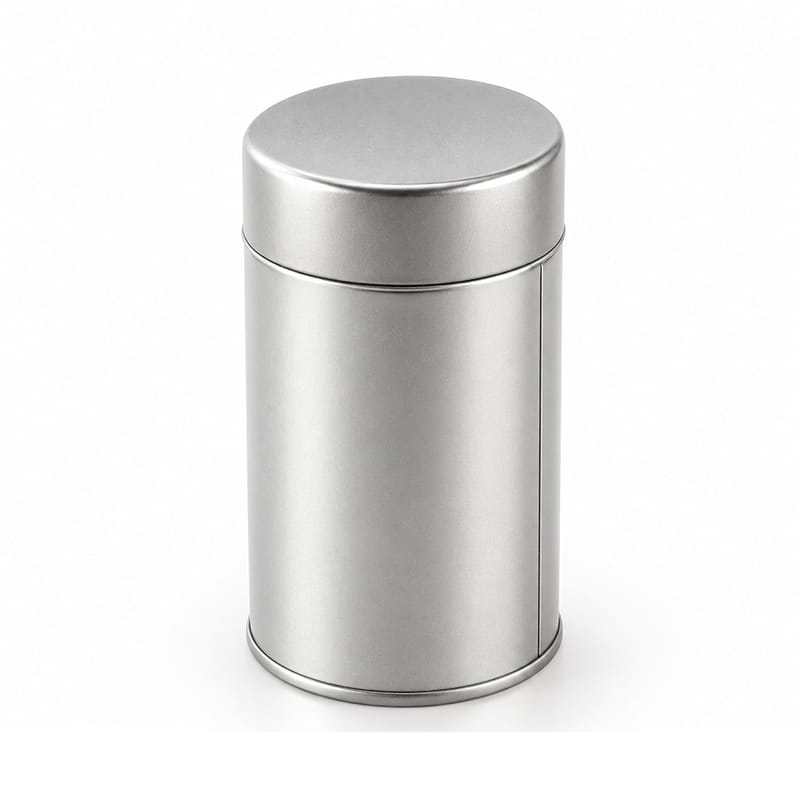
Product Name :
Spice Shaker Tins with Perforated LidDimensions :
D56×H90mmShape :
Cylindrical, CustomizableDesign :
Customizable, ODM / OEMPrinting :
CMYK offset printing and Pantone colour matchingSurface Finish :
Gloss, matt, metallic effects and selected decorative finishesMaterial :
0.23 mm Food-Grade TinplateMOQ :
5,000 pcsLead Time :
35 DaysPackaging :
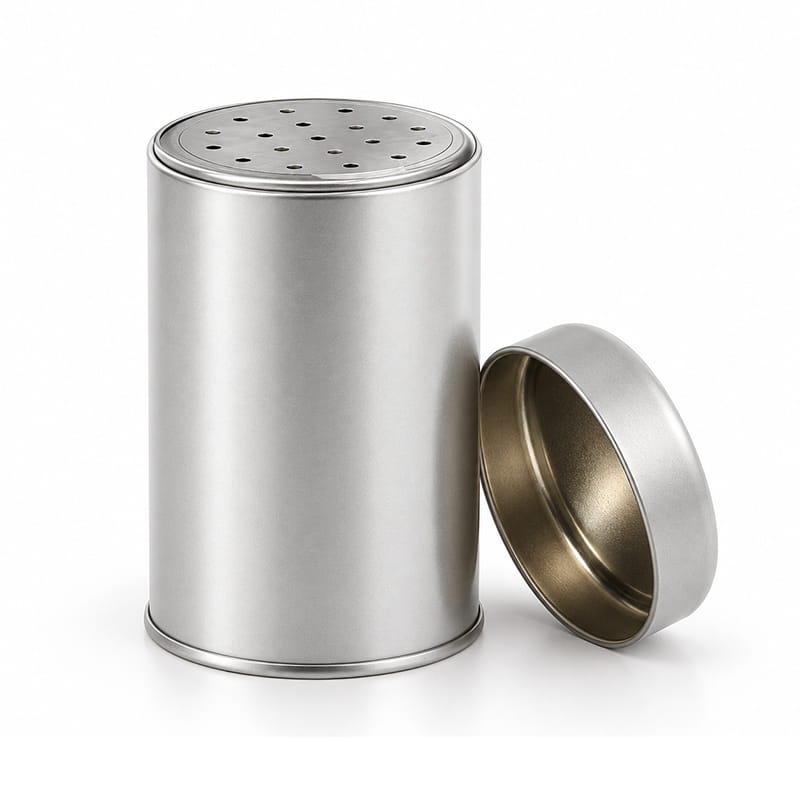
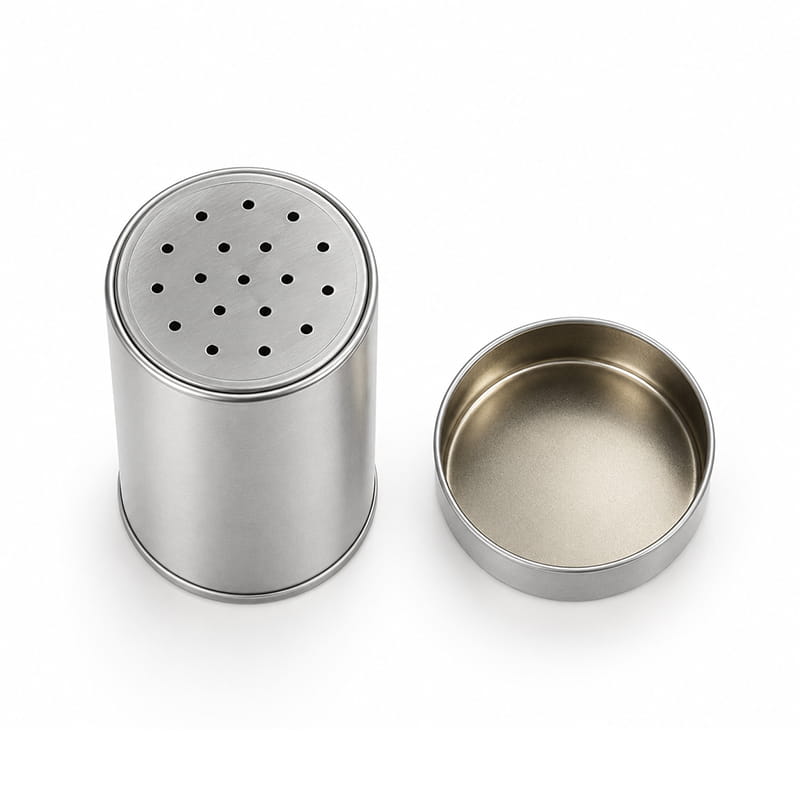
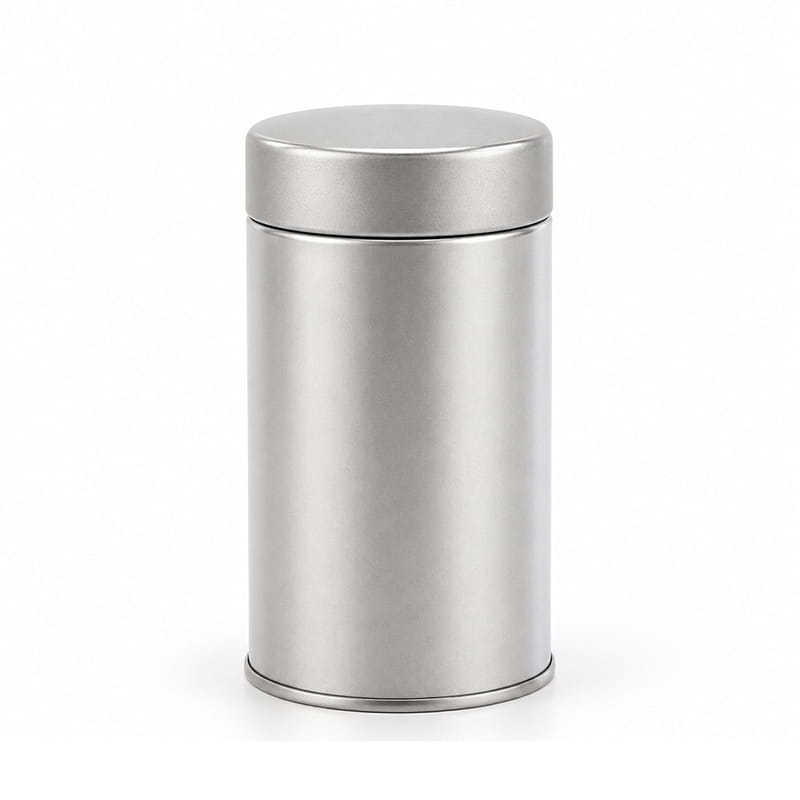
Opp Bag + Master CartonCustom spice shaker tins with perforated lids give seasoning brands a metal pack that customers can dispense from directly. The design combines a round tinplate body, a perforated metal insert and a separate outer cover. Start with a compact 175 ml reference format, then develop the artwork, dispensing pattern and packing details around your spice range.
Jinyu supports custom projects for spice brands, seasoning blenders, food importers and private-label packaging buyers.
The outer cover is removed to expose the metal shaker insert. The user then tips and shakes the tin to dispense the seasoning through the holes, replacing the cover after use.
Each version uses a selected perforation pattern. Different hole sizes mean different insert specifications; this design does not imply a rotating selector that changes between hole sizes.
Choosing a smaller hole does not automatically produce a better pack. A blend containing both powder and larger herb pieces may dispense unevenly or leave some ingredients behind. The aim is to match the insert to the whole blend and the way customers will use it.
The outer cover closes over the dispensing area between uses. It should not be treated as an airtight or liquid-tight seal.
The following are applications to evaluate during sampling, rather than guaranteed matches to a particular hole size.
| Potential application | What to check with a filled sample |
| Ground spices, such as paprika or ground pepper | Whether the powder flows consistently without excessive dusting or blockage |
| Salt-based seasoning blends | Whether different particle sizes dispense together and provide a useful serving amount |
| Dried herb blends | Whether flakes pass through the insert without bridging over the openings |
| Barbecue rubs and mixed seasonings | Whether finer and coarser ingredients remain reasonably balanced during repeated dispensing |
Bring the actual formulation into the selection process. Particle size, moisture uptake and the proportions of different ingredients can affect dispensing. A sample tested only with one substitute ingredient may not represent the finished blend.
This format is intended for dry contents. Liquids, wet fillings and formulations containing added free essential oils need a separate compatibility review. Storage conditions and internal coating suitability also need to be assessed for the intended product.
Use the cylindrical body for a consistent brand layout across individual seasonings. Keep the logo, product name and net quantity in predictable positions, then distinguish each blend through color, illustrations or a clearly defined flavor panel.
Custom artwork can include:
Brand colors and product illustrations.
Ingredient, allergen and preparation information supplied by your team.
Barcodes, batch-code areas and market-specific pack information.
Matching lid graphics to help identify products when viewed from above.
Jinyu can work from supplied artwork or develop the layout around an approved tin drawing. Confirm the body seam, lid overlap and printing boundaries before releasing the design, so essential information stays visible on the assembled pack.
A useful sample review covers both the container and the contents.
Confirm the fill. Check the target net weight, usable volume and headspace with the actual seasoning. A 175 ml tin does not hold 175 g of every spice.
Check dispensing. Try the proposed hole pattern with repeated pours. Look for blockage, uncontrolled flow or separation of larger ingredients from finer powder.
Review filling and assembly. Agree when the insert is fitted, how its seating is checked and how the outer cover is applied.
Review the finished pack. Check artwork visibility, code placement, cover fit and protection against rubbing or denting inside the shipping carton.
If the product needs a moisture barrier or tamper evidence, define that requirement before approving the closure. Any additional seal must suit the actual tin structure and filling process.
Frequently Asked Questions
Different insert specifications can be considered for a product range. Confirm tooling availability, hole patterns and the quantity split when requesting a quotation.
The reference structure uses a separate perforated insert and outer cover. A rotating selector or combined shake-and-pour mechanism would require a different closure specification.
The weight depends on bulk density and headspace. Fill a sample with your actual product before choosing a declared net weight.
A standard slip-on cover should not be described as airtight. Discuss any required barrier performance separately and validate the agreed packaging system.
Do not assume it is dishwasher-safe or suitable for soaking. Tinplate can corrode when exposed to moisture. Establish care instructions around the confirmed coating and construction.
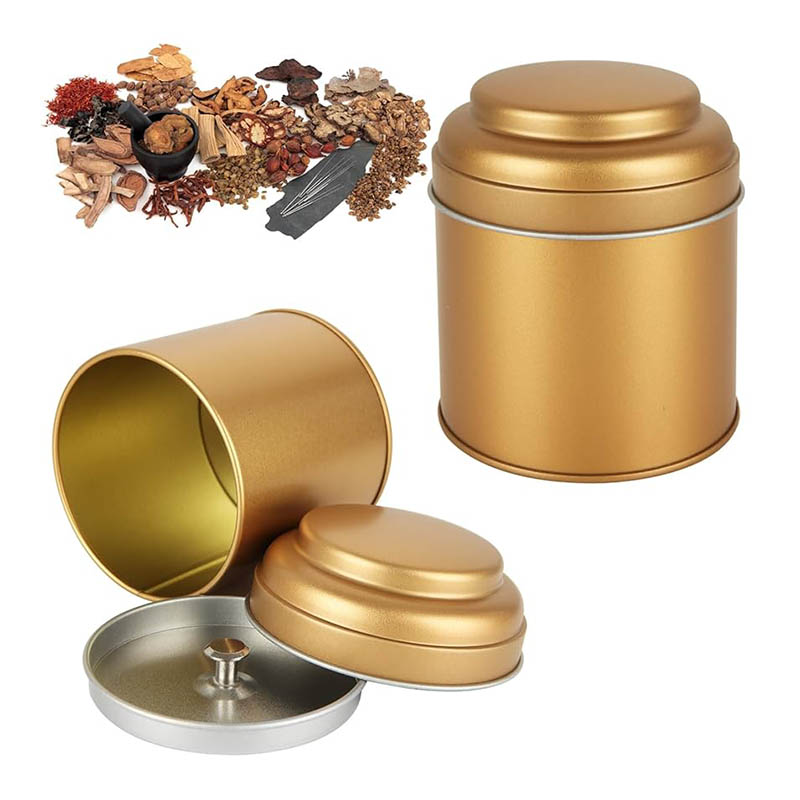
Robuste et adaptable pour diverses applications.Maintient un joint hermétique, préservant la saveur et l'arôme du thé.Offre une variété de tailles et de styles, ce qui facilite le choix de celui qui correspond à vos besoins.Utilisé pour stocker une gamme d’articles, notamment des épices, des herbes et des thés en feuilles.Extrêmement résistant, assurant une protection de votre thé contre l'humidité, la lumière et l'air.
EN SAVOIR PLUS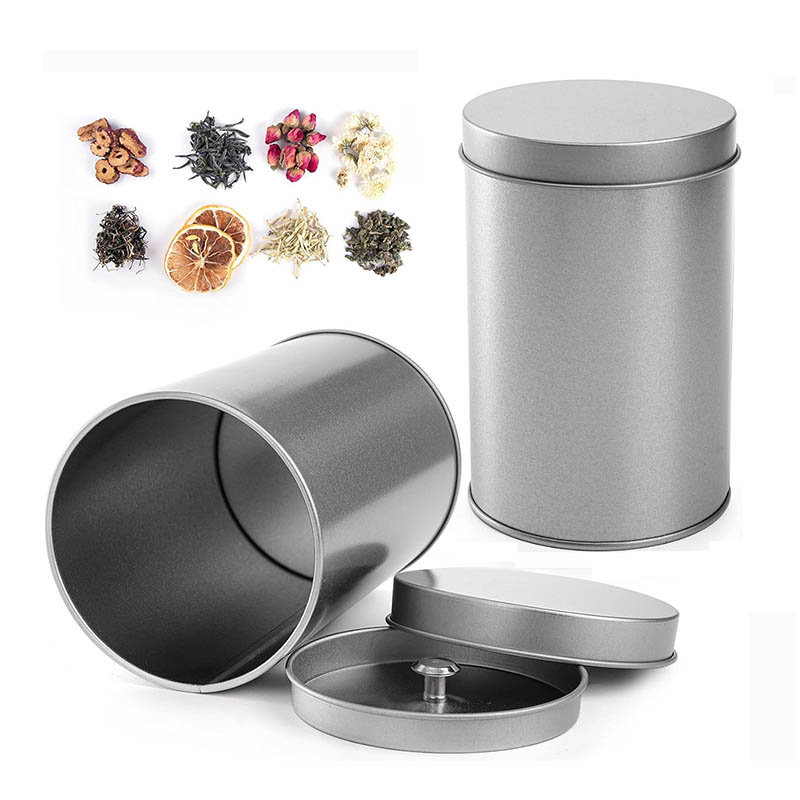
Polyvalent et résistant pour une multitude d'utilisations. Préserve l'essence et le parfum du thé avec un sceau sécurisé. Fournit une gamme de dimensions et de conceptions, simplifiant la sélection de celle qui répond à vos besoins. Utilisé pour stocker une gamme d'articles, tels que des épices, des herbes et des thés en feuilles. Exceptionnellement robuste, garantissant la défense de votre thé contre l'humidité, la lumière et l'air.
EN SAVOIR PLUS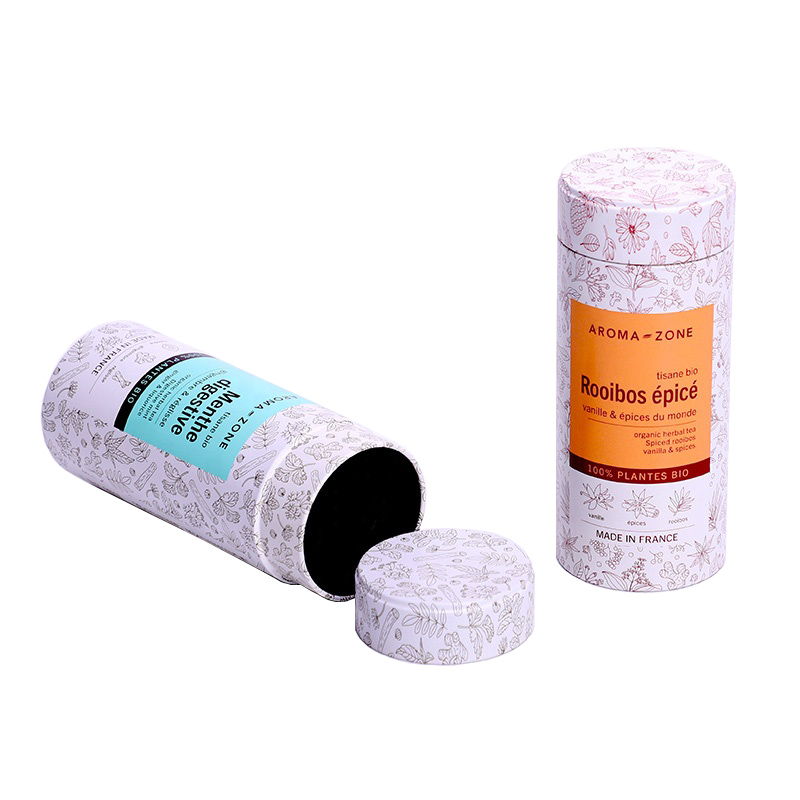
Choisissez parmi notre vaste gamme d’options d’emballage de canettes de thé pour répondre à vos besoins. Des processus avancés peuvent garantir que votre thé est scellé et conservé correctement pendant une période plus longue. Conçu avec un joint hermétique pour conserver la fraîcheur et la saveur de votre thé. Disponible en différentes tailles pour accueillir n'importe quelle quantité de thé. Un couvercle hermétique garantit que votre thé reste frais et savoureux.
EN SAVOIR PLUS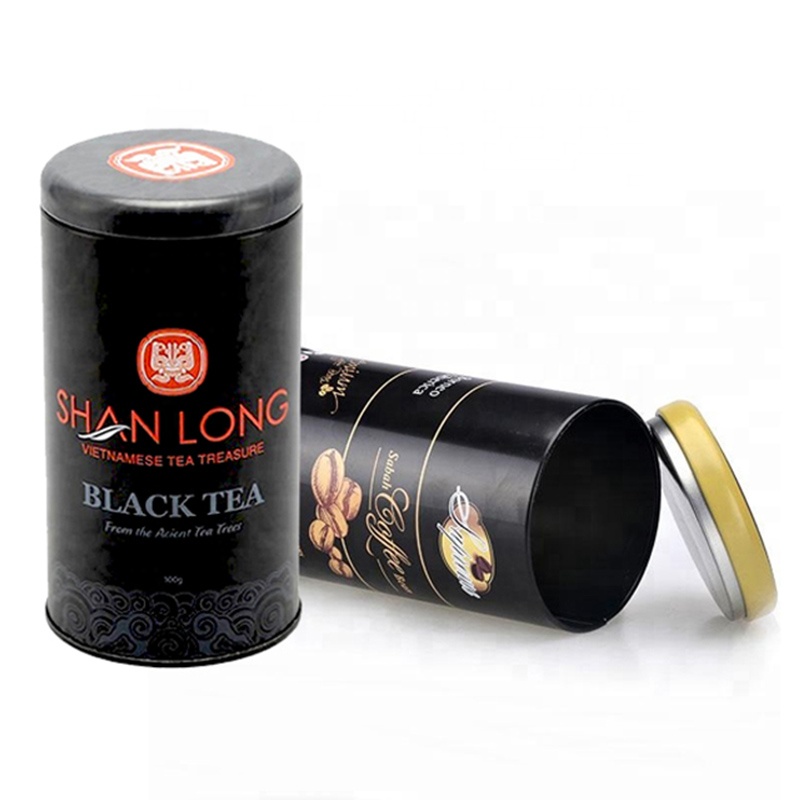
Boîte de conserve en métal pour café, taille: 85*155mm, Fabriqué avec un matériau en fer blanc de 0,23 mm d'épaisseur, une couleur CMJN 4 et une impression panton, nous prenons en charge toute personnalisation.
EN SAVOIR PLUS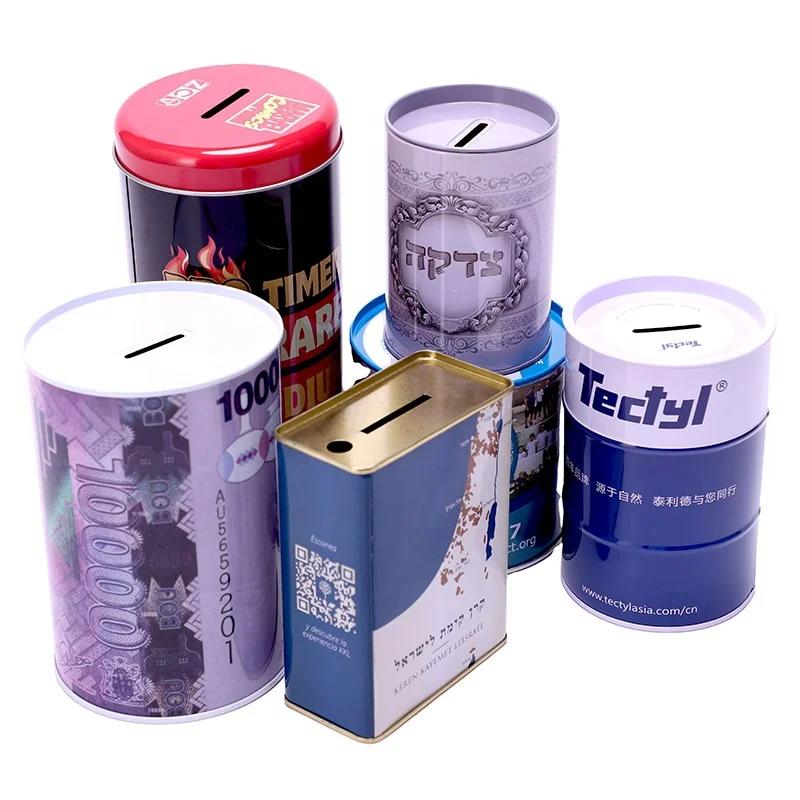
Qualité durable et peut être utilisé à plusieurs reprises.Sécurisez vos économies et protégez votre argent contre le vol.Une gamme variée de tailles et de styles vous aide à découvrir celui qui correspond à vos besoins.Utilisé comme cadeaux pour les enfants et les amis, et excellent moyen de promotion de marque commerciale.Fournisseur direct d'usine fiable, de haute qualité à un prix compétitif.
EN SAVOIR PLUS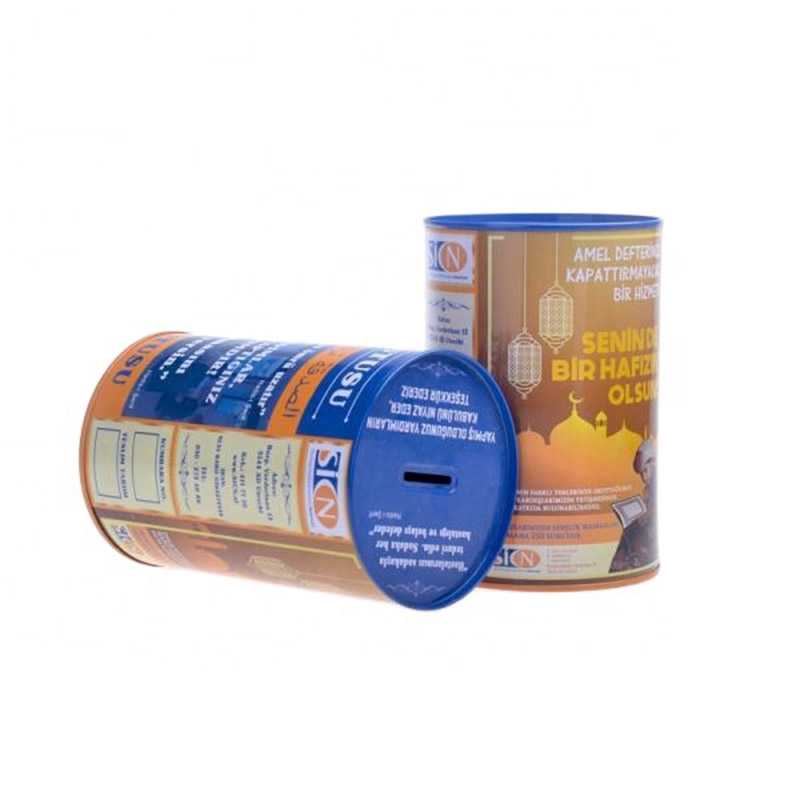
Qualité durable et peut être utilisé à plusieurs reprises.Sécurisez vos économies et protégez votre argent contre le vol.Une gamme variée de tailles et de styles vous aide à découvrir celui qui correspond à vos besoins.Utilisé comme cadeaux pour les enfants et les amis, et excellent moyen de promotion de marque commerciale.Fournisseur direct d'usine fiable, de haute qualité à un prix compétitif.
EN SAVOIR PLUS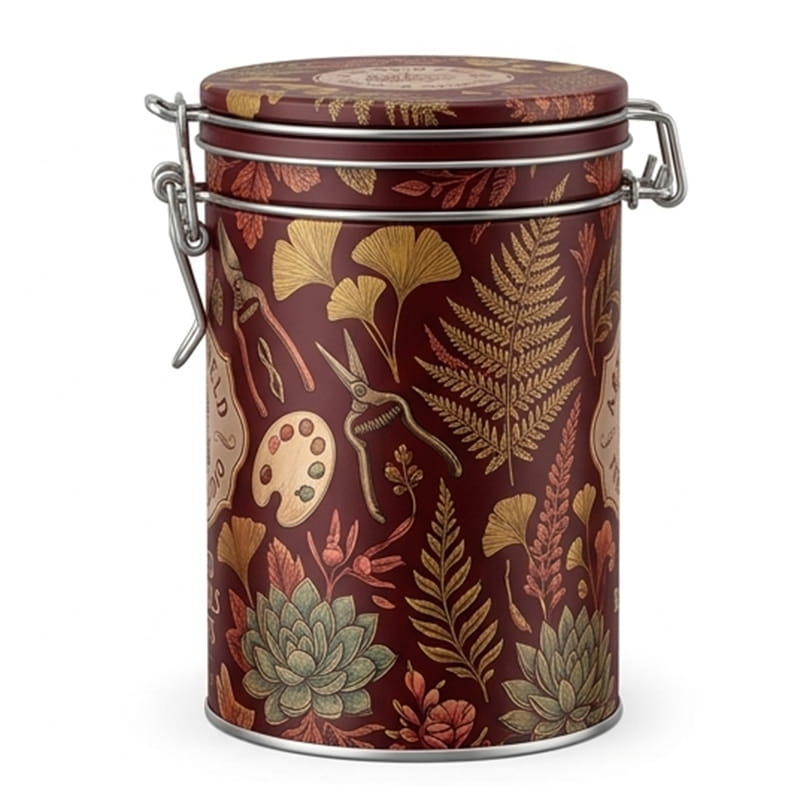
Boîte de conserve hermétique en métal pour café à thé avec loquet de verrouillage, taille: 100 * 160mm, Fabriqué en fer blanc de 0,23 mm d'épaisseur, impression couleur CMJN 4 ou panton, nous prenons en charge toute personnalisation.
EN SAVOIR PLUS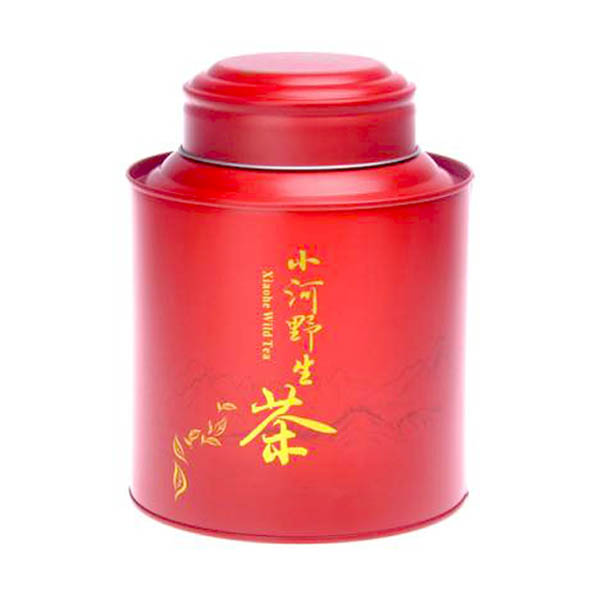
Boîte de conserve en métal à double couvercle, taille: D125 * 165mm, Fabriqué en fer blanc de 0,23 mm d'épaisseur, couleur CMJN 4 et impression panton, nous prenons en charge toute personnalisation.
EN SAVOIR PLUS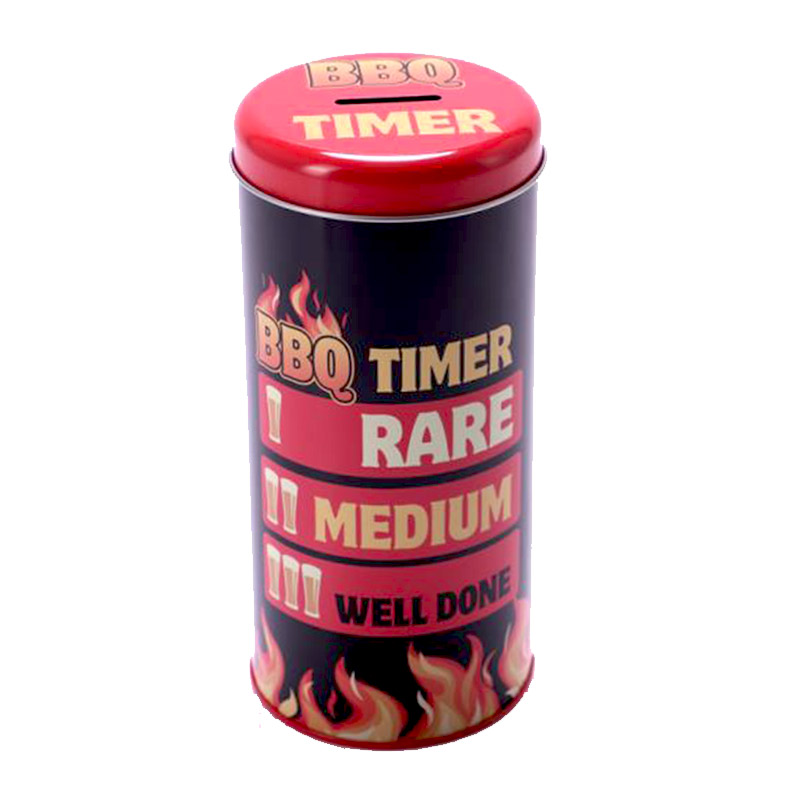
Qualité durable et peut être utilisé à plusieurs reprises.Sécurisez vos économies et protégez votre argent contre le vol.Une gamme variée de tailles et de styles vous aide à découvrir celui qui correspond à vos besoins.Utilisé comme cadeaux pour les enfants et les amis, et excellent moyen de promotion de marque commerciale.Fournisseur direct d'usine fiable, de haute qualité à un prix compétitif.
EN SAVOIR PLUS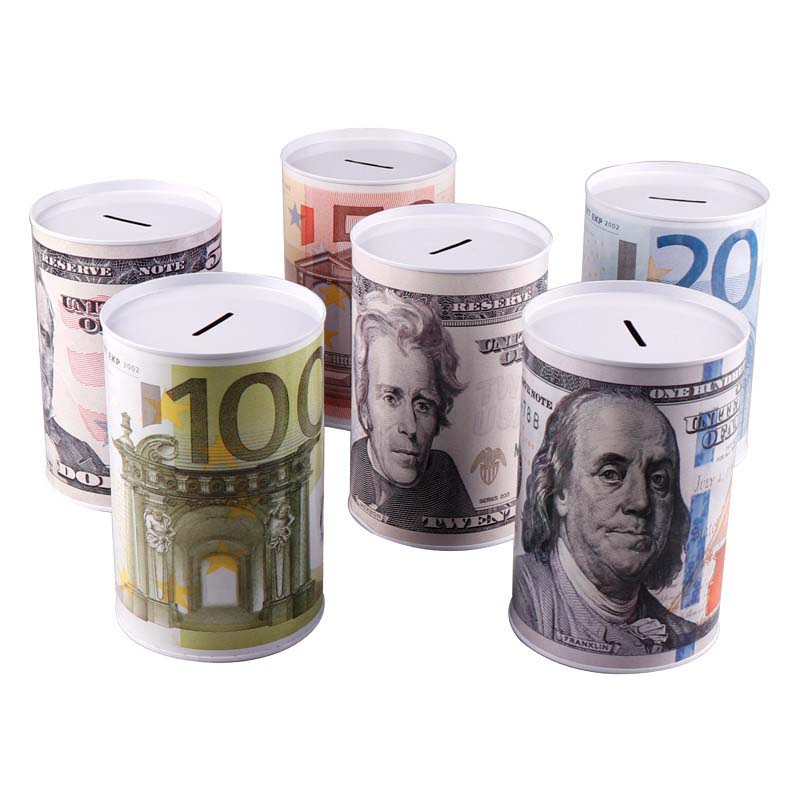
Qualité durable et peut être utilisé à plusieurs reprises.Sécurisez vos économies et protégez votre argent contre le vol.Une gamme variée de tailles et de styles vous aide à découvrir celui qui correspond à vos besoins.Utilisé comme cadeaux pour les enfants et les amis, et excellent moyen de promotion de marque commerciale.Fournisseur direct d'usine fiable, de haute qualité à un prix compétitif.
EN SAVOIR PLUS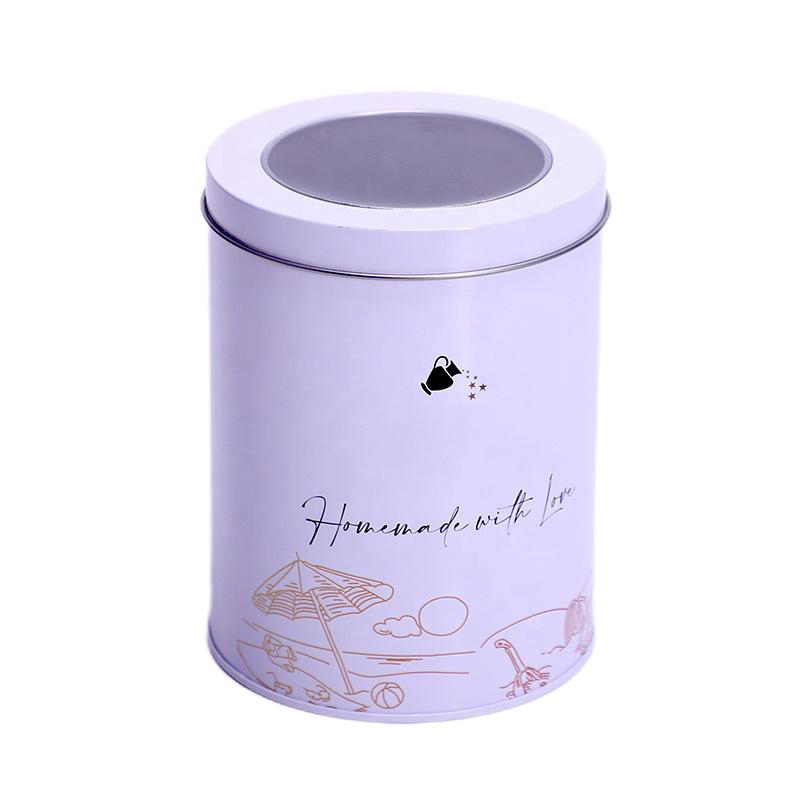
Nous proposons une gamme d'options d'emballage de gâteaux adaptées à vos besoins.L’utilisation de techniques de scellage efficaces peut prolonger la durée de conservation de votre gâteau.Nous avons noué des partenariats solides avec des marques de pâtisserie renommées.Nos emballages de gâteaux garantissent la sécurité grâce à l'utilisation de fer blanc de qualité alimentaire.Pour garantir l’excellence des présentations en boîtes en fer blanc, nous utilisons des machines d’impression professionnelles Pantone et 4 couleurs.
EN SAVOIR PLUS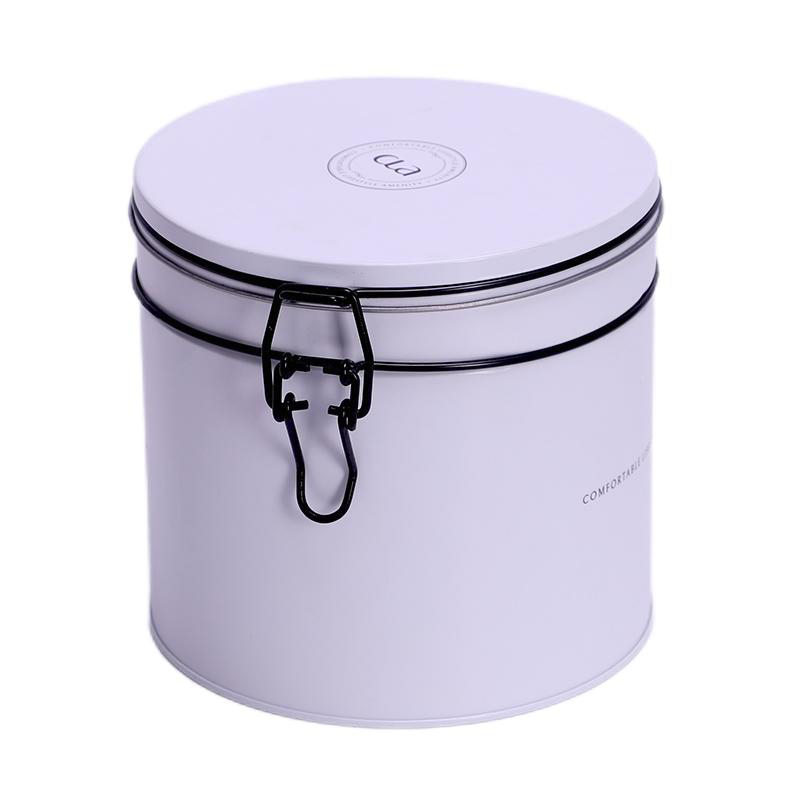
Nous proposons des options d'emballage pour les cookies adaptées à divers besoins d'emballage.Utilisez des techniques de scellement avancées pour garantir un stockage prolongé et la fraîcheur de vos cookies.Parfaites pour conserver la fraîcheur en empêchant l’air et l’humidité d’entrer, les boîtes à biscuits sont un choix idéal.Choisir une boîte à biscuits garantit un emballage durable et durable, ce qui en fait une option rentable.Conçues dans une variété de formes et de tailles, les boîtes à biscuits répondent aux préférences individuelles.
EN SAVOIR PLUS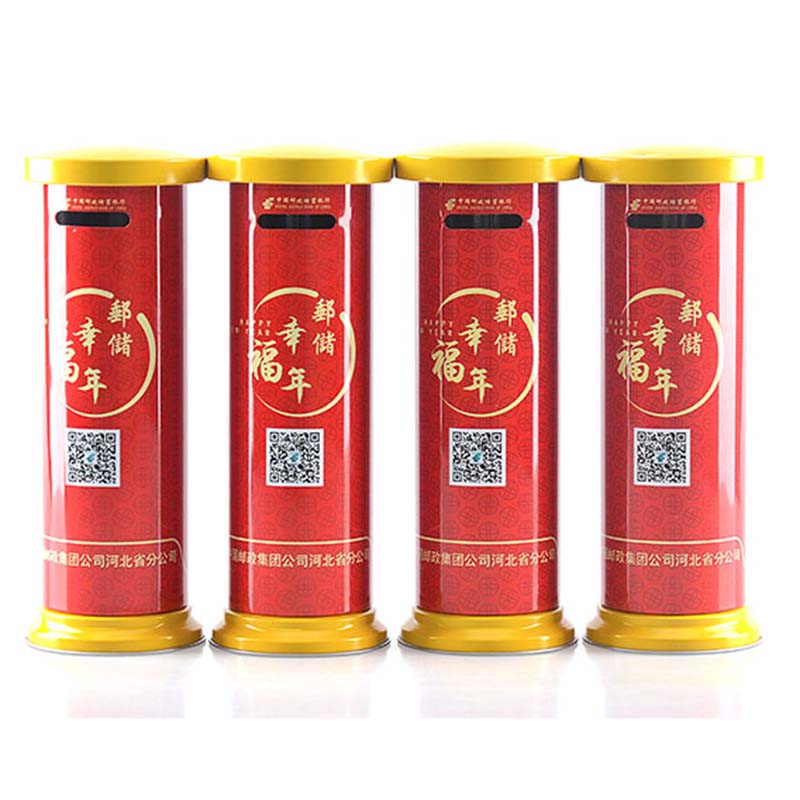
Qualité durable et peut être utilisé à plusieurs reprises.Sécurisez vos économies et protégez votre argent contre le vol.Une gamme variée de tailles et de styles vous aide à découvrir celui qui correspond à vos besoins.Utilisé comme cadeaux pour les enfants et les amis, et excellent moyen de promotion de marque commerciale.Fournisseur direct d'usine fiable, de haute qualité à un prix compétitif.
EN SAVOIR PLUS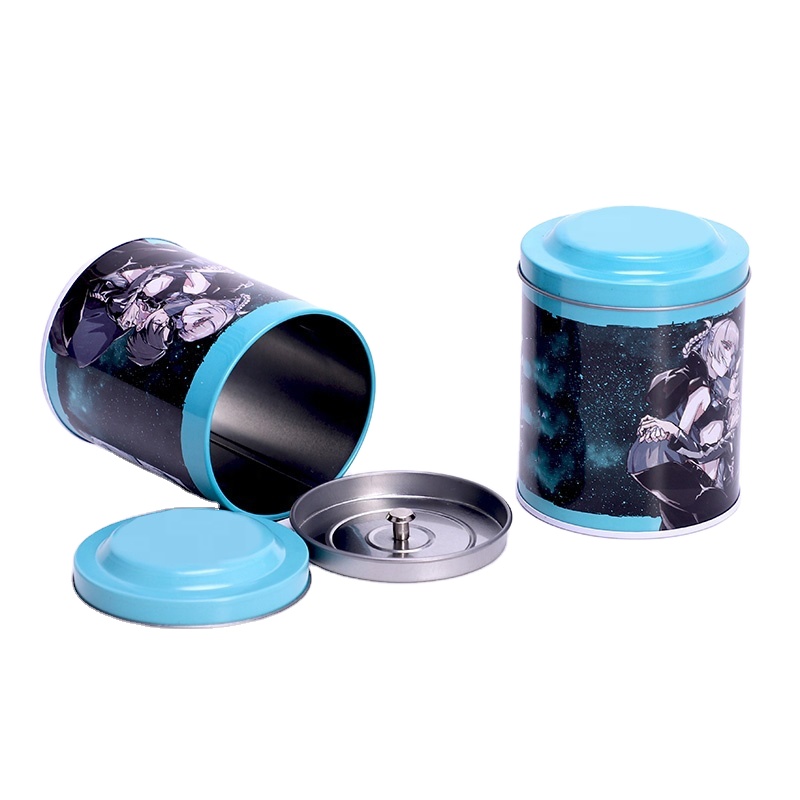
Durable et polyvalent pour diverses applications.Garantit une fermeture hermétique, préservant la saveur et l'arôme du thé.Disponible dans une large gamme de tailles et de styles, il est facile de trouver celui qui répond à vos besoins.Utilisé pour stocker une variété d’articles, notamment des épices, des herbes et des thés en feuilles.Extrêmement robuste, offrant une protection à votre thé de l'humidité, de la lumière et de l'air.
EN SAVOIR PLUS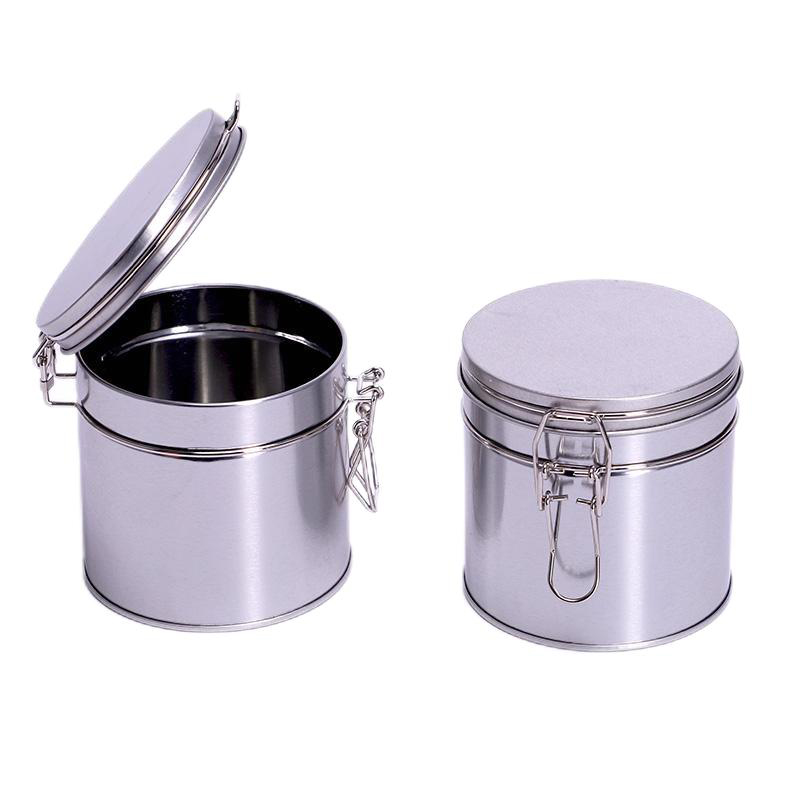
Choisissez parmi une gamme de solutions d’emballage de boîtes de café.Des processus avancés garantissent une bonne étanchéité et un stockage à long terme de vos grains de café.Lipton, Twinings et Tetley font partie des marques de thé célèbres qui sont nos clients fidèles.Le fer blanc de qualité alimentaire approuvé par la FDA garantit la sécurité absolue de votre emballage de café.Panton professionnel et équipement d'impression 4 couleurs garantissent une présentation de haute qualité des boîtes en fer blanc.
EN SAVOIR PLUS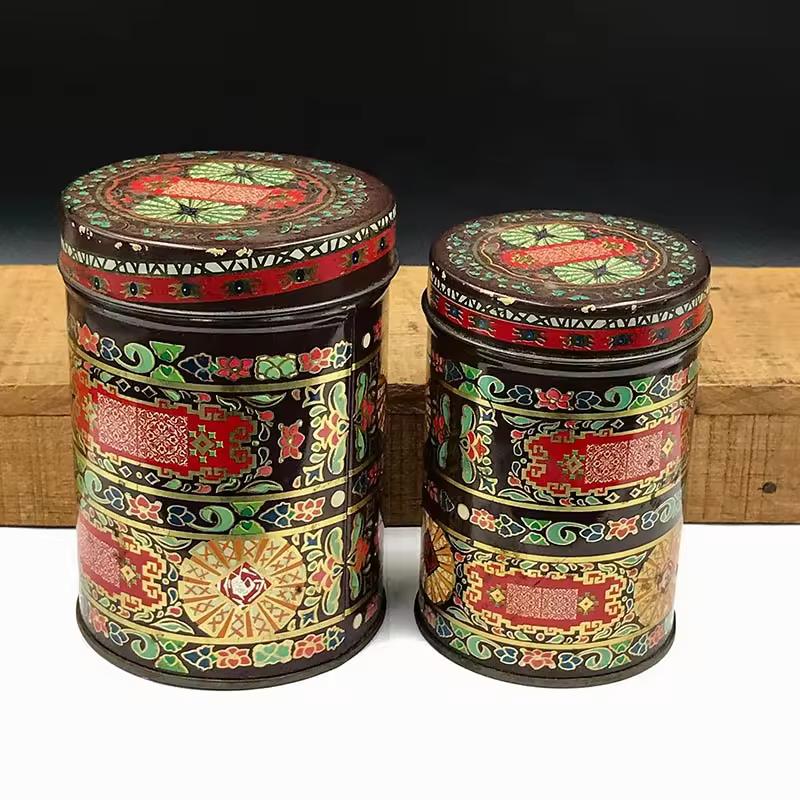
Quel que soit le type de solution d’emballage de canettes de thé dont vous avez besoin, nous vous proposons l’option qui vous convient.Grâce à un processus plus professionnel, votre boîte à thé obtient une excellente étanchéité et une durée de conservation plus longue.Parmi les partenaires bien connus figurent des marques de premier plan telles que Lipton, Twinings & Tetley.Les récipients à thé sont fabriqués à partir de fer blanc de qualité alimentaire approuvé par la FDA et sont dotés d'un couvercle cannelé pour garantir que le thé reste frais.Avec une équipe de designers hautement qualifiés et une technologie d’impression de pointe, nous garantissons la meilleure présentation des boîtes de conserve d’emballage de thé.
EN SAVOIR PLUS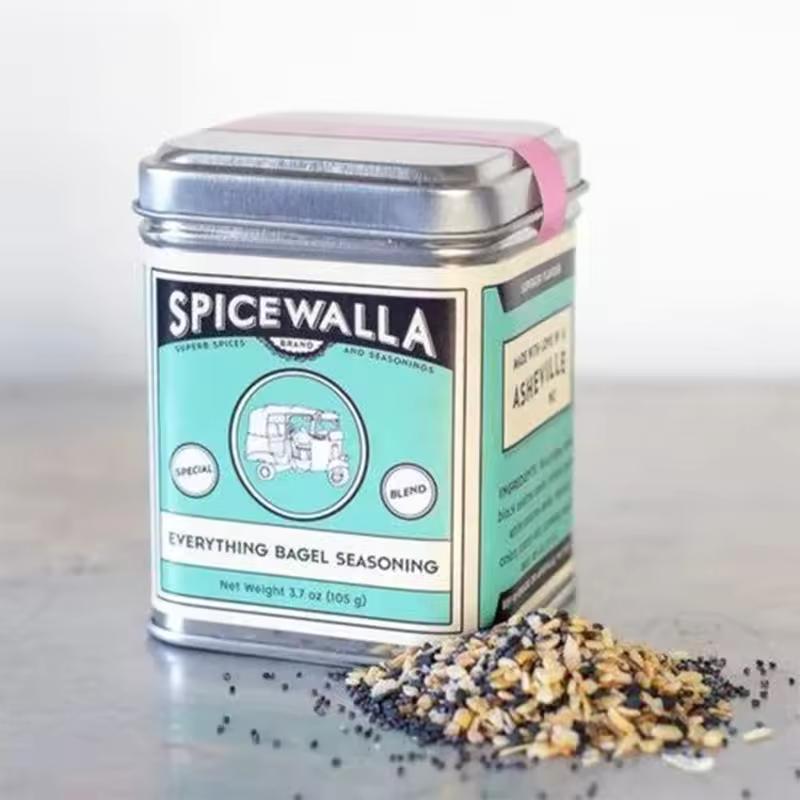
Établi avec plus de 1000 ensembles de moules pour boîtes de thé de différentes tailles et formes, offrant un certain nombre de solutions d'emballageAidez à augmenter les ventes et donnez à vos produits de thé une apparence plus professionnelle.Lipton, Twinings et Tetley, marques de thé bien connues, restent nos fidèles clients.Les boîtes à thé sont en fer blanc de qualité alimentaire approuvé par la FDA avec des couvercles rainurés pour garantir que le thé reste frais.Avec un équipement d'impression professionnel Pantone et 4 couleurs, le design de la boîte à thé est lumineux et ne se décolore pas pendant longtemps.
EN SAVOIR PLUS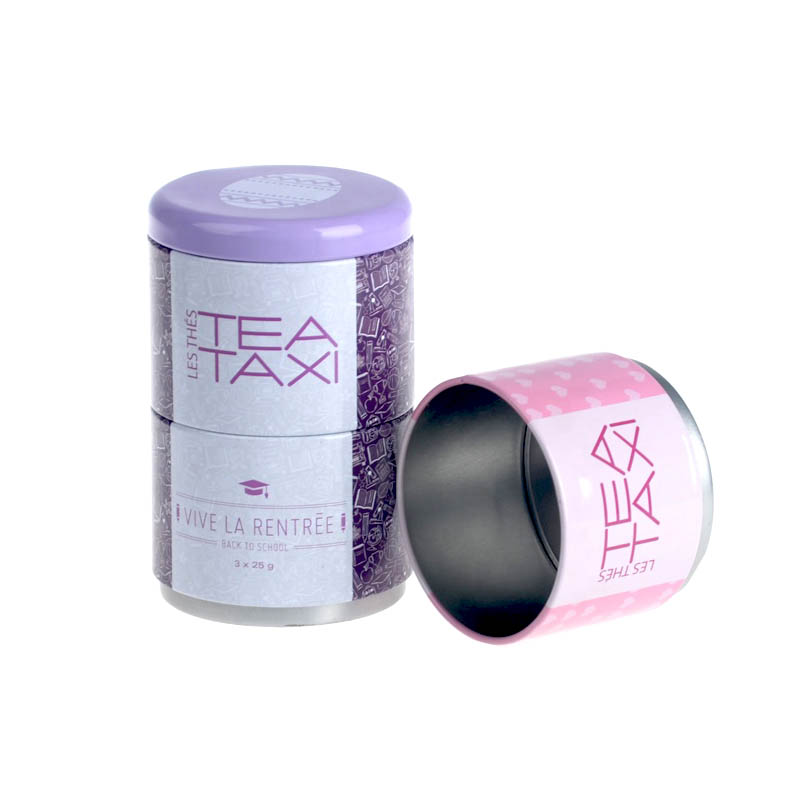
Fabriqué avec des matériaux respectueux de l'environnement et meilleurs pour l'environnement.Personnalisé avec votre propre design ou logo, ce qui peut les rendre uniques.Fabriqué à partir de matériaux robustes de qualité alimentaire conçus pour durer des années.Couvercle hermétique qui garantit que votre thé reste frais et savoureux.Variété de tailles, afin que vous puissiez trouver celle qui répond parfaitement à vos besoins.
EN SAVOIR PLUS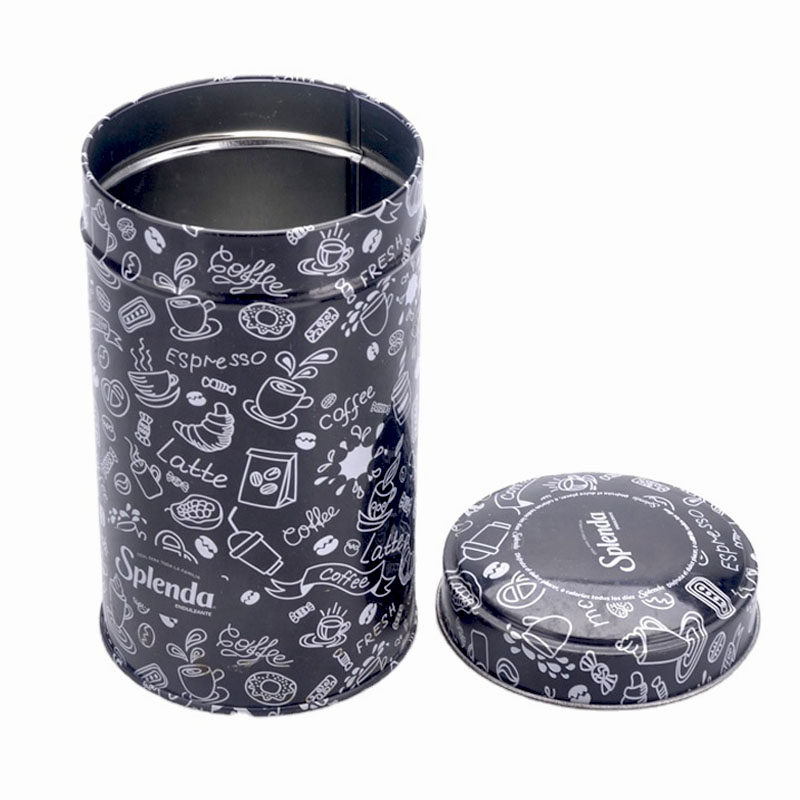
Vous pouvez choisir parmi notre large gamme d’options d’emballage de canettes de thé en fonction de vos besoins.Des processus avancés peuvent garantir que votre thé est correctement scellé et conservé pendant une période prolongée.Conçu avec un joint hermétique pour garder votre thé frais et savoureux.Variété de tailles pour accueillir n'importe quelle quantité de thé.Couvercle hermétique qui garantit que votre thé reste frais et savoureux.
EN SAVOIR PLUS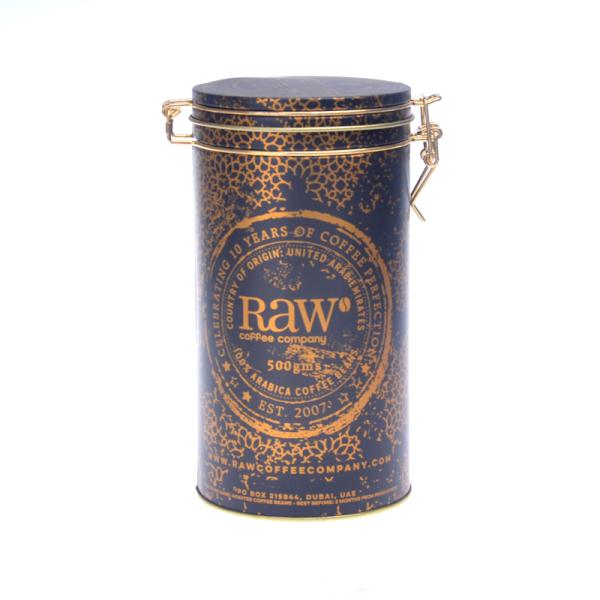
Nous vous proposons une variété de solutions d’emballage de boîtes de café parmi lesquelles choisir.Des processus avancés peuvent apporter à vos grains de café une bonne étanchéité et un stockage de longue durée.Lipton, Twinings et Tetley, ces célèbres marques de thé sont nos fidèles clients.Le fer blanc de qualité alimentaire approuvé par la FDA peut garantir la sécurité absolue de votre emballage de café.Le panton professionnel et les équipements d'impression 4 couleurs assurent une présentation de haute qualité des boîtes en fer blanc.
EN SAVOIR PLUS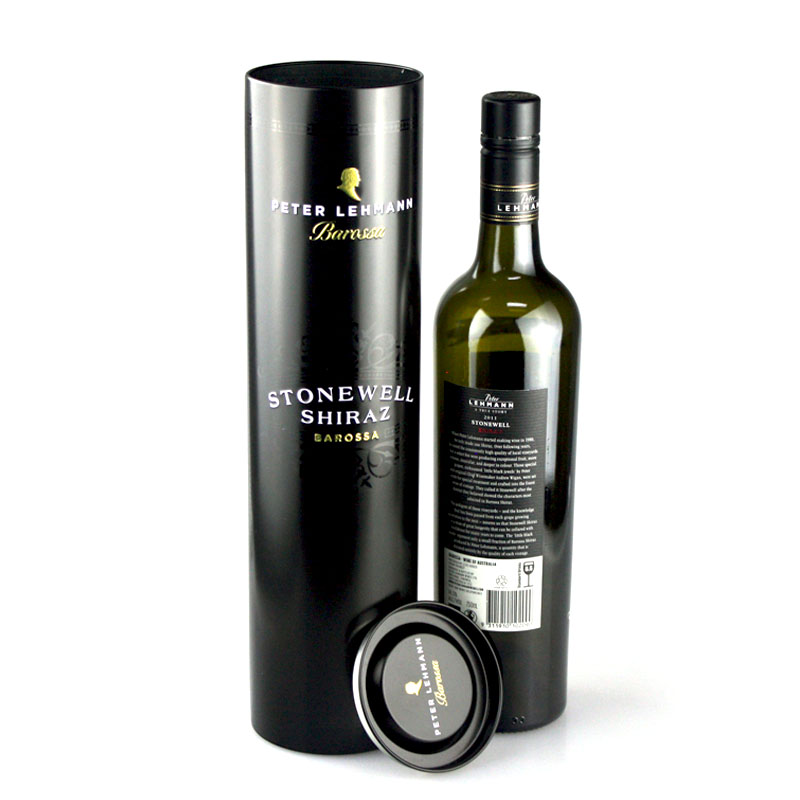
Durable et capable d’être utilisé à plusieurs reprises. Hermétique et durable qui aide à préserver la saveur et la protection de la bouteille de vin. Avec une large gamme de tailles et de styles disponibles, il est facile de trouver la solution idéale pour vos besoins. Idéal pour stocker divers articles comme des épices, des herbes et des thés en feuilles. Extrêmement robuste, offrant une excellente protection à votre vin contre l'humidité, la lumière et l'air.
EN SAVOIR PLUS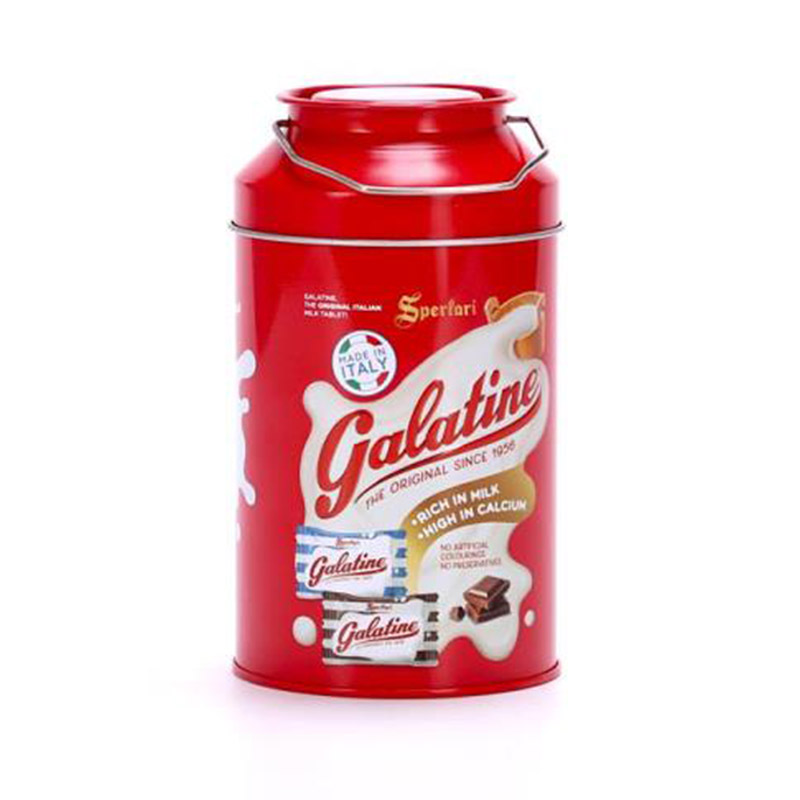
Robuste et peut être utilisé plusieurs fois.Hermétique, maintient et préserve la saveur et l'arôme du thé.Variété de tailles et de designs, il est facile de trouver une boîte qui répond parfaitement à vos besoins.Polyvalent et peut être utilisé pour stocker une variété d'articles, notamment des épices, des herbes et d'autres thés en feuilles.Durable et offre une excellente protection à votre thé, le protégeant de l'humidité, de la lumière et de l'air.
EN SAVOIR PLUSObtenez les dernières informations et offres spéciales


 Réseau IPv6 pris en charge
 Français
 English
 Deutsch
 Español
 Português