
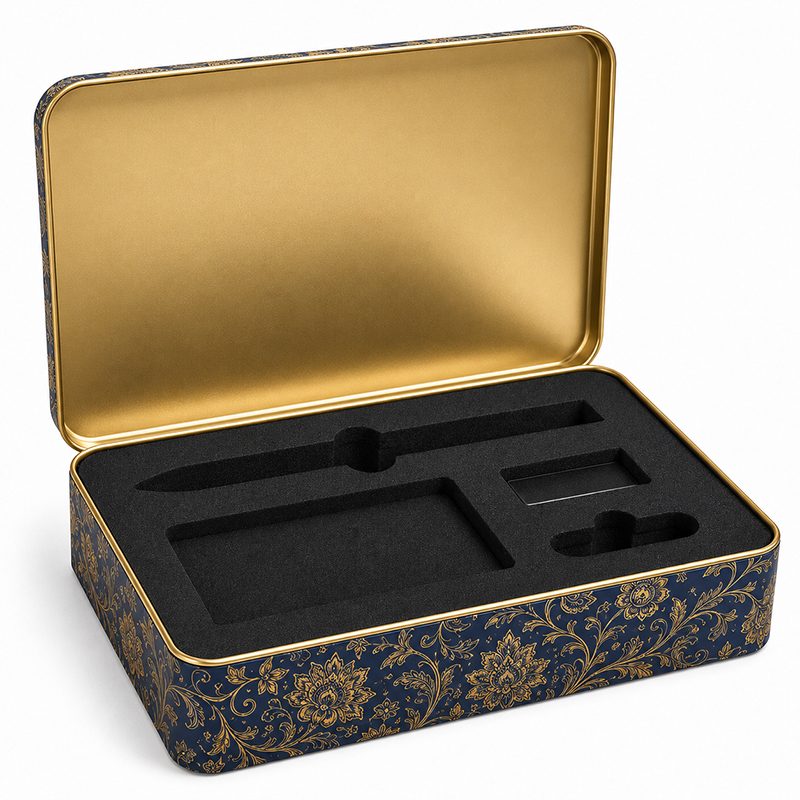
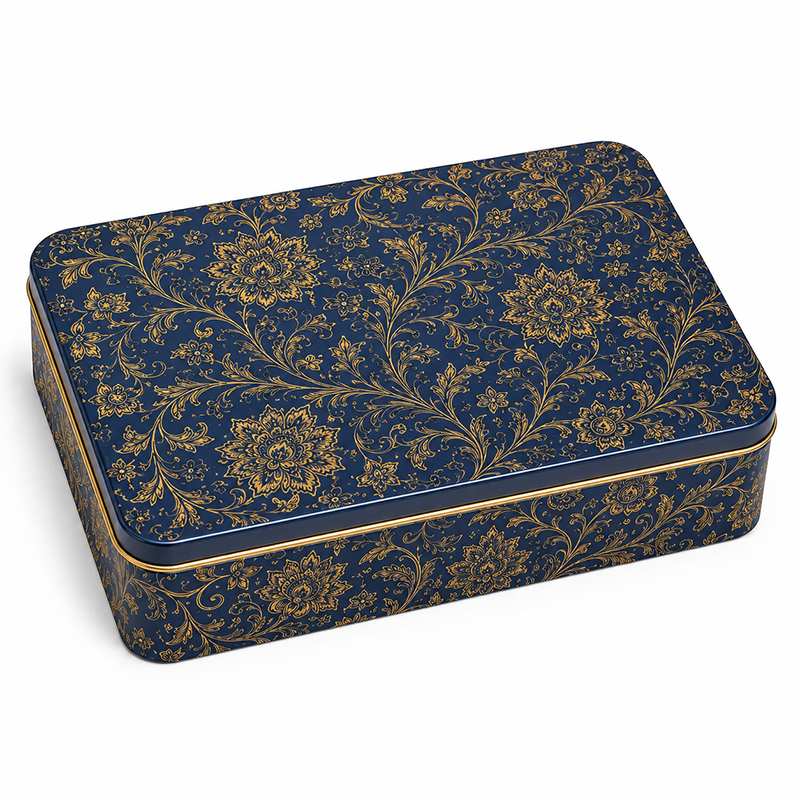
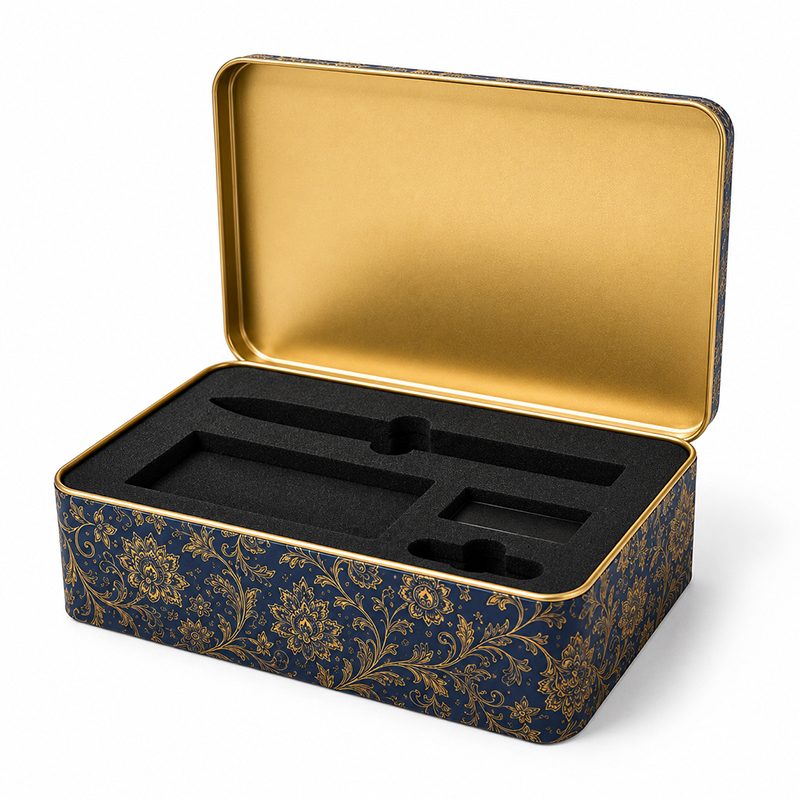
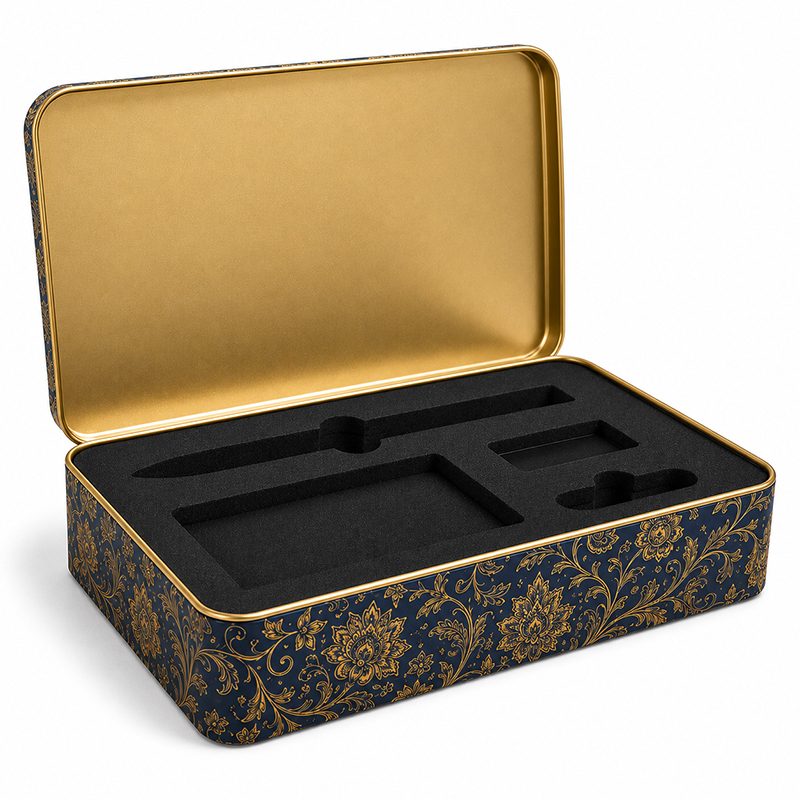
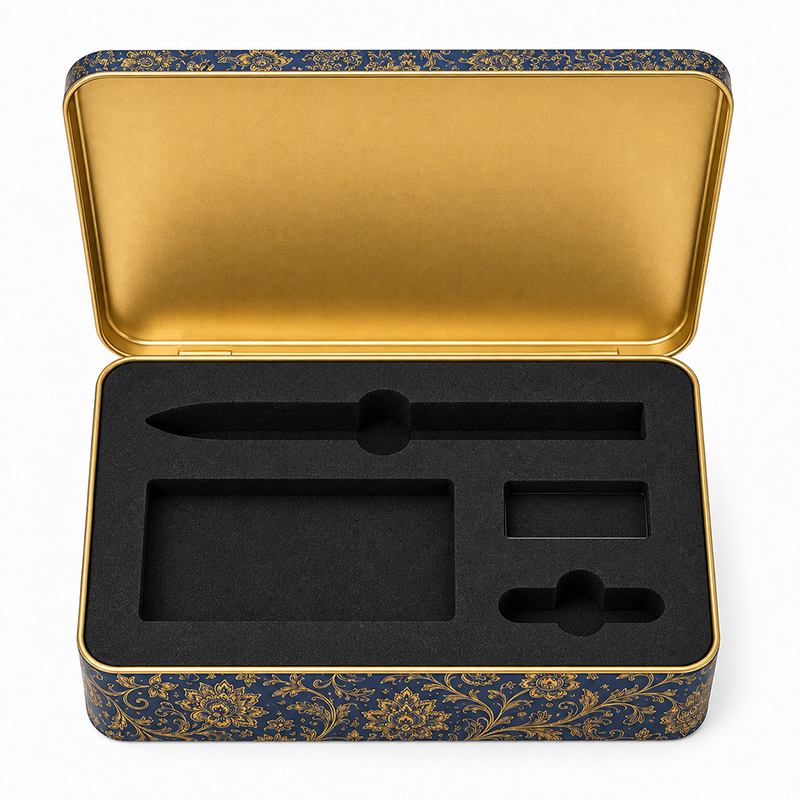
The custom presentation tin boxes with EVA foam inserts are developed for brands, importers, promotional product companies, electronics suppliers, tool manufacturers and gift-set buyers that need both reusable metal packaging and a precisely fitted internal presentation system. The outer tin can be fully customised with printed artwork, brand colours, metallic effects and decorative finishes. Inside, a die-cut EVA foam insert is produced around the actual products rather than using a generic compartment layout. This allows pens, electronic accessories, tools, cards, USB drives, jewellery, promotional items and multi-piece sets to remain organised during transport and retail display.
Product Name :
Tin Box with EVA Foam InsertDimensions :
L290*W210*H165mmShape :
Rectangular, CustomizableDesign :
Customizable, ODM / OEMPrinting :
CMYK, Pantone and selected metallic effectsSurface Finish :
Matte, gloss, metallic effects, embossing or debossingMaterial :
0.23 mm Food-Grade TinplateMOQ :
5,000 pcsLead Time :
35 DaysPackaging :
Opp Bag + Master Carton
For this type of packaging, the insert should normally be confirmed before the final tin depth is approved. If the metal box is selected first and the foam is added afterwards, there may not be enough space for the required foam thickness, finger access or lid clearance.
We therefore begin with the products that will be placed inside the box.
Typical information required includes:
Once these details are confirmed, the cavity layout can be developed before the final custom foam insert tin box dimensions are fixed.
EVA is commonly selected for presentation packaging because it can be cut into clean, controlled shapes and offers a more refined appearance than loose packing material.
A properly designed insert can:
The foam does not need to follow a simple rectangular layout. Long slots, circular cavities, irregular outlines and several different compartment depths can be combined in the same insert.
A metal presentation box with foam insert is particularly useful when several components need to be sold together but should not touch each other inside the package.
For example, one insert may include:
The result is more organised than placing several items loosely inside a standard tin and can help the complete set feel more valuable at the point of presentation.
The combination of a reusable metal shell and a fitted EVA insert works across a wide range of non-food products.
| Product Type | Typical Insert Requirement | Why a Presentation Tin Works |
| Pens and writing sets | Long precision-cut slots with finger notches | Keeps multiple writing instruments aligned and ready for gifting |
| USB drives and electronics | Small fitted cavities with accessory compartments | Separates the device, cable, adapter and information card |
| Small tools | Deep cavities shaped around individual components | Reduces movement and provides a reusable storage case |
| Jewellery and accessories | Soft or laminated foam with compact cavities | Improves presentation while preventing pieces from moving together |
| Promotional gift sets | Mixed-size cavities for several branded items | Combines several promotional products in one coordinated package |
| Collectibles and commemorative items | Custom-shaped recess with controlled depth | Turns the outer tin into part of the long-term storage package |
The correct foam specification depends on the weight, shape and surface of the packed item. A lightweight promotional product does not necessarily require the same insert construction as a metal tool or electronic device.
Several details can be adjusted during development:
Black EVA is one of the most frequently used options because it creates a neutral background for a wide range of products and works well with premium printed metal packaging.
The cavity should normally hold the product securely without requiring excessive force to remove it. If the fit is too tight, customers may damage the product or foam when taking the item out. If it is too loose, the presentation benefit of the fitted insert is lost.
The total internal height should include more than the thickness of the product itself.
We normally consider:
A product that sits too high may press against the lid, while a cavity that is too deep can make the product difficult to remove. This is why insert testing is an important part of sample approval.
The metal tin itself can be developed as a strong visual part of the presentation rather than acting as a plain outer case.
Buyers can customise:
For a premium presentation programme, an ornate printed lid and side-wall pattern can be combined with a simpler interior. For example, the exterior may use deep navy printing with detailed gold decorative artwork, while the inside of the lid remains completely plain with a gold metal finish.
This contrast keeps the outside visually rich while preventing the interior from competing with the products displayed in the black EVA insert.
For the design shown on this product, the inside of the lid is intentionally left without printed artwork.
A plain gold interior offers several advantages:
Silver or clear-lacquer interiors can also be considered depending on the selected tinplate and design.
A presentation tin box can be developed with different lid structures depending on how the finished package will be used.
A removable lid offers a clean construction and can be practical for storage. A hinged lid remains connected to the body and may be preferable when the package will be opened frequently or displayed as a complete presentation case.
The final structure should be selected before the EVA insert is approved because the hinge, lid depth and internal rolled edges can change the usable space inside the box.
One common mistake is sourcing the tin and foam insert separately without confirming the production tolerances of both components.
The metal tin is a formed product, so small dimensional tolerances are normal. EVA inserts must therefore be designed with sufficient allowance to fit into the production tin without buckling, lifting at the corners or becoming too loose.
During development we check:
We normally recommend checking existing rectangular and square moulds before developing a new metal structure. The EVA insert offers considerable flexibility because the cavity layout can be changed without changing the outer tin.
For example, the same presentation tin mould could be used for:
Only the EVA insert and printed artwork need to change.
This can make an existing tin mould commercially attractive for brands developing several product programmes around the same packaging size.
For a more accurate quotation, buyers should provide as much product information as possible at the beginning of the project.
If the final product samples can be supplied during development, the EVA cavities can be checked directly against the physical items before mass production.
Yes. The cavity can be developed according to product dimensions, drawings or physical samples. Rectangular, round and irregular product outlines can all be considered.
Yes. One EVA insert can include several cavities with different shapes and depths for a complete presentation or promotional set.
Yes. Finger-access notches can be positioned beside selected cavities so customers can remove products more easily.
No. The inside can remain plain gold, silver or clear-coated. For this product design, a plain gold lid interior is recommended to create contrast with the black EVA insert.
Yes. The lid and side walls can use full-colour illustrations, repeating patterns, decorative borders, metallic effects and brand graphics.
Yes. This is one of the main advantages of this packaging system. One existing metal tin mould can support different product sets by changing the foam insert layout.
No. The EVA insert helps position and cushion products but does not make the metal tin airtight or waterproof.
The standard MOQ is 5,000 pieces per design. Special foam specifications, multiple designs or new tooling may affect the final requirement.
Sample development normally takes approximately 7–10 days, while mass production generally requires around 25–35 days after the tin structure, artwork and EVA insert have been approved.
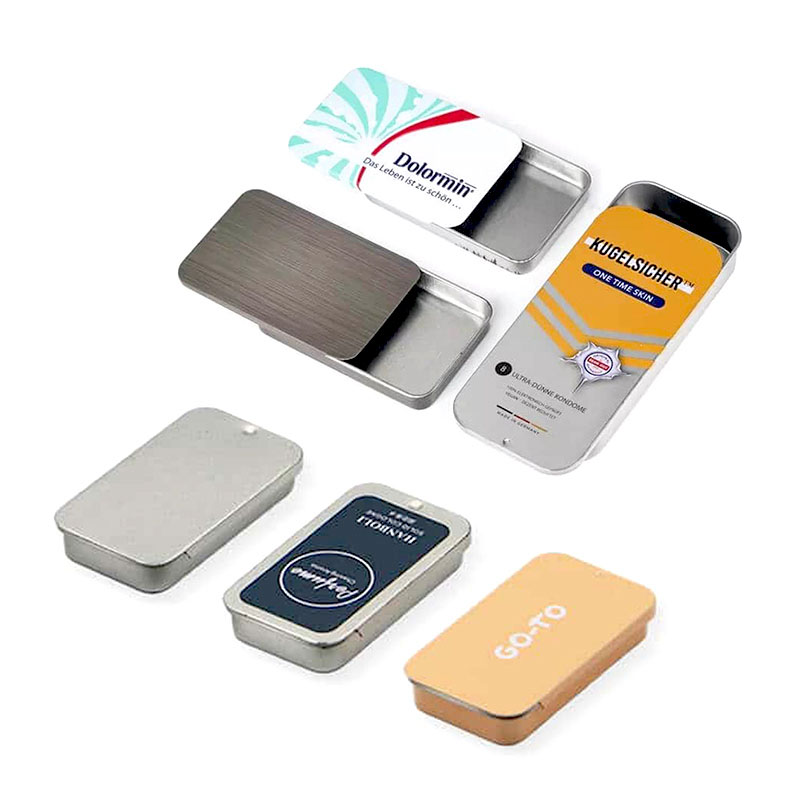
Solide et durable, offrant une excellente protection à vos produits.Peuvent être personnalisés avec votre marque, ce qui en fait un outil promotionnel idéal.Visuellement attrayants, ce qui les rend attrayants pour les clients.Faciles à étiqueter, ce qui les rend idéaux pour l'identification des produits.Recyclables, ce qui en fait une option d’emballage respectueuse de l’environnement.
EN SAVOIR PLUS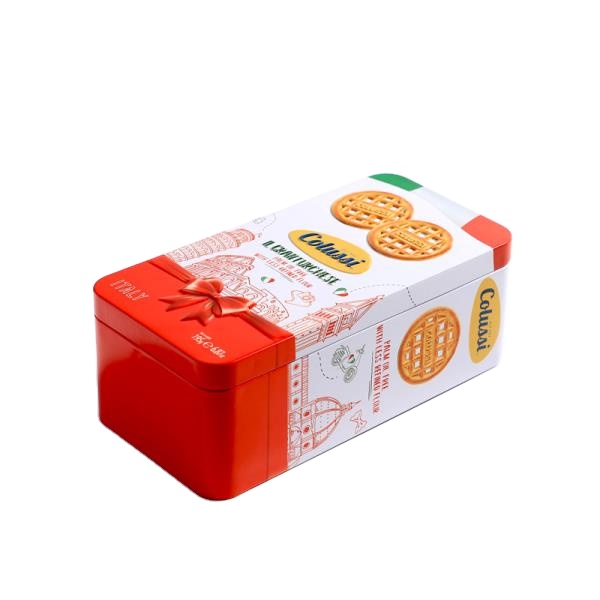
Nous proposons une option adaptée à vos besoins en matière d'emballage de cookies, quel que soit le type d'emballage. Des techniques sophistiquées peuvent assurer une étanchéité efficace et permettre un stockage prolongé de vos cookies. Nos clients fidèles comprennent des marques de biscuits renommées telles que Oreo, Keebler, Chips Ahoy, Pepperidge Farm. Fer blanc de première qualité en contact direct avec les aliments, vos emballages de biscuits peuvent être garantis absolument sûrs. L'utilisation de machines d'impression professionnelles Pantone et 4 couleurs garantit des présentations en boîte en fer blanc de qualité supérieure.
EN SAVOIR PLUS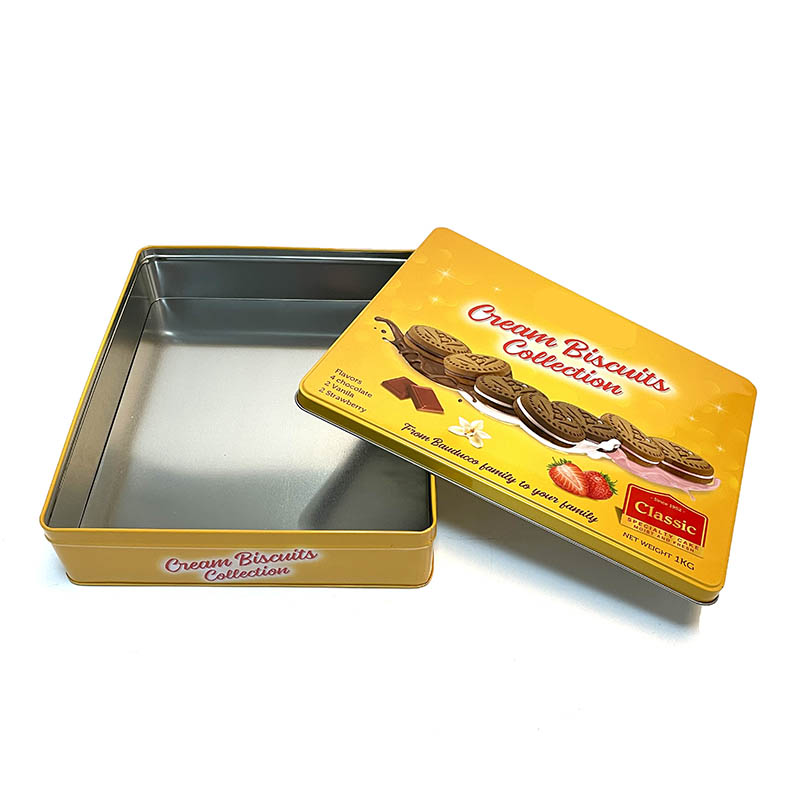
Nos options d'emballage de cookies sont conçues pour fonctionner avec tout type d'emballage dont vous avez besoin.Des techniques de scellement sophistiquées peuvent préserver la fraîcheur de vos cookies et permettre un stockage plus long.Au-delà du stockage des biscuits, les boîtes à biscuits peuvent être utilisées à diverses fins, comme conserver des fruits secs et des noix.L'emballage en boîte à biscuits est un choix hygiénique pour l'emballage alimentaire car il peut être facilement nettoyé et désinfecté.Les boîtes à biscuits sont disponibles dans une large gamme de tailles et de formes pour répondre à vos préférences.
EN SAVOIR PLUS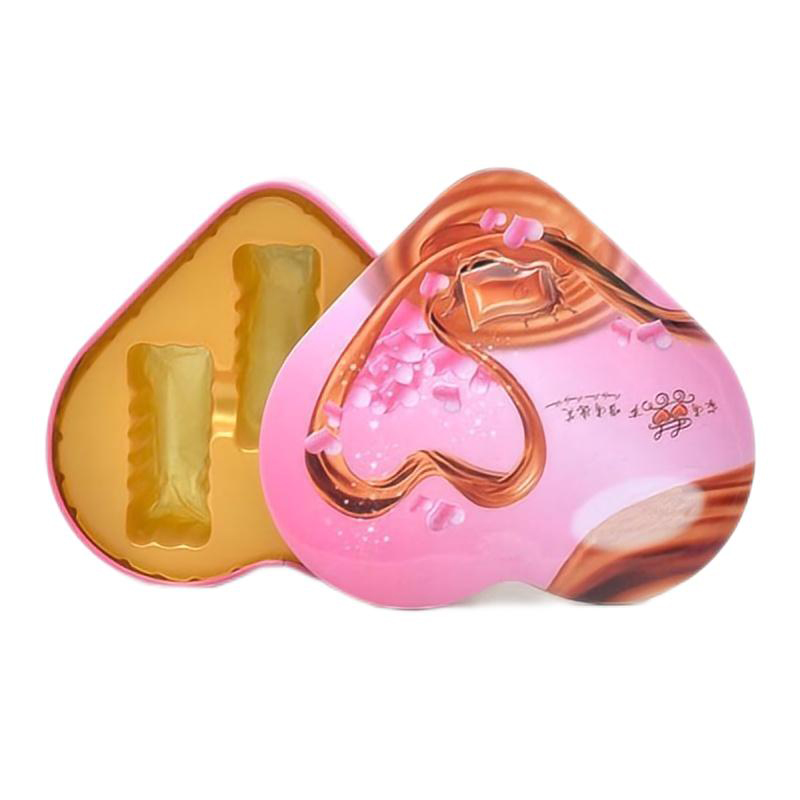
Nous proposons des options d’emballage de bonbons adaptées à tous les types de configurations d’emballage.Grâce à un joint hermétique, les boîtes de bonbons conservent leur fraîcheur pendant une période prolongée.Les motifs lumineux et audacieux des boîtes de bonbons les rendent facilement identifiables.La nature durable des boîtes de bonbons en fait une solution d’emballage rentable.Les boîtes de bonbons sont fabriquées avec un matériau robuste qui empêche la casse ou l'écrasement.
EN SAVOIR PLUS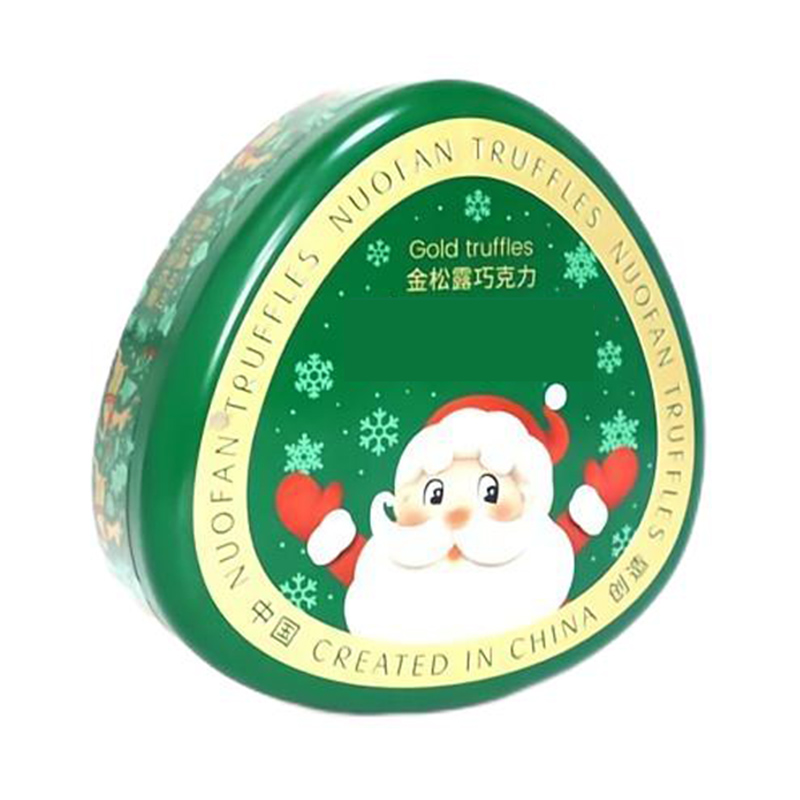
Nos options d'emballage de bonbons sont conçues pour s'adapter à tout arrangement d'emballage de bonbons.Le joint hermétique des boîtes de bonbons aide à préserver la fraîcheur pendant une durée prolongée.Les designs vibrants et audacieux des boîtes à bonbons garantissent une reconnaissance facile.La robustesse et la résistance des boîtes de bonbons en font un choix d'emballage rentable.Le matériau robuste des boîtes à bonbons offre une protection fiable contre la casse ou l'écrasement.
EN SAVOIR PLUS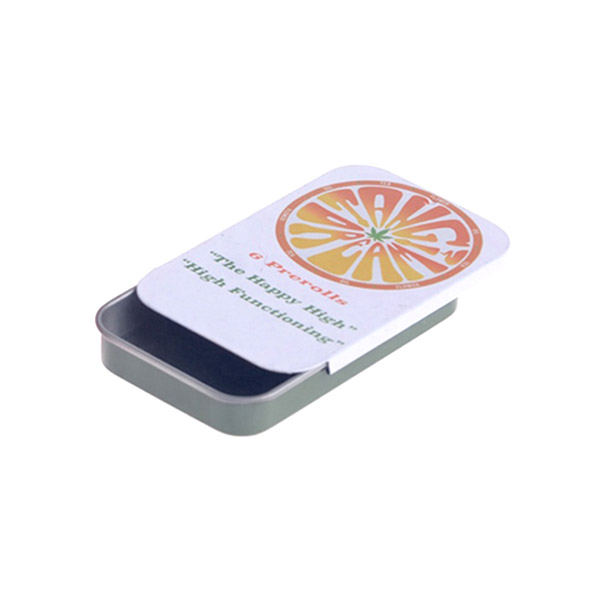
Boîte en fer blanc à glissière, taille: 80 * 50 * 20 mm, fabriquée en fer blanc de 0,23 mm d'épaisseur, Impression CMJN 4 couleurs ou panton, nous prenons en charge toute personnalisation.
EN SAVOIR PLUS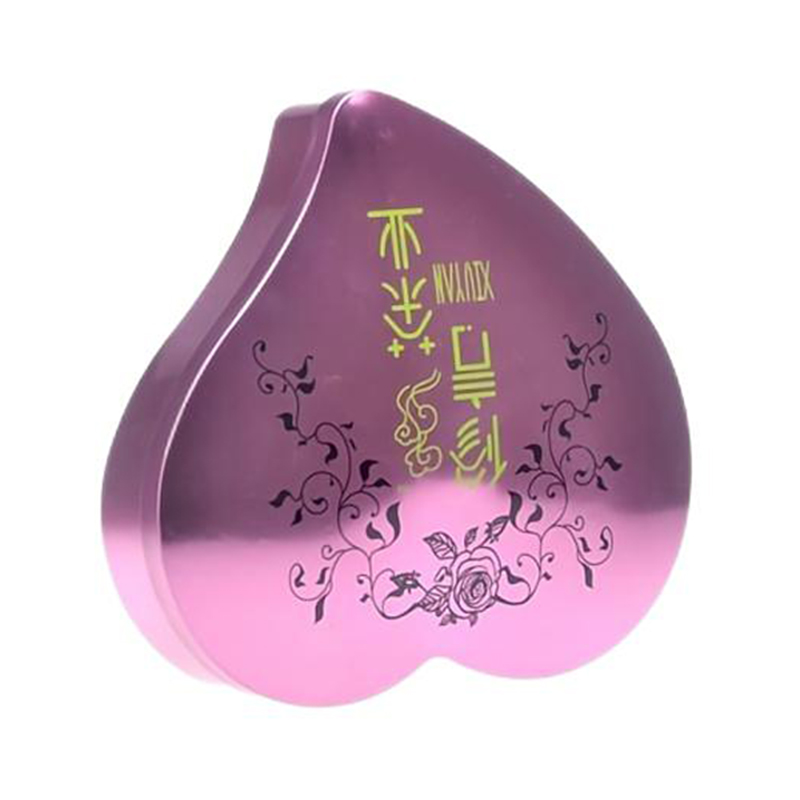
Nos options d'emballage de bonbons conviennent à tous les types de configurations d'emballage.Les boîtes de bonbons avec un joint hermétique gardent les bonbons frais pendant une période prolongée.Les motifs lumineux et audacieux des boîtes à bonbons les rendent facilement reconnaissables.La durabilité des boîtes de bonbons en fait une solution d'emballage rentable.Les boîtes de bonbons sont fabriquées avec des matériaux robustes qui les protègent de la casse ou de l'écrasement.
EN SAVOIR PLUS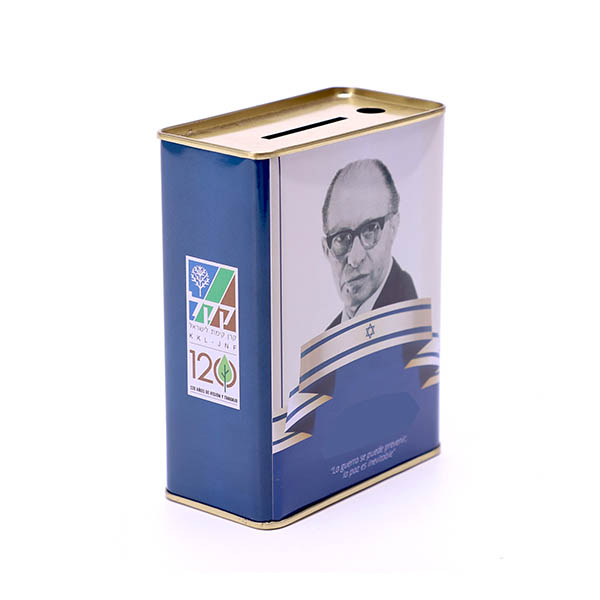
Qualité durable et peut être utilisé à plusieurs reprises.Sécurisez vos économies et protégez votre argent contre le vol.Une gamme variée de tailles et de styles vous aide à découvrir celui qui correspond à vos besoins.Utilisé comme cadeaux pour les enfants et les amis, et excellent moyen de promotion de marque commerciale.Fournisseur direct d'usine fiable, de haute qualité à un prix compétitif.
EN SAVOIR PLUS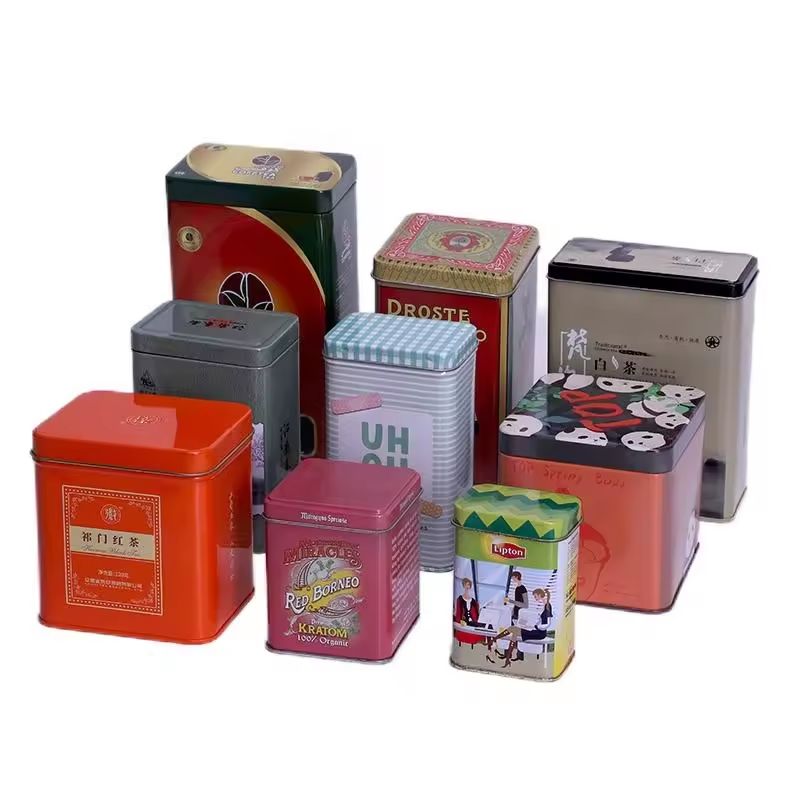
Découvrez nos boîtes à thé haut de gamme, conçues pour garder votre thé frais et savoureux. Avec des tailles et des designs personnalisables, ces boîtes de haute qualité allient fonctionnalité et élégance, idéales aussi bien pour les amateurs de thé que pour les marques.
EN SAVOIR PLUS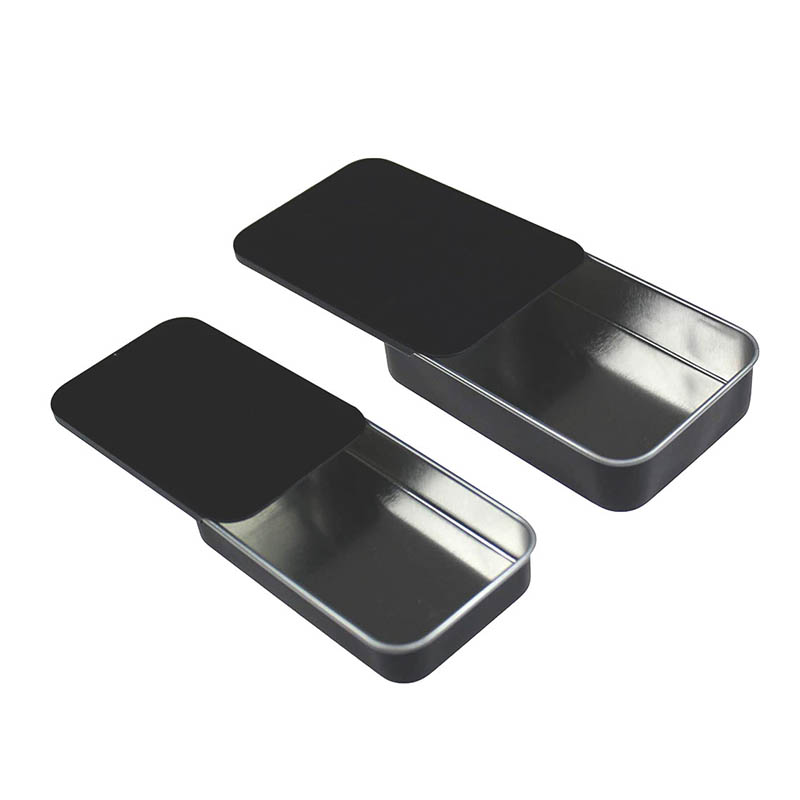
Visuellement attrayants, ce qui les rend attrayants pour les clients.Facile à empiler, ce qui les rend peu encombrants.Résistants à l'humidité, ce qui les rend idéaux pour conserver des produits alimentaires.Non toxiques, ce qui les rend sans danger pour les produits alimentaires.Résistants à la corrosion, ils conviennent donc au stockage de produits dans des environnements humides.
EN SAVOIR PLUS
Nos options d'emballage de bonbons sont conçues pour fonctionner avec tout type de configuration d'emballage de bonbons.Le joint hermétique des boîtes de bonbons aide à préserver la fraîcheur pendant une période plus longue.Les motifs sur les boîtes à bonbons sont vibrants et audacieux, ce qui les rend facilement reconnaissables.La robustesse et la solidité des boîtes de bonbons en font une option rentable pour l'emballage.Le matériau solide des boîtes à bonbons offre une protection fiable contre la casse ou l'écrasement.
EN SAVOIR PLUS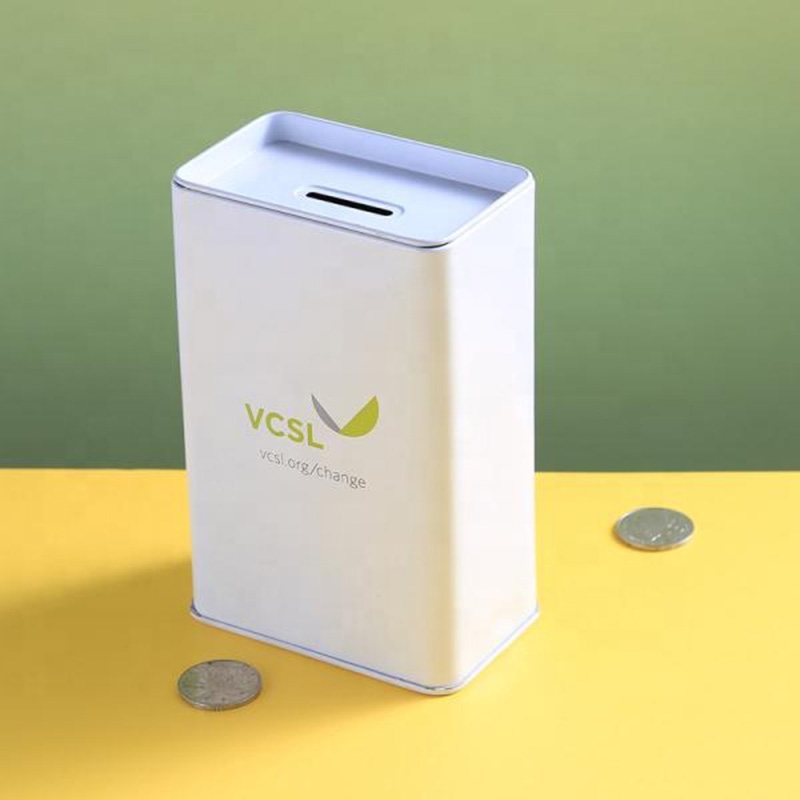
Qualité durable et peut être utilisé à plusieurs reprises.Sécurisez vos économies et protégez votre argent contre le vol.Une gamme variée de tailles et de styles vous aide à découvrir celui qui correspond à vos besoins.Utilisé comme cadeaux pour les enfants et les amis, et excellent moyen de promotion de marque commerciale.Fournisseur direct d'usine fiable, de haute qualité à un prix compétitif.
EN SAVOIR PLUS
Durable et peut être réutilisé plusieurs fois.Hermétique, ce qui permet de préserver la saveur et l'arôme du thé.Variété de tailles et de styles, ce qui facilite la recherche de celui qui répond à vos besoins.Utilisé pour stocker d'autres articles tels que des épices, des herbes et d'autres thés en feuilles.Très durable et peut protéger votre thé de la température, de la lumière et de l'air.
EN SAVOIR PLUS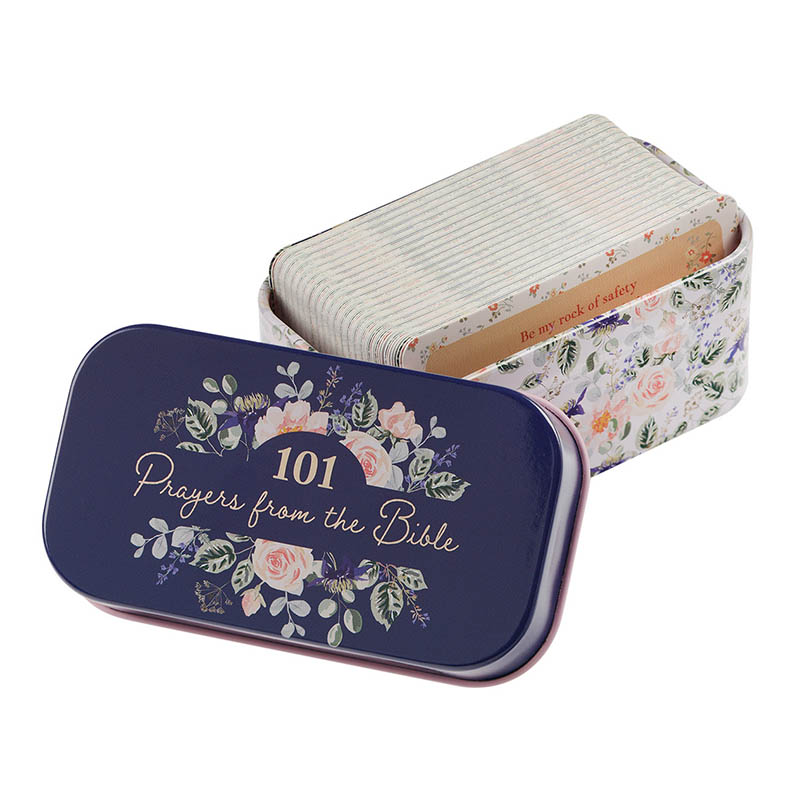
Découvrez une gamme diversifiée de solutions d’emballage en boîte métallique, englobant une gamme complète de produits.L’utilisation de processus contemporains garantit une étanchéité sécurisée et une durée de stockage prolongée.Les partenaires estimés présentent des marques de premier plan telles que Mentos, Tic Tac et Altoids.L'utilisation d'un matériau en fer blanc de première qualité garantit une étanchéité impeccable de la boîte.Bénéficiez d’une équipe de conception professionnelle, d’un équipement d’impression de pointe et d’une présentation impeccable.
EN SAVOIR PLUS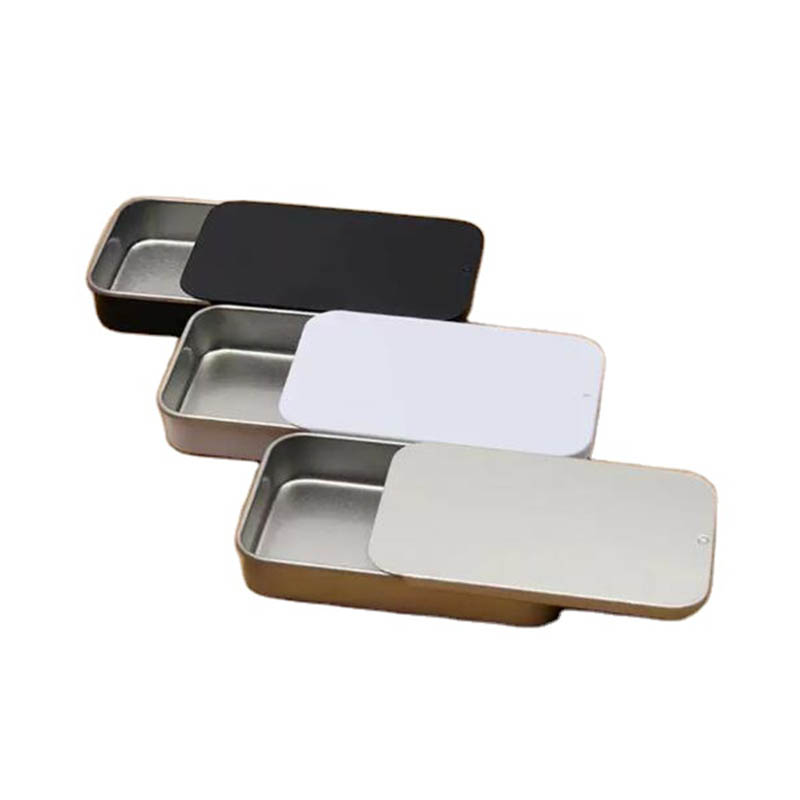
Un excellent moyen de présenter votre produit et de le démarquer de la concurrence.Solide et durable, offrant une excellente protection à vos produits.Variété de tailles et de formes, ce qui les rend adaptés à une large gamme de produits.Rentables, ce qui en fait une solution d’emballage abordable.Recyclables, ce qui en fait une option d’emballage écologique.
EN SAVOIR PLUS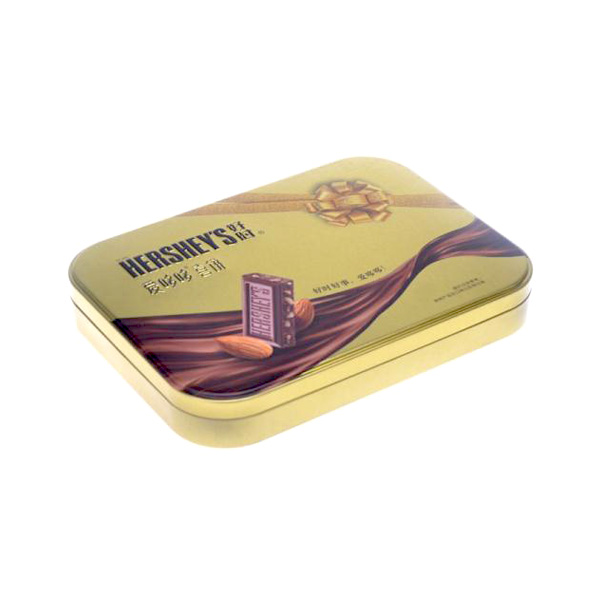
Nos options d’emballage en boîte couvrent tous les types d’emballage, garantissant que vous disposez du meilleur ajustement.Un scellement efficace et un stockage prolongé de votre chocolat peuvent être obtenus grâce à des techniques sophistiquées.Notre clientèle fidèle est composée de marques bien connues comme Oreo, Keebler, Chips Ahoy et Pepperidge Farm.Votre emballage est garanti sans danger pour le contact alimentaire grâce à l'utilisation de fer blanc de première qualité.Des machines d'impression professionnelles Pantone et 4 couleurs garantissent l'excellence des présentations en boîtes de conserve.
EN SAVOIR PLUS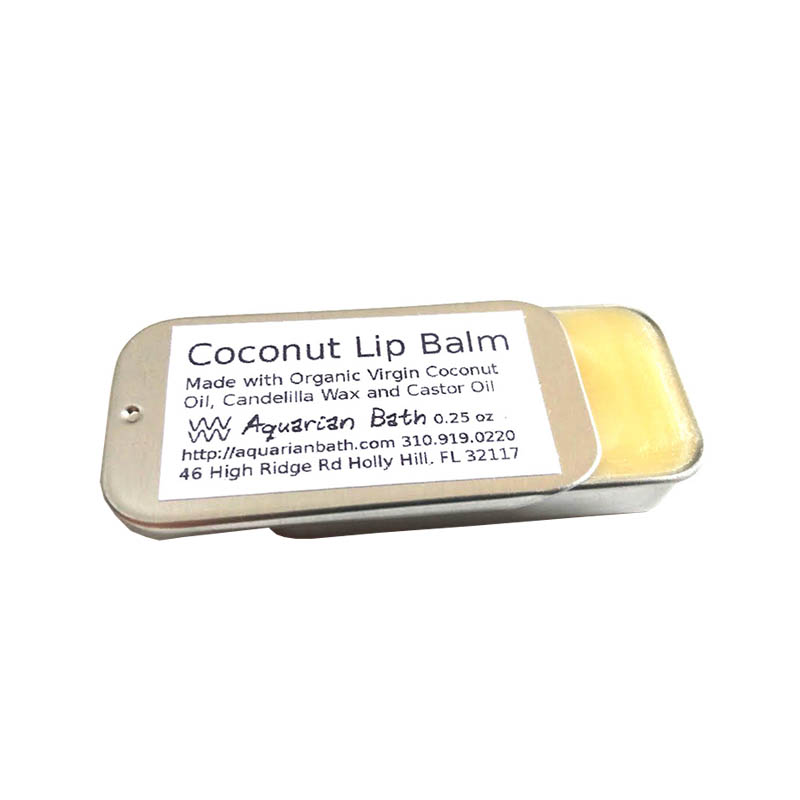
Respectueux de l'environnement, car ils sont fabriqués à partir de matériaux recyclés.Personnalisable, vous permettant de créer un look unique pour votre produit.Polyvalent, car ils peuvent être utilisés à diverses fins.Idéal à des fins promotionnelles, car ils peuvent être imprimés avec des logos ou des slogans.Solution d'emballage économique pour les entreprises.
EN SAVOIR PLUS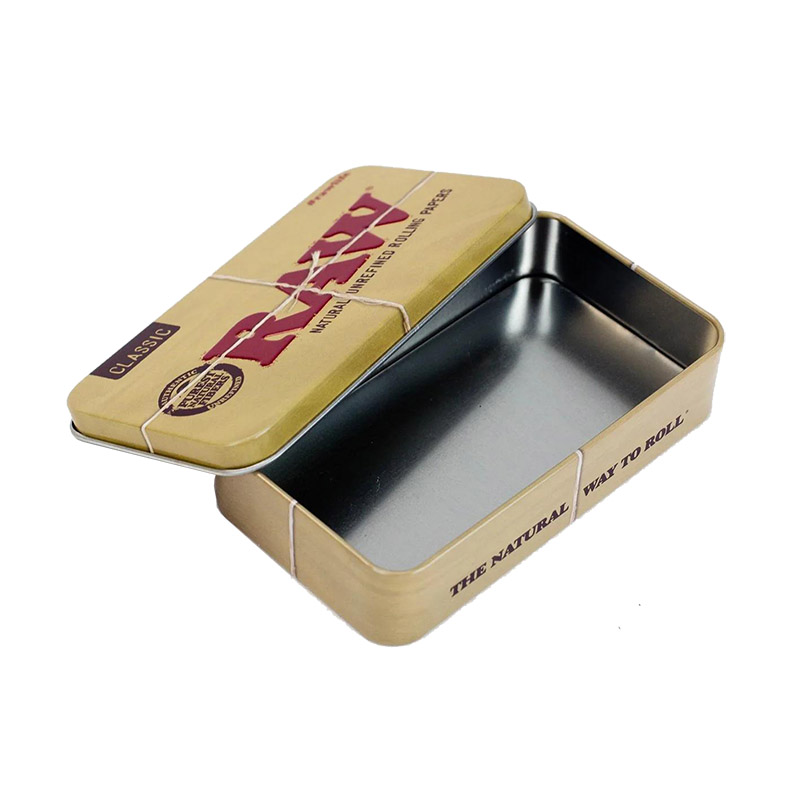
Large gamme de solutions d'emballage en fer blanc parmi lesquelles choisir, couvrant toute la gamme de produits.Le processus moderne apporte une bonne étanchéité et une longue durée de stockage.Parmi les partenaires bien connus figurent des marques de premier plan telles que Mentos, Tic Tac, Altoids.Le matériau en fer blanc de qualité supérieure garantit une étanchéité parfaite de la boîte.Équipe de conception professionnelle, équipement d'impression avancé, présentation parfaite.
EN SAVOIR PLUS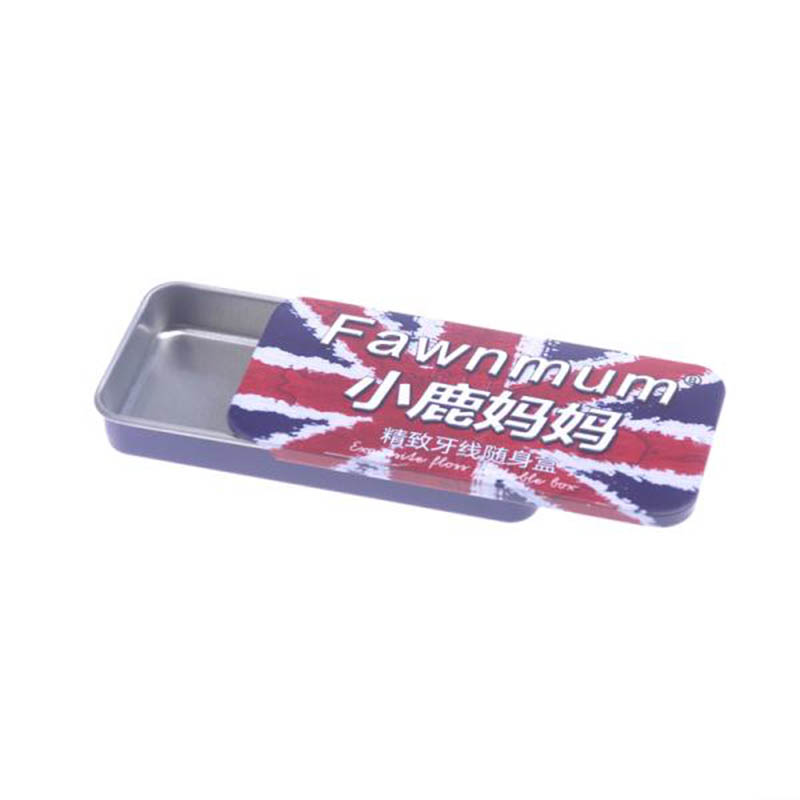
Fournissez un joint hermétique pour garder la menthe fraîche plus longtemps.Variété de tailles et de styles, ce qui facilite la recherche de celui qui répond à vos besoins.Fabriqués à partir de matériaux durables, ce qui les rend durables et résistants à la rouille et à la corrosion.Aidez à augmenter la valeur perçue de vos produits à la menthe.Une façon attrayante et accrocheuse d'oser vos produits de bonbons à la menthe.
EN SAVOIR PLUS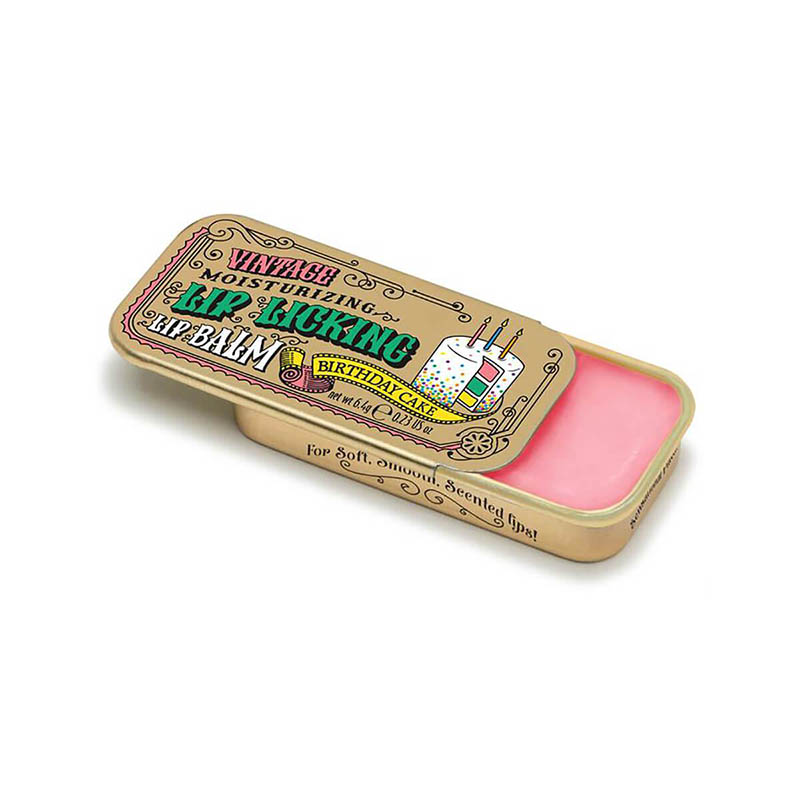
Peut être personnalisé avec des logos, des couleurs et d’autres éléments de marque.Peut être utilisé pour stocker des produits pendant de longues périodes.Relativement bon marché par rapport aux autres types d'emballage.Résistants à l'humidité, ce qui les rend idéaux pour conserver des produits alimentaires.Excellent moyen d’ajouter de la valeur aux produits et de créer une expérience client unique.
EN SAVOIR PLUS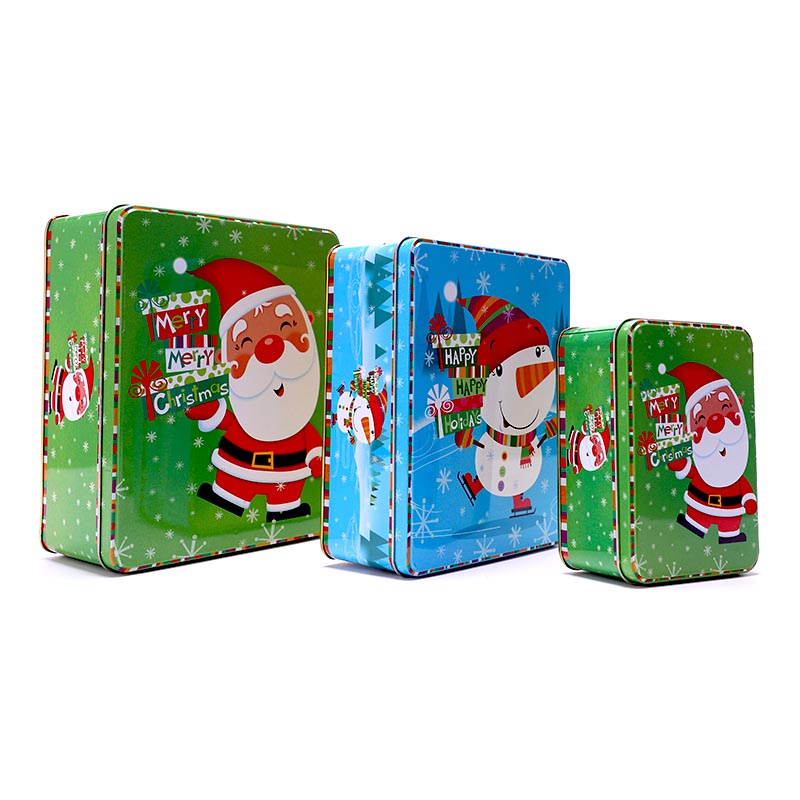
Notre sélection d'options d'emballage de cookies est conçue pour répondre à tous les types d'exigences d'emballage.Grâce à nos techniques de scellage efficaces, vous pouvez garantir que vos cadeaux restent frais et conservés plus longtemps.Oreo, Keebler, Chips Ahoy et Pepperidge Farm sont des marques de biscuits célèbres qui nous sont fidèles.Soyez assuré que nous accordons la priorité à la sécurité de vos emballages cadeaux en utilisant du fer blanc de première qualité alimentaire, garantissant ainsi le plus haut niveau de qualité.Pour garantir une qualité irréprochable dans les présentations en boîtes métalliques, nous utilisons des machines d'impression professionnelles Pantone et 4 couleurs.
EN SAVOIR PLUS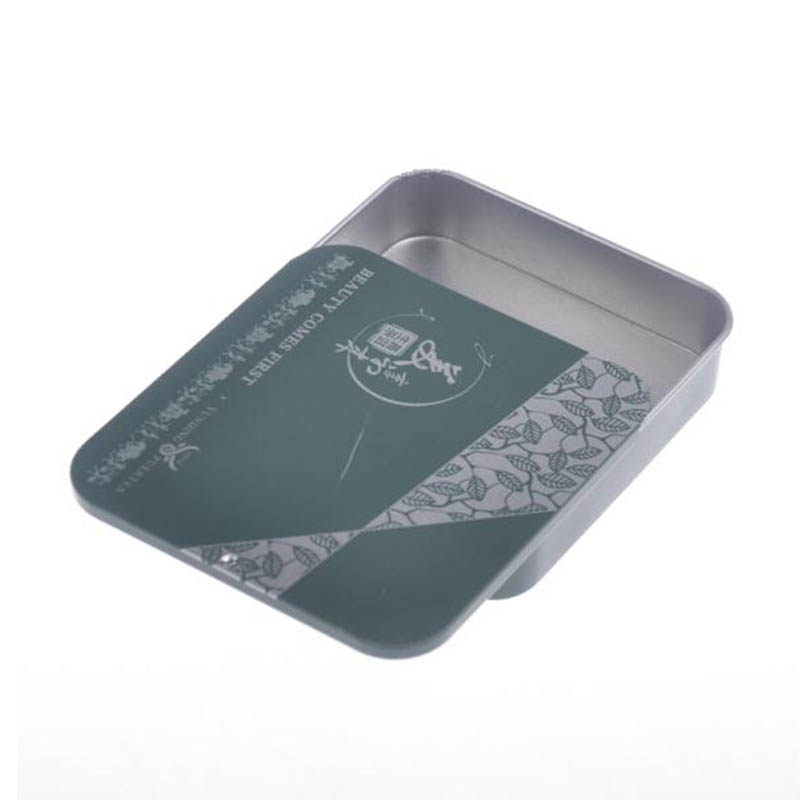
Joint hermétique pour garder votre menthe fraîche et savoureuse.Variété de tailles pour accueillir n'importe quelle quantité de menthe.Personnalisés avec votre propre design ou logo, ce qui en fait une excellente option de cadeau.Fabriqué à partir de matériaux robustes conçus pour durer.Conçu pour être empilable et facile à ranger dans n'importe quelle armoire ou garde-manger.
EN SAVOIR PLUS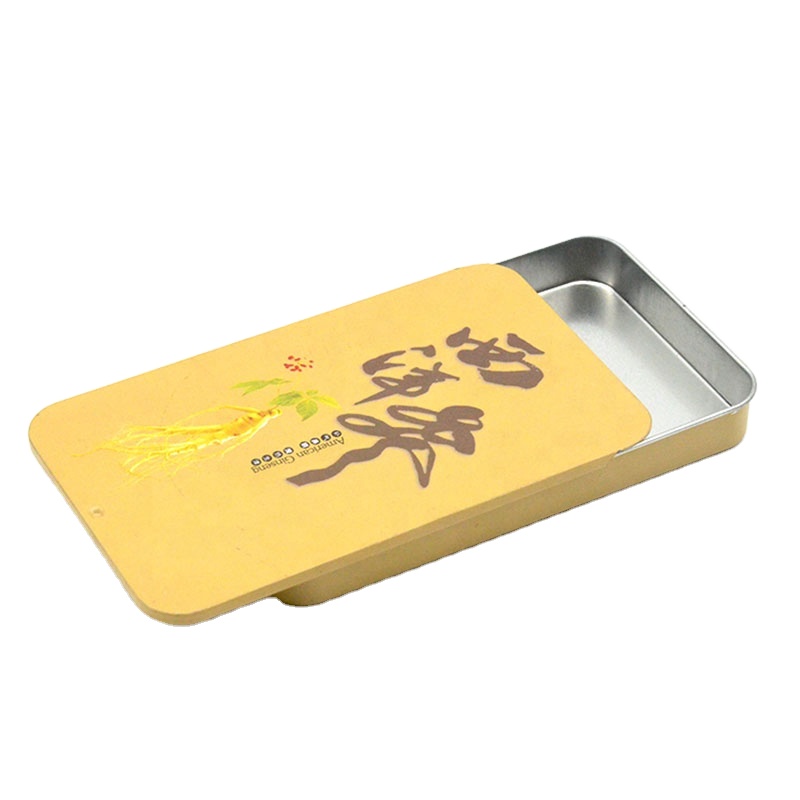
Fabriqué à partir de matériaux robustes de qualité alimentaire conçus pour durer des années.Les boîtes de menthe sont dotées d'un couvercle hermétique qui garantit que votre menthe reste fraîche et savoureuse.Variété de designs stylés qui ne manqueront pas d'impressionner.Faites de superbes cadeaux pour toutes les occasions, des anniversaires aux vacances.Variété de tailles, ce qui permet de trouver facilement celle qui répond parfaitement à vos besoins.
EN SAVOIR PLUS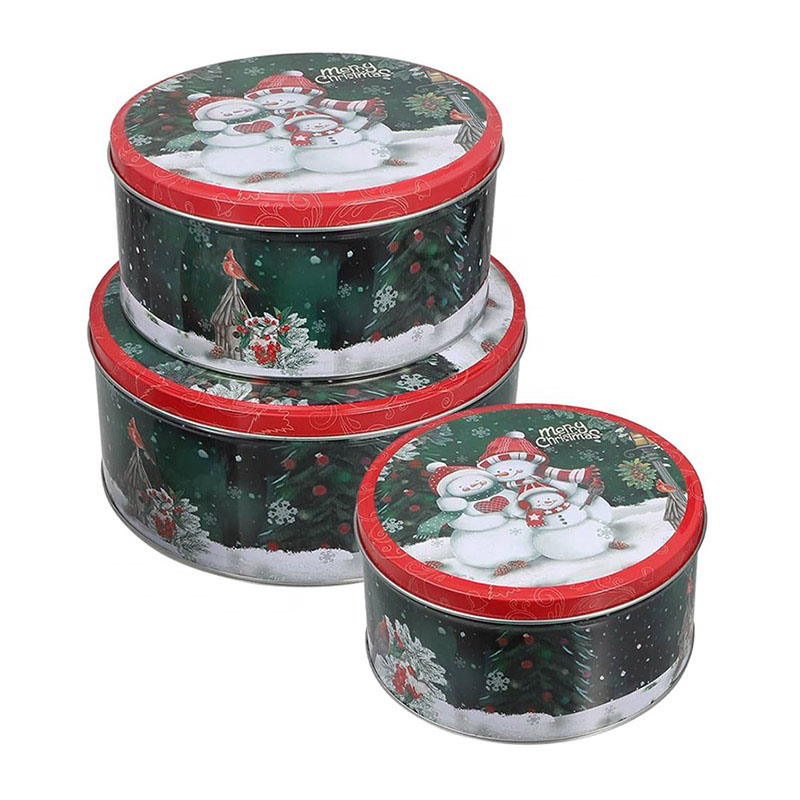
Nous proposons une gamme d'options de conditionnement de cookies pour répondre à vos besoins spécifiques. En employant des techniques de scellement efficaces, vos cadeaux peuvent être conservés pendant de longues périodes. Nous avons établi des partenariats solides avec des marques de biscuits renommées telles que Oreo, Keebler, Chips Ahoy et Pepperidge Farm. Nous accordons la priorité à la sécurité de vos emballages cadeaux en utilisant uniquement du fer blanc de première qualité alimentaire. Nous garantissons la plus haute qualité des présentations en boîtes en fer blanc en utilisant des machines d'impression professionnelles Pantone et 4 couleurs.
EN SAVOIR PLUS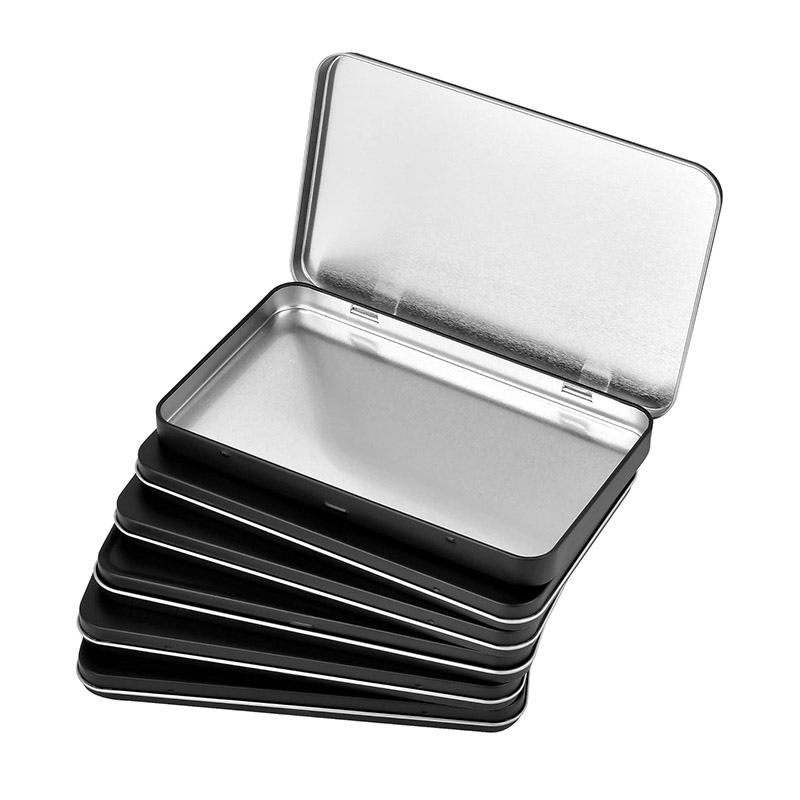
Large gamme de solutions d'emballage en fer blanc parmi lesquelles choisir, couvrant toute la gamme de produits.Le processus moderne apporte une bonne étanchéité et une longue durée de stockage.Parmi les partenaires bien connus figurent des marques de premier plan telles que Mentos, Tic Tac, Altoids.Le matériau en fer blanc de qualité supérieure garantit une étanchéité parfaite de la boîte.Équipe de conception professionnelle, équipement d'impression avancé, présentation parfaite.
EN SAVOIR PLUS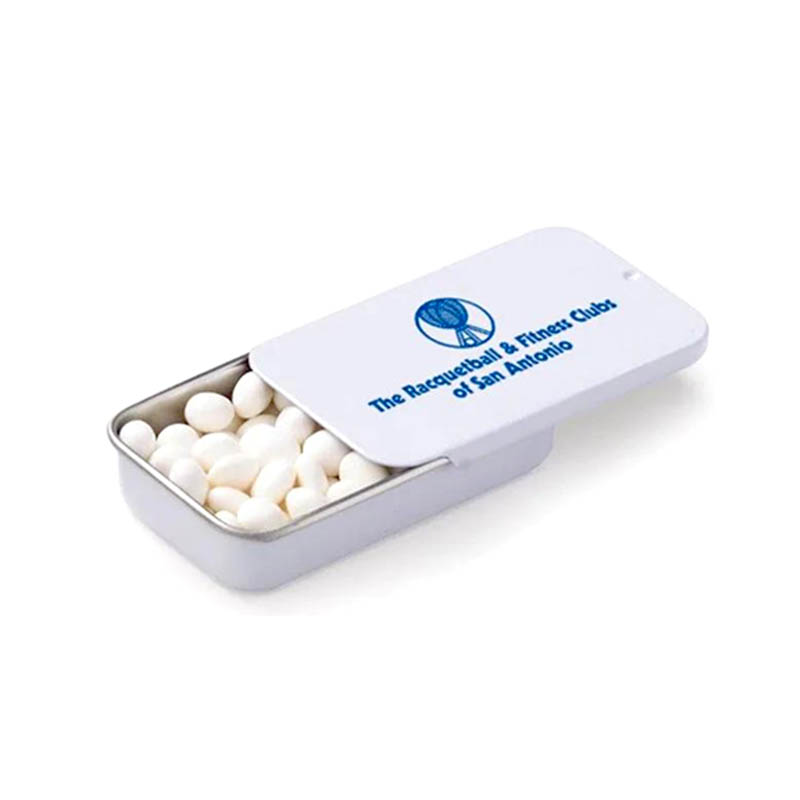
Faciles à assembler et à démonter, ce qui les rend parfaits pour les solutions de stockage temporaire.Empilables, ce qui les rend parfaits pour maximiser l'espace de stockage.Idéal pour exposer des articles dans les magasins de détail, car ils peuvent être facilement ouverts et fermés.Excellent moyen de stocker et d'organiser des documents, car ils sont sécurisés et faciles à étiqueter.Parfaits pour offrir, car ils peuvent être personnalisés avec un motif ou un logo.
EN SAVOIR PLUS
Quel que soit le type d'emballage dont vous avez besoin, nous proposons des options d'emballage de cookies adaptées.Vos cookies peuvent être stockés pendant des périodes plus longues grâce à des techniques de scellement efficaces.Oreo, Keebler, Chips Ahoy et Pepperidge Farm sont des marques de biscuits célèbres qui nous sont fidèles.L'utilisation de fer blanc de première qualité alimentaire garantit la sécurité de votre emballage de biscuits.Des machines d'impression professionnelles Pantone et 4 couleurs sont utilisées pour garantir la qualité supérieure des présentations en boîtes de conserve.
EN SAVOIR PLUS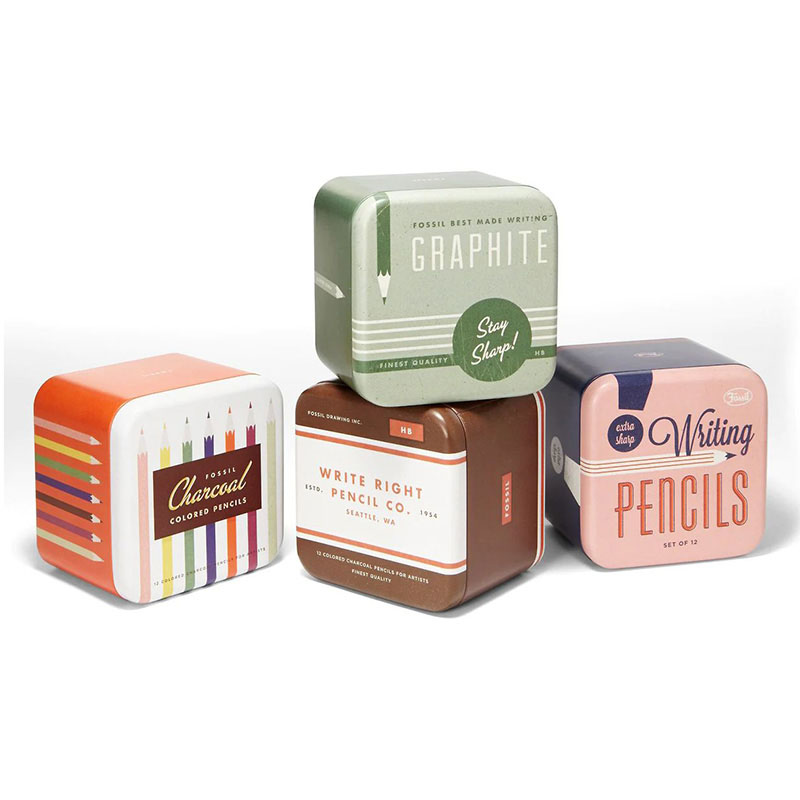
Ces conteneurs sont conçus pour un rangement et une organisation faciles, avec une conception qui leur permet d'être empilés.Polyvalents, ces contenants peuvent être réutilisés pour ranger des objets ou comme pièces décoratives.Choisissez parmi une variété de tailles, de couleurs et de designs qui peuvent parfaitement répondre à vos besoins spécifiques.Les conteneurs sont dotés d'une structure simple à couvercle rabattable à charnière, garantissant une ouverture et une fermeture sans effort.Leur construction en fer blanc durable assure longévité et résistance à l’usure.
EN SAVOIR PLUS
Ces conteneurs sont conçus pour être empilés sans effort, simplifiant ainsi le stockage et l'organisation.Non seulement ces contenants sont réutilisables, mais ils sont également polyvalents, servant à la fois de rangement et de décoration.Avec une gamme de tailles, de couleurs et de designs, vous pouvez découvrir la solution idéale pour vos besoins.La conception simple du couvercle rabattable permet une ouverture et une fermeture faciles.Fabriqués à partir de fer blanc durable, ces conteneurs sont construits pour durer et résister à une utilisation quotidienne.
EN SAVOIR PLUS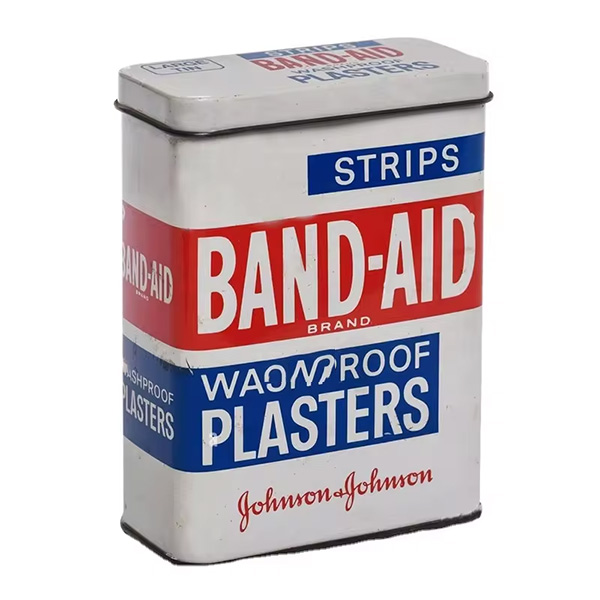
Offre une variété de tailles pour stocker n'importe quelle quantité de menthe et de bonbons.Structure hermétique et scellée pour garder votre menthe fraîche et savoureuse.Abordable et offrant un excellent rapport qualité/prix.Matériau en fer blanc recyclable qui en fait un excellent choix écologique.Les appareils d'impression couleur Panton avancés apportent des designs plus tendance et plus précieux.
EN SAVOIR PLUS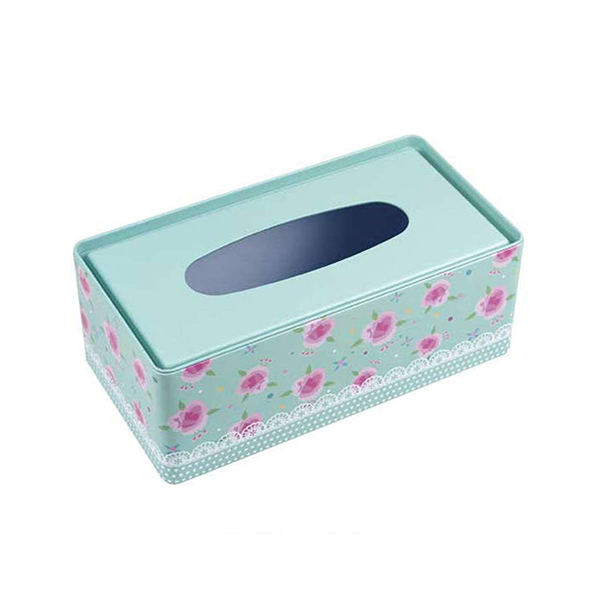
Notre sélection d'options d'emballage de cookies est conçue pour répondre à tous les types d'exigences d'emballage.Grâce à nos techniques de scellage efficaces, vous pouvez garantir que vos cadeaux restent frais et conservés plus longtemps.Oreo, Keebler, Chips Ahoy et Pepperidge Farm sont des marques de biscuits célèbres qui nous sont fidèles.Soyez assuré que nous accordons la priorité à la sécurité de vos emballages cadeaux en utilisant du fer blanc de première qualité alimentaire, garantissant ainsi le plus haut niveau de qualité.Pour garantir une qualité irréprochable dans les présentations en boîtes métalliques, nous utilisons des machines d'impression professionnelles Pantone et 4 couleurs.
EN SAVOIR PLUS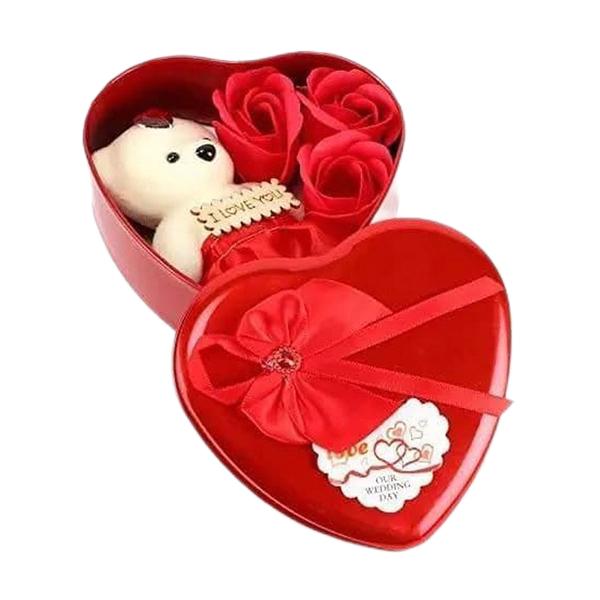
Quel que soit le type d’emballage, nous proposons des options d’emballage de chocolat qui répondront à vos besoins.Un joint hermétique garantit que les boîtes de chocolat restent fraîches pendant une période prolongée.Les boîtes de chocolat sont ornées de motifs accrocheurs qui les rendent faciles à reconnaître.La durabilité et la qualité durable de la boîte de chocolat en font une option rentable pour l'emballage.La construction robuste des boîtes de chocolat en fait un récipient idéal pour les protéger contre la casse ou l'écrasement.
EN SAVOIR PLUS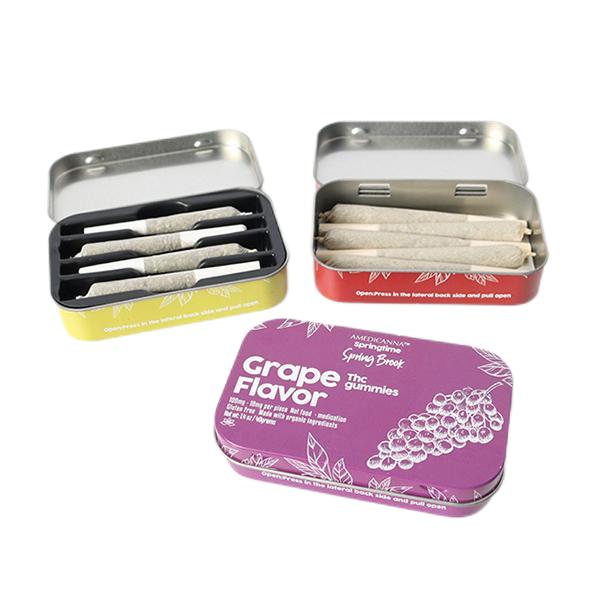
Nous proposons une variété d’options d’emballage de cigarettes pour améliorer la qualité.Les boîtes à cigarettes sont un excellent moyen de les conserver et de les conserver au frais plus longtemps.Marlboro, Camel, Winston, ces marques mondiales sont nos partenaires commerciaux à long terme.Le matériau en fer blanc de qualité alimentaire est résistant à la corrosion et maintiendra la fraîcheur de la cigarette.Un équipement d'impression de la plus haute qualité pour mettre parfaitement en valeur le design de votre emballage en métal.
EN SAVOIR PLUS
Ces conteneurs sont conçus pour un rangement et une organisation faciles, avec une conception qui leur permet d'être empilés.Polyvalents, ces contenants peuvent être réutilisés pour ranger des objets ou comme pièces décoratives.Choisissez parmi une variété de tailles, de couleurs et de designs qui peuvent parfaitement répondre à vos besoins spécifiques.Les conteneurs sont dotés d'une structure simple à couvercle rabattable à charnière, garantissant une ouverture et une fermeture sans effort.Leur construction en fer blanc durable assure longévité et résistance à l’usure.
EN SAVOIR PLUS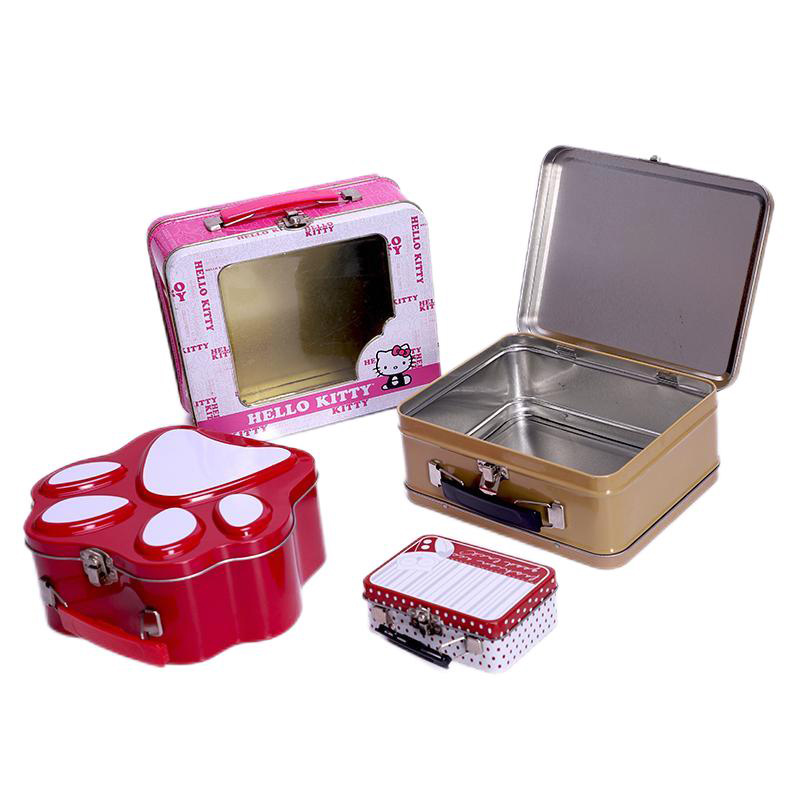
Récipient en métal avec poignée en plastique, taille: 196*170*80mm, Fabriqué en fer blanc de 0,23 mm d'épaisseur, impression couleur CMJN 4 ou panton, nous prenons en charge toute personnalisation.
EN SAVOIR PLUS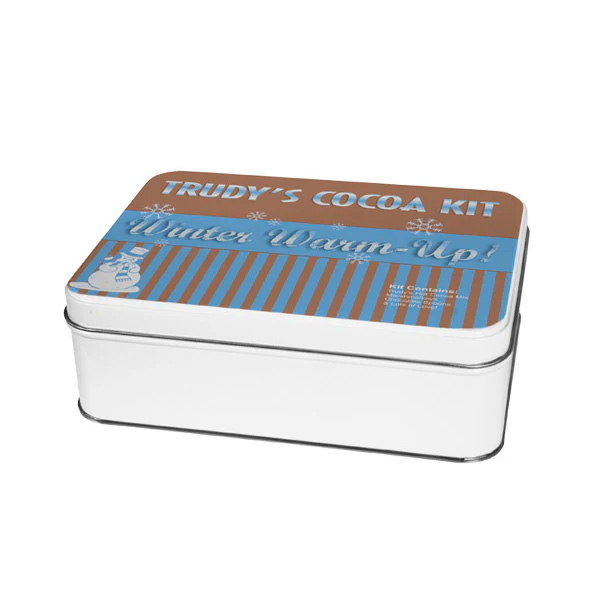
Quel que soit le type d’emballage dont vous avez besoin, nous avons la solution idéale pour vous.Des techniques avancées garantissent une étanchéité efficace de vos produits, permettant des capacités de stockage étendues.Des marques alimentaires renommées comme Oreo, Keebler, Chips Ahoy et Pepperidge Farm comptent parmi nos clients fidèles.Soyez assuré que vos produits seront emballés dans du fer blanc de première qualité, sans danger pour le contact direct avec les aliments.Les machines d’impression professionnelles Pantone et 4 couleurs garantissent des présentations en boîte métallique de qualité supérieure pour vos produits.
EN SAVOIR PLUS
Fabriqué en fer blanc de qualité alimentaire, adaptable à diverses applications.Robuste et protection contre l'humidité et la lumière, longue conservation du contenu.Offre plusieurs tailles et styles, pour s'adapter facilement à votre demande diversifiée.Personnalisable avec des logos et des designs, répond aux besoins de la marque ou aux besoins individuels en matière d'emballage.Réutilisé pour le stockage ou comme objet de décoration, recyclable et respectueux de l'environnement.
EN SAVOIR PLUS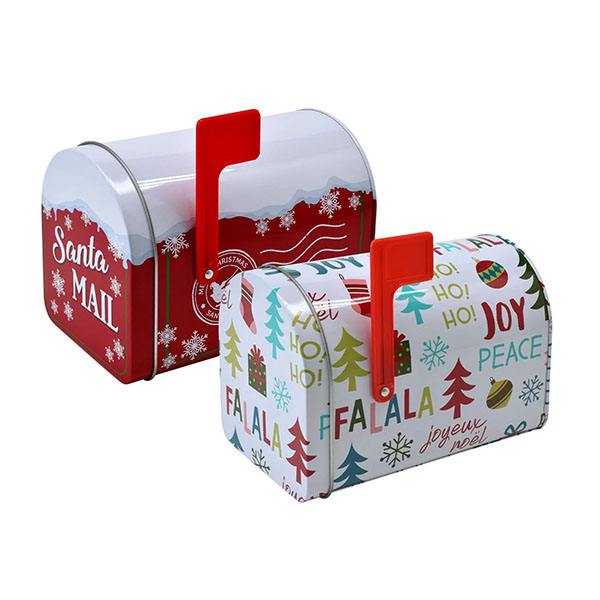
Nous avons la solution d'emballage idéale pour vous, adaptée à vos besoins.Nos méthodes de pointe garantissent que vos produits sont scellés en toute sécurité, permettant ainsi un stockage prolongé.Certains des plus grands noms de l'alimentation, notamment Oreo, Keebler, Chips Ahoy et Pepperidge Farm, nous confient leur activité.Vous pouvez être sûr que vos produits seront emballés dans du fer blanc de première qualité, sans danger pour le contact alimentaire.La technologie d'impression Pantone et 4 couleurs de pointe garantit que vos boîtes en fer blanc se démarquent avec une qualité inégalée pour vos présentations de produits.
EN SAVOIR PLUS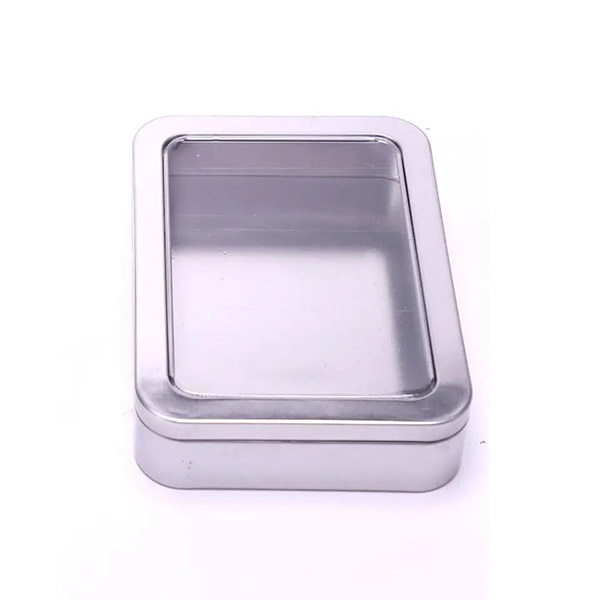
Boîte en métal avec fenêtre, taille: 127 * 93 * 30 mm, fabriquée en fer blanc de 0,23 mm d'épaisseur, Impression CMJN 4 couleurs ou panton, nous prenons en charge toute personnalisation.
EN SAVOIR PLUS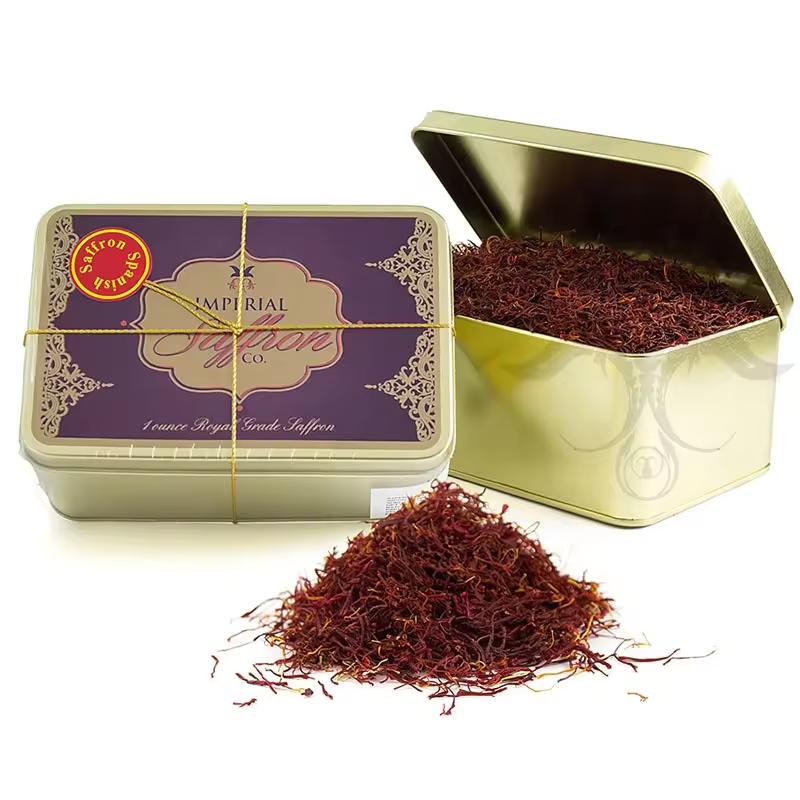
Large gamme de solutions d'emballage en fer blanc parmi lesquelles choisir, couvrant toute la gamme de produits.Le processus moderne apporte une bonne étanchéité et une longue durée de stockage.Parmi les partenaires bien connus figurent des marques de premier plan telles que Mentos, Tic Tac, Altoids.Le matériau en fer blanc de qualité supérieure garantit une étanchéité parfaite de la boîte.Équipe de conception professionnelle, équipement d'impression avancé, présentation parfaite.
EN SAVOIR PLUS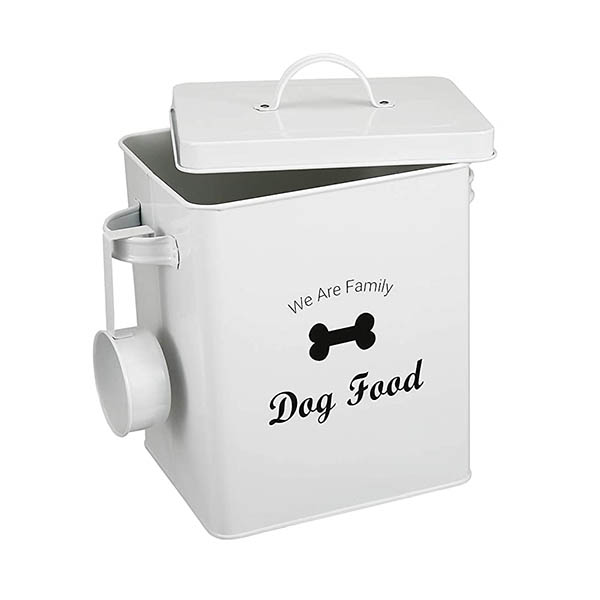
Récipient de stockage en étain pour aliments pour animaux de compagnie, taille: 180 * 155 * 230 mm, fabriqué en tôle galvanisée de 0,35 mm d'épaisseur, Impression CMJN 4 couleurs ou panton, nous prenons en charge toute personnalisation.
EN SAVOIR PLUS
Conçus pour être facilement empilés, ces conteneurs facilitent le stockage et l’organisation.Ces contenants sont non seulement réutilisables mais également polyvalents, servant à la fois de rangement et de décoration.Avec une variété de tailles, de couleurs et de designs, vous pouvez trouver celui qui répond parfaitement à vos besoins.La conception simple du couvercle rabattable permet une ouverture et une fermeture faciles.Fabriqués à partir de fer blanc durable, ces conteneurs sont conçus pour durer et résister à une utilisation quotidienne.
EN SAVOIR PLUS
Porte-crayon en métal, taille : 195 x 85 x 25 mm, fabriqué en fer blanc de 0,23 mm d'épaisseur, Impression CMJN 4 couleurs ou panton, nous prenons en charge toute personnalisation.
EN SAVOIR PLUS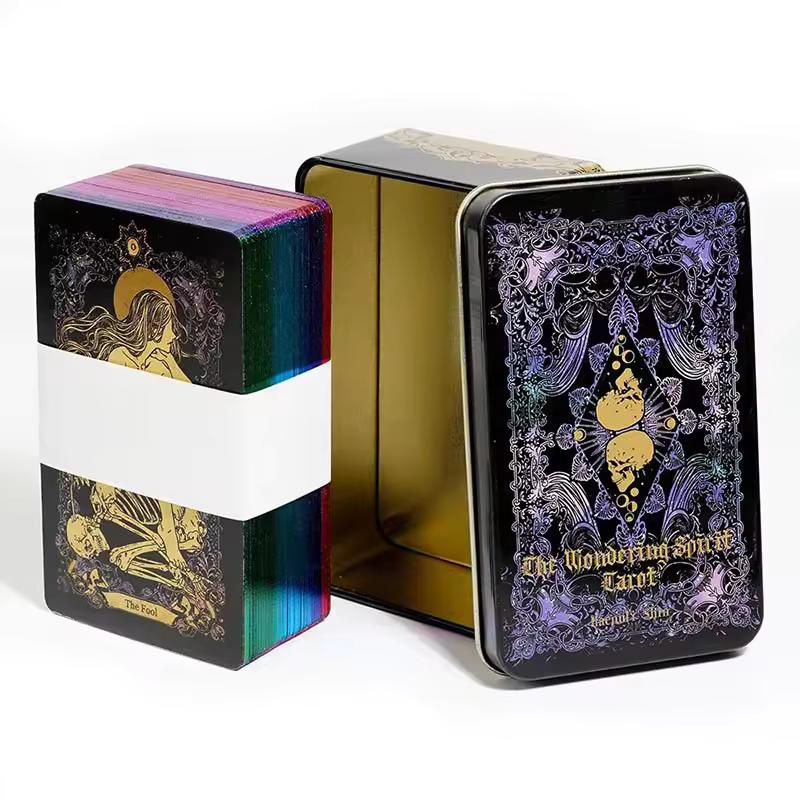
Découvrez une gamme diversifiée de solutions d'emballage en boîte métallique conçues pour s'adapter à une large gamme de produits.Nos procédés contemporains garantissent une étanchéité sécurisée et une durée de stockage prolongée.Collaborez avec des marques bien connues comme Mentos, Tic Tac et Altoids.L'utilisation de fer blanc de première qualité garantit une fermeture impeccable de votre emballage en fer blanc.Bénéficiez d’une équipe de conception professionnelle, d’un équipement d’impression de pointe et de normes de présentation impeccables.
EN SAVOIR PLUS
Nos options d'emballage de cookies peuvent être adaptées pour répondre à vos exigences spécifiques en matière d'emballage.Pour le stockage prolongé de vos cookies, des techniques de scellement avancées peuvent être utilisées.Privilège de servir des marques de biscuits bien connues comme Oreo, Keebler, Chips Ahoy et Pepperidge Farm.L'emballage de vos biscuits est entièrement sans danger pour le contact alimentaire car il est fabriqué en fer blanc de première qualité.Des machines d'impression professionnelles Pantone et 4 couleurs sont utilisées pour garantir la supériorité des présentations en boîte en fer blanc.
EN SAVOIR PLUS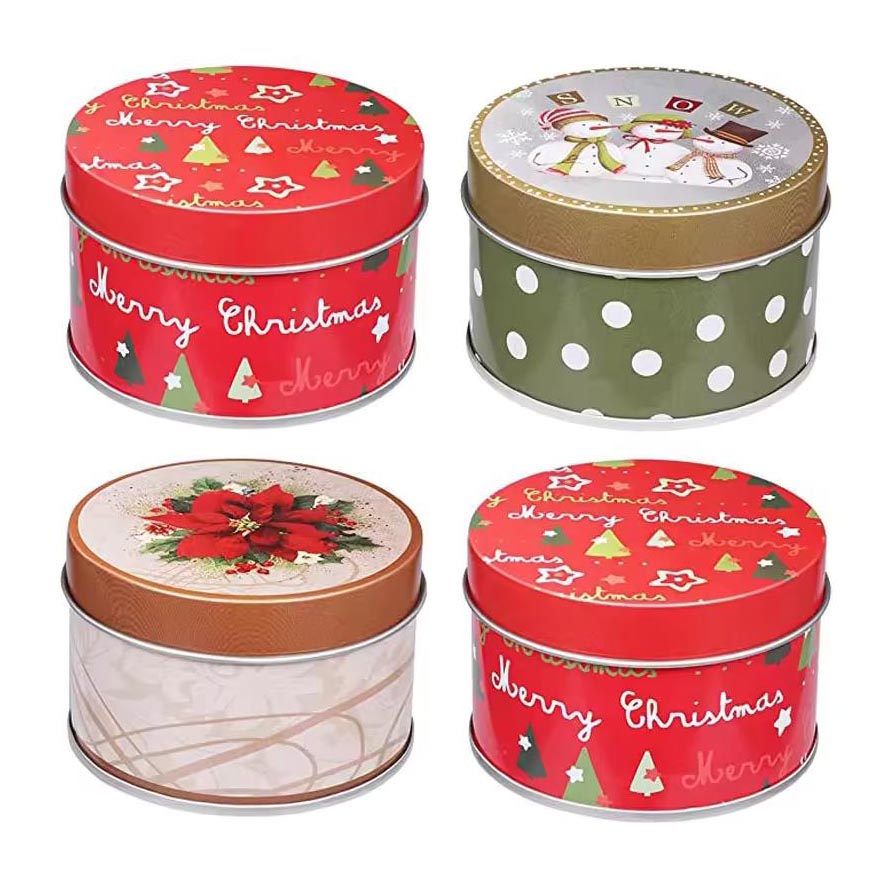
Nous proposons des options de conditionnement de cookies adaptées à tous les types de conditionnement.Des techniques de scellement avancées peuvent être utilisées pour garantir un stockage prolongé et la fraîcheur de vos cookies.Grâce à leur capacité à protéger de l'air et de l'humidité, les boîtes à biscuits sont parfaites pour préserver la fraîcheur.La boîte à biscuits est un choix d'emballage durable et durable, ce qui en fait une option rentable.Les boîtes à biscuits sont conçues dans une variété de formes et de tailles pour répondre à vos préférences individuelles.
EN SAVOIR PLUS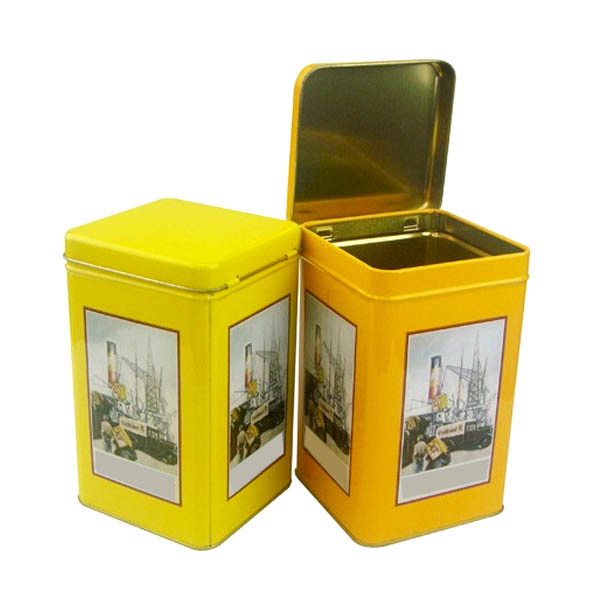
Boîte en métal avec couvercle à charnière, taille : 102*102*170mm, Fabriqué en fer blanc de 0,23 mm d'épaisseur, couleur CMJN 4 et impression panton, nous prenons en charge toute personnalisation.
EN SAVOIR PLUS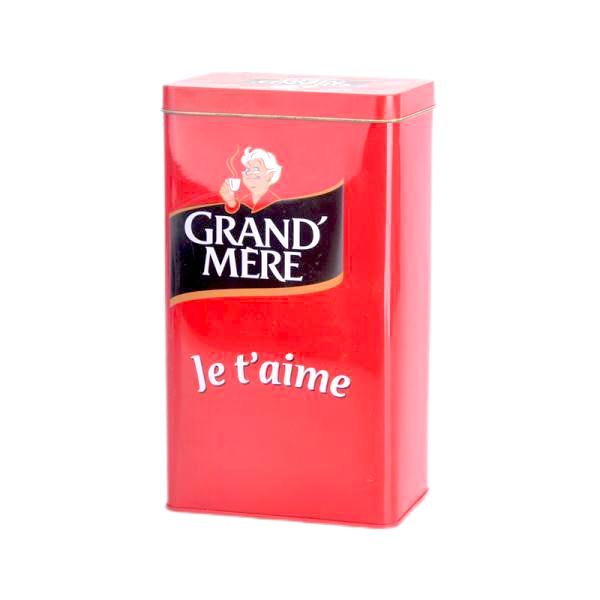
Nous avons en stock une série de solutions d’emballage de canettes de thé parmi lesquelles vous pouvez choisir.Le processus amélioré fournira une étanchéité efficace et un stockage à long terme pour votre thé.Les grandes marques de thé comme Lipton, Twinings et Tetley sont nos clients fidèles.L'emballage du thé est fabriqué en fer blanc de qualité alimentaire approuvé par la FDA pour garantir une sécurité maximale.Équipement d'impression professionnel pour présenter parfaitement le design de votre emballage de boîte de thé.
EN SAVOIR PLUS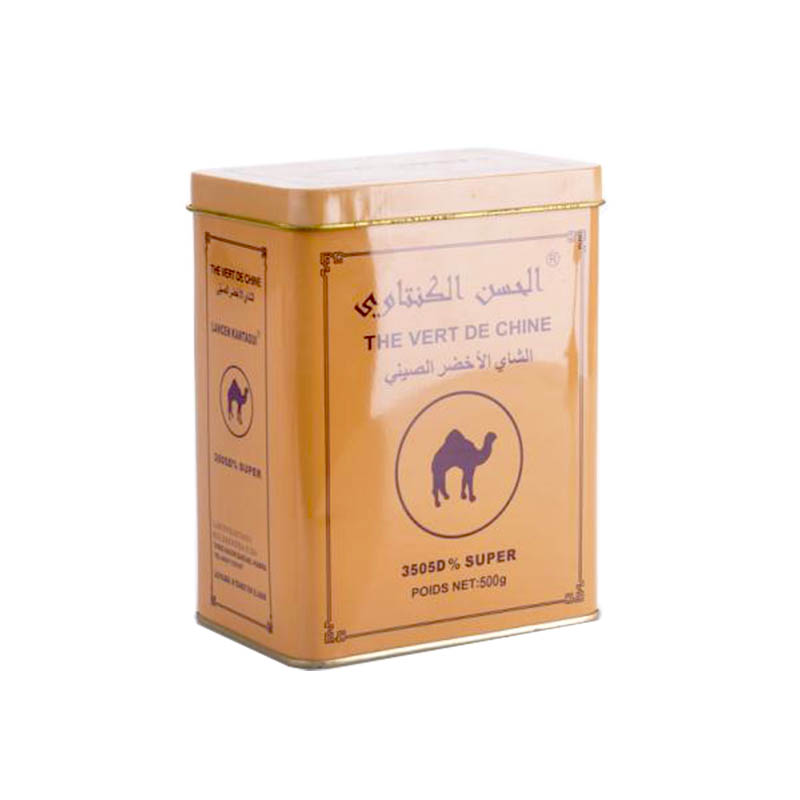
Boîte rectangulaire en fer blanc pour thé à café, taille: 85*85*150mm, Fabriqué en fer blanc de 0,23 mm d'épaisseur, couleur CMJN 4 et impression panton, nous prenons en charge toute personnalisation.
EN SAVOIR PLUS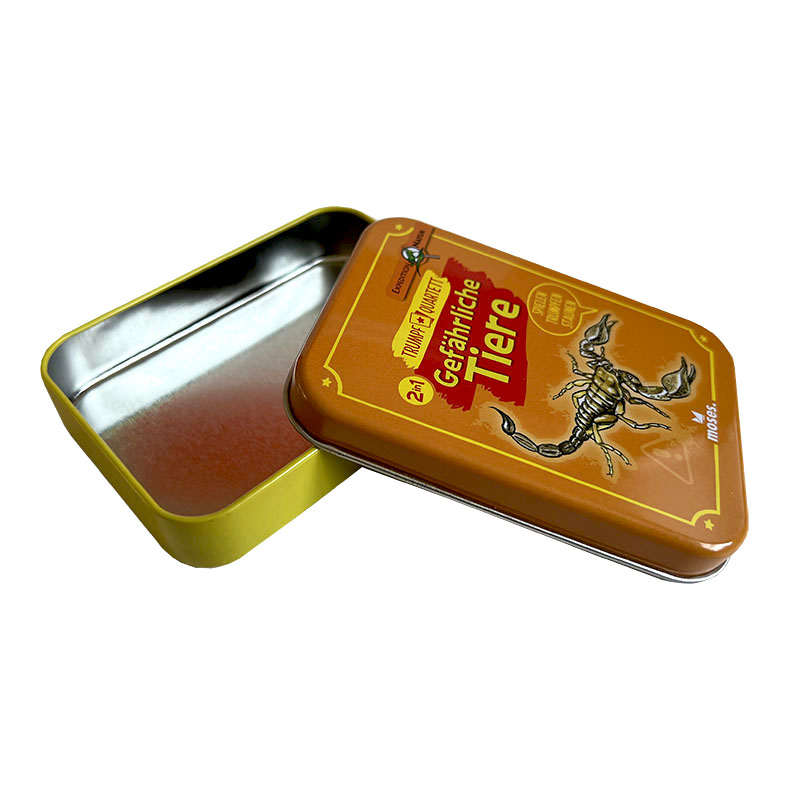
Petit boîtier en métal, taille: 95*65*19mmmm, Fabriqué en fer blanc de 0,23 mm d'épaisseur, couleur CMJN 4 et impression panton, nous prenons en charge toute personnalisation.
EN SAVOIR PLUS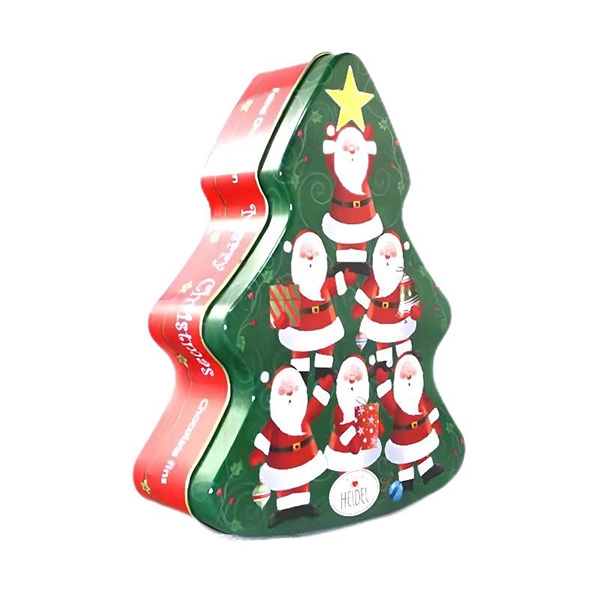
Fabriqué en fer blanc de qualité alimentaire, adaptable à diverses applications.Robuste et protection contre l'humidité et la lumière, longue conservation du contenu.Offre plusieurs tailles et styles, pour s'adapter facilement à votre demande diversifiée.Personnalisable avec des logos et des designs, répond aux besoins de la marque ou aux besoins individuels en matière d'emballage.Réutilisé pour le stockage ou comme objet de décoration, recyclable et respectueux de l'environnement.
EN SAVOIR PLUS
Fabriqué en fer blanc de qualité alimentaire, adaptable à diverses applications.Robuste et protection contre l'humidité et la lumière, longue conservation du contenu.Offre plusieurs tailles et styles, pour s'adapter facilement à votre demande diversifiée.Personnalisable avec des logos et des designs, répond aux besoins de la marque ou aux besoins individuels en matière d'emballage.Réutilisé pour le stockage ou comme objet de décoration, recyclable et respectueux de l'environnement.
EN SAVOIR PLUS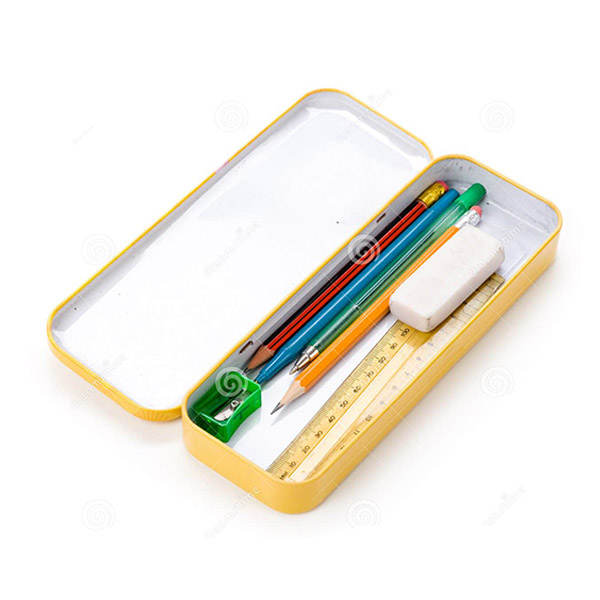
Construit à partir de matériaux en fer blanc robustes, garantissant leur durabilité et leur longévité.Protégez votre papeterie avec une barrière sécurisée, en la protégeant des dommages ou de la perte.Une grande variété de tailles et de styles, y compris des supports et des étuis, répondent à tous vos besoins et préférences spécifiques.Avec une machine d'impression couleur de pointe, ajoutant une touche personnalisée et captivante à chacun.Nous garantissons que vous recevrez des produits haut de gamme d’une qualité exceptionnelle à un prix très compétitif.
EN SAVOIR PLUS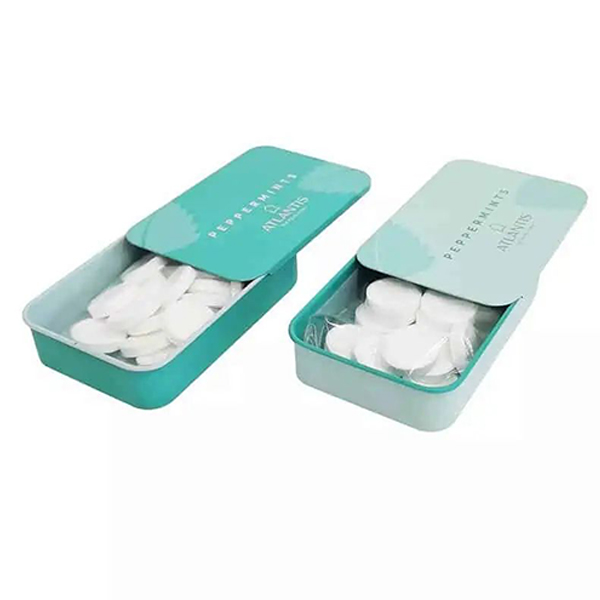
Faciles à assembler et à démonter, ce qui les rend parfaits pour les solutions de stockage temporaire.Empilables, ce qui les rend parfaits pour maximiser l'espace de stockage.Idéal pour exposer des articles dans les magasins de détail, car ils peuvent être facilement ouverts et fermés.Excellent moyen de stocker et d'organiser des documents, car ils sont sécurisés et faciles à étiqueter.Parfaits pour offrir, car ils peuvent être personnalisés avec un design ou un logo.
EN SAVOIR PLUS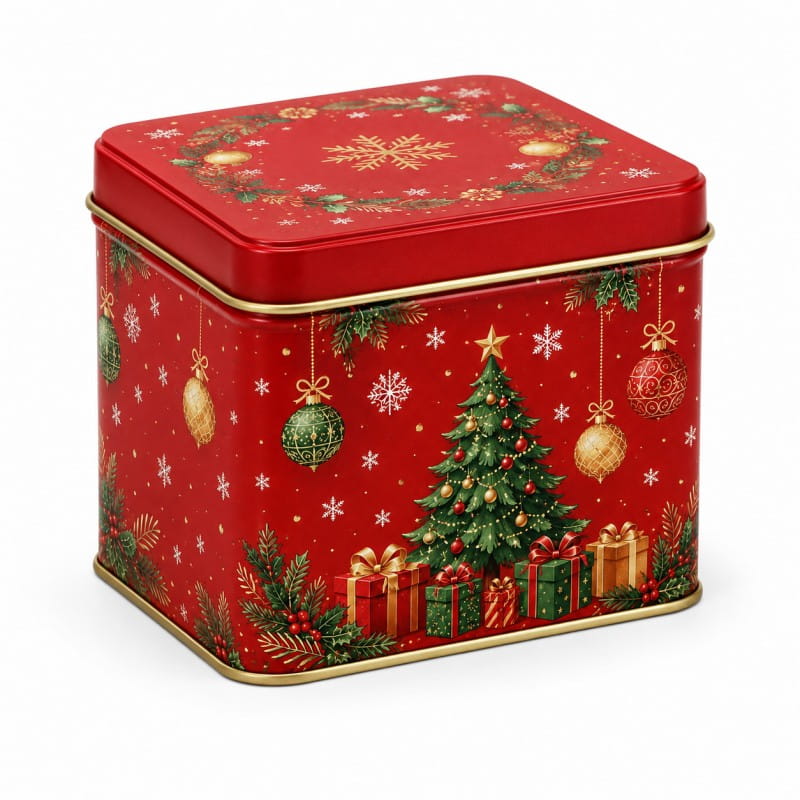
Ces conteneurs sont conçus pour un rangement et une organisation faciles, avec une conception qui leur permet d'être empilés. Polyvalents, ces contenants peuvent être réutilisés pour ranger des objets ou comme pièces décoratives. Choisissez parmi une variété de tailles, de couleurs et de designs qui peuvent parfaitement répondre à vos besoins spécifiques. Les conteneurs sont dotés d'une structure simple à couvercle rabattable à charnière, garantissant une ouverture et une fermeture sans effort. Leur construction en fer blanc durable assure longévité et résistance à l’usure.
EN SAVOIR PLUS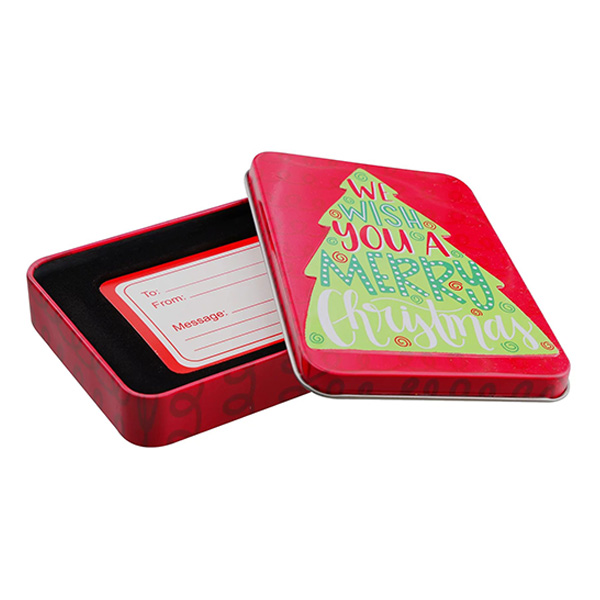
Conçus pour être facilement empilés, ces conteneurs facilitent le stockage et l’organisation.Ces contenants sont non seulement réutilisables mais également polyvalents, servant à la fois de rangement et de décoration.Avec une variété de tailles, de couleurs et de designs, vous pouvez trouver celui qui répond parfaitement à vos besoins.La conception simple du couvercle rabattable permet une ouverture et une fermeture faciles.Fabriqués à partir de fer blanc durable, ces conteneurs sont conçus pour durer et résister à une utilisation quotidienne.
EN SAVOIR PLUS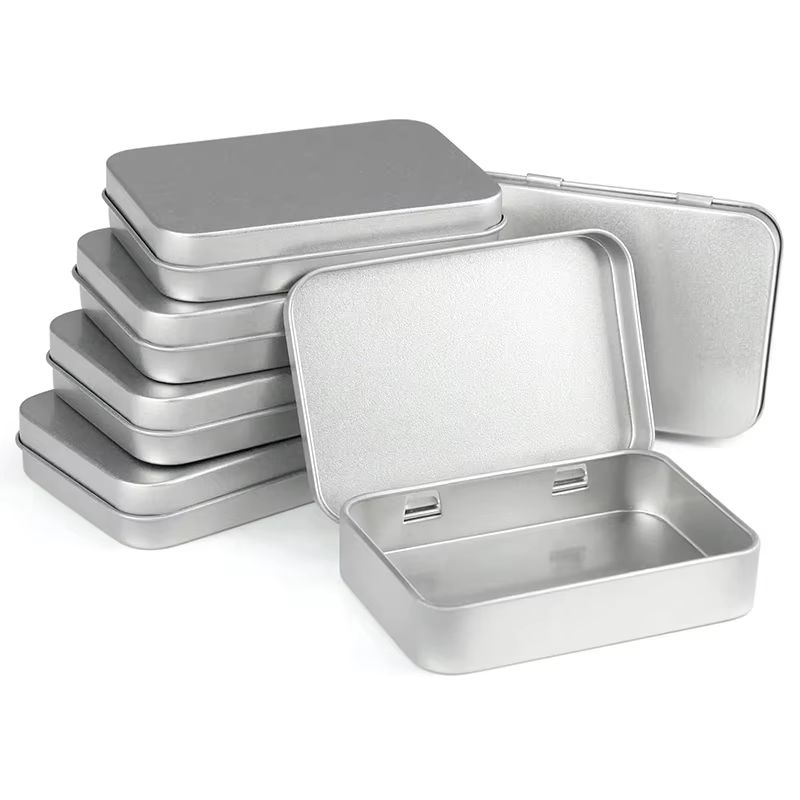
Une boîte à savon offre une solution d'emballage durable et écologique pour stocker et protéger le savon. Sa construction en métal robuste garantit que le savon reste sec et intact, tandis que son design compact le rend parfait pour les voyages. Avec des options personnalisables et des styles variés, il ajoute une touche élégante à votre routine de soins personnels.
EN SAVOIR PLUS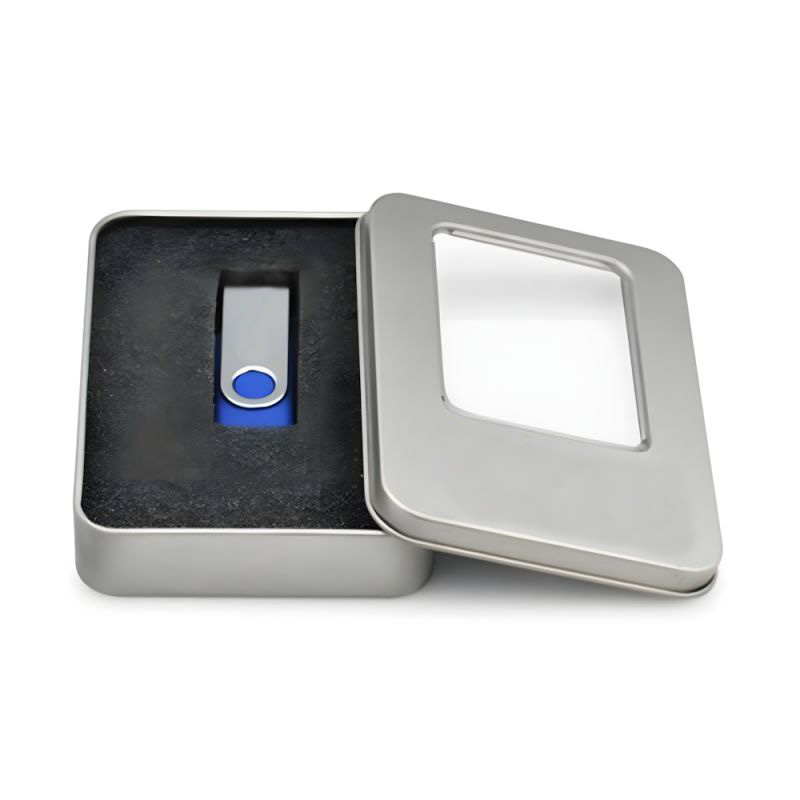
Une boîte métallique USB est une solution d'emballage durable et élégante, parfaite pour stocker et protéger vos clés USB. Sa construction métallique robuste protège la clé USB des dommages, garantissant ainsi sa longévité et sa fiabilité. Son design compact le rend facile à transporter et à ranger, que ce soit à la maison ou en déplacement. Disponible dans différents styles et options personnalisables, la boîte métallique USB ajoute une touche professionnelle et élégante à vos accessoires technologiques, ce qui en fait un excellent choix pour un usage personnel et professionnel.
EN SAVOIR PLUS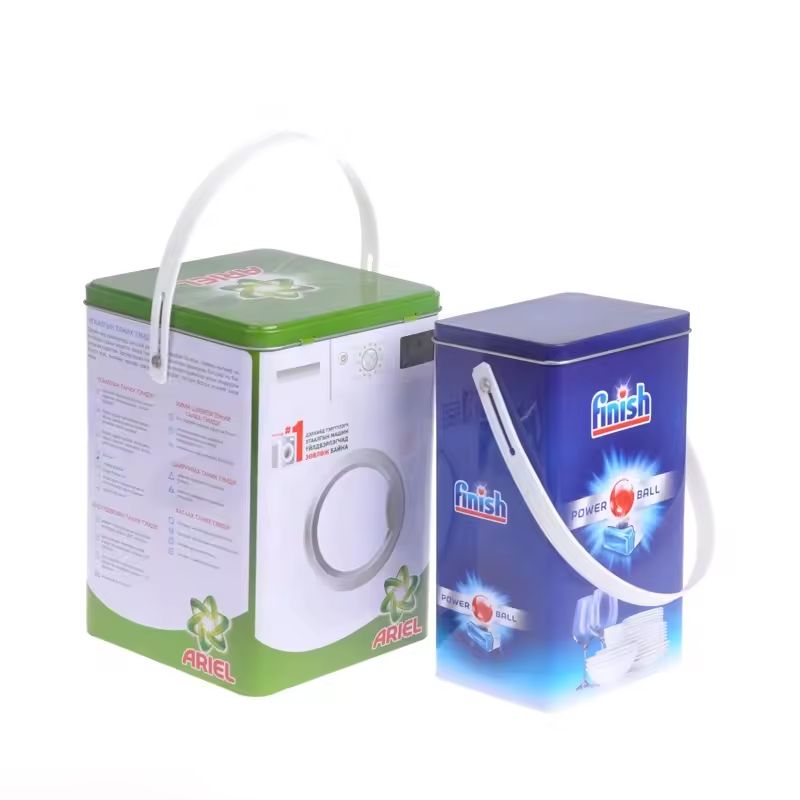
Une boîte en fer blanc pour lessive est un choix d'emballage durable et écologique, parfait pour stocker et conserver le détergent. Sa construction métallique robuste maintient le détergent sec et à l'abri de l'humidité, garantissant ainsi une fraîcheur durable. La conception compacte le rend pratique pour le stockage et les voyages. Disponible en différents modèles avec des options personnalisables, il ajoute une touche de sophistication à votre routine de lessive.
EN SAVOIR PLUS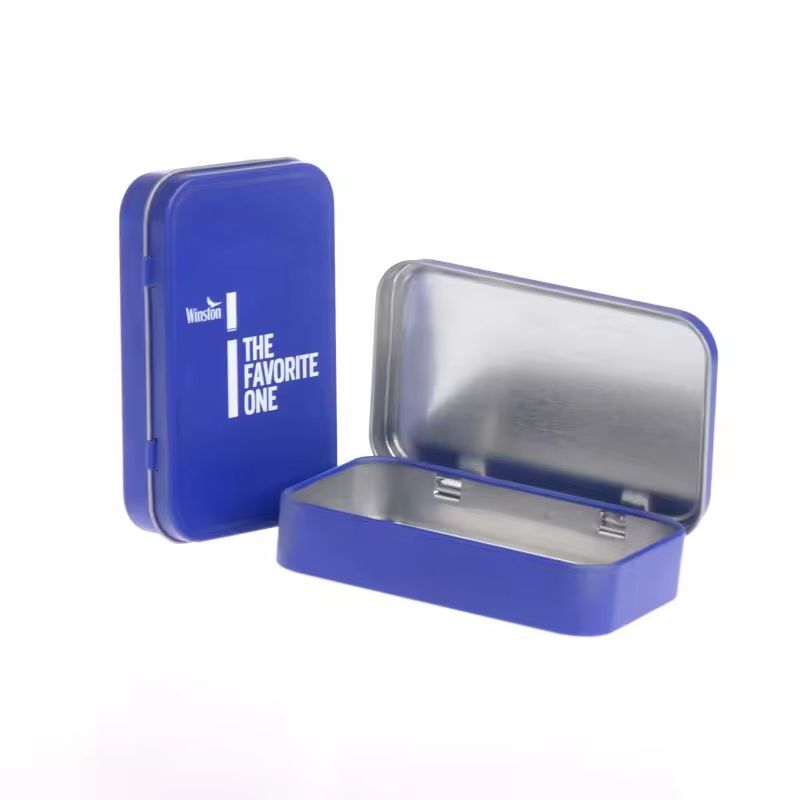
Une boîte métallique pour préservatifs est une solution d'emballage discrète et durable, idéale pour garder les préservatifs intacts et en sécurité. Sa construction métallique robuste protège le contenu des dommages, tandis que sa conception compacte le rend facile à transporter. Disponible dans différents styles et options personnalisables, il ajoute une touche de sophistication à vos essentiels de soins personnels.
EN SAVOIR PLUS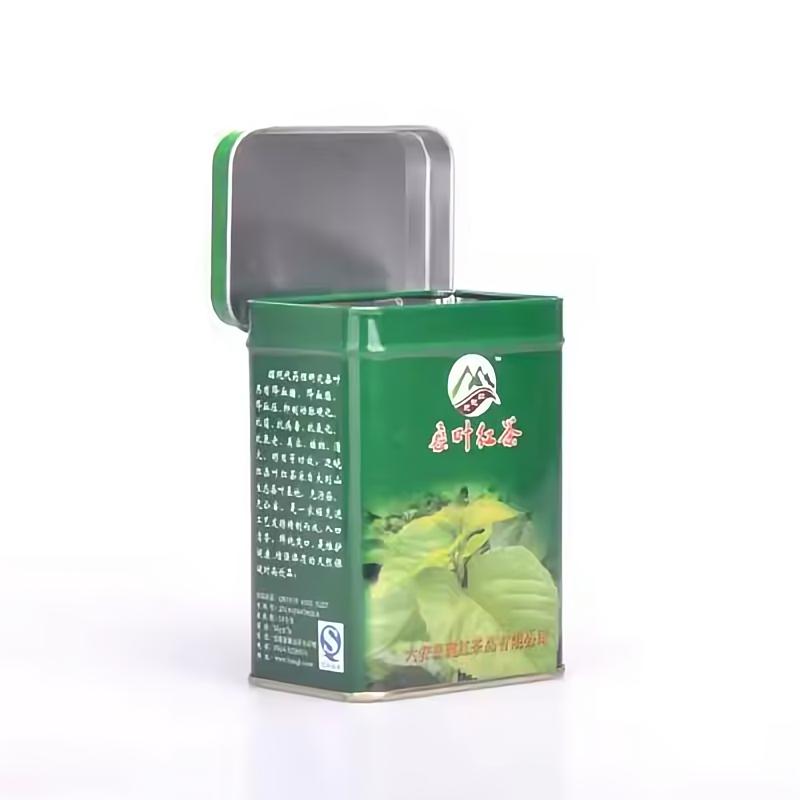
Découvrez nos boîtes à thé haut de gamme, conçues pour conserver la fraîcheur et la saveur de votre thé. Disponibles dans des tailles et des designs personnalisables, ces boîtes de haute qualité allient fonctionnalité et élégance, ce qui en fait le choix idéal pour les amateurs de thé et les marques.
EN SAVOIR PLUS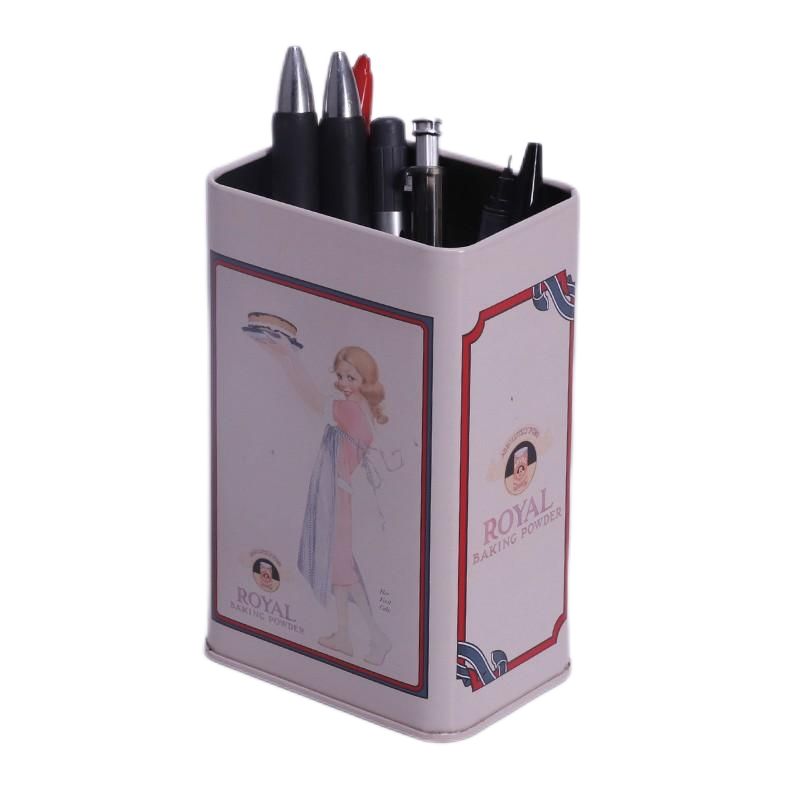
Gardez votre bureau bien rangé grâce à notre pot à crayons en étain durable. Conçu à la fois fonctionnel et tendance, ce support est parfait pour organiser des stylos, des crayons et bien plus encore. Sa construction robuste en étain assure la longévité, tandis que ses options personnalisables lui permettent de s'agencer à n'importe quel décor.
EN SAVOIR PLUS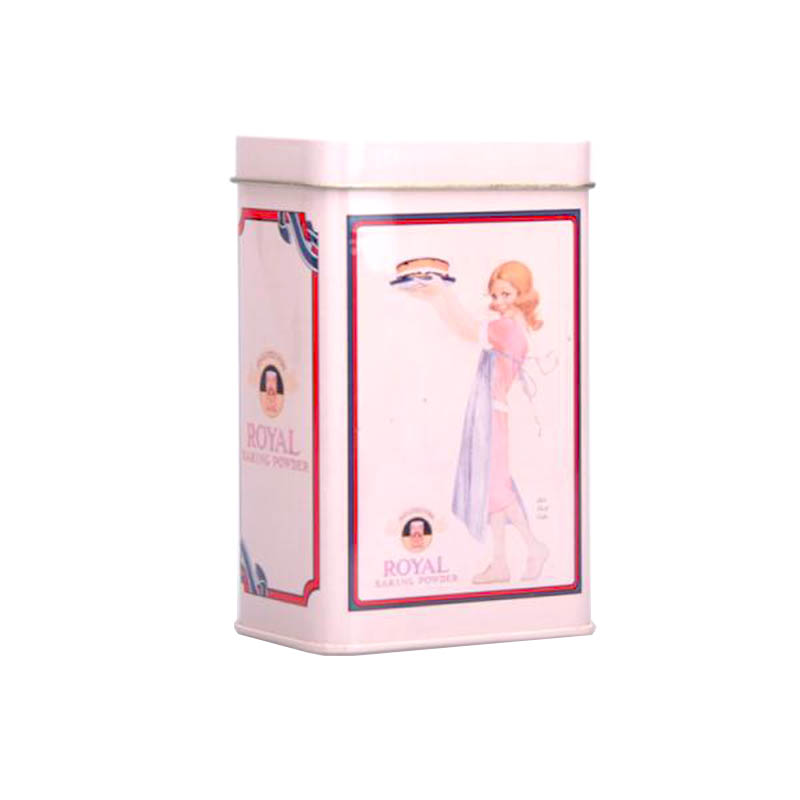
Nous vous proposons une variété de solutions d’emballage de boîtes de thé parmi lesquelles choisir.Des processus avancés peuvent apporter à votre thé une bonne étanchéité et un stockage de longue durée.Lipton, Twinings et Tetley, ces célèbres marques de thé sont nos fidèles clients.Le fer blanc de qualité alimentaire approuvé par la FDA peut garantir la sécurité absolue de votre emballage de thé.Le panton professionnel et les équipements d'impression 4 couleurs assurent une présentation de haute qualité des boîtes en fer blanc.
EN SAVOIR PLUS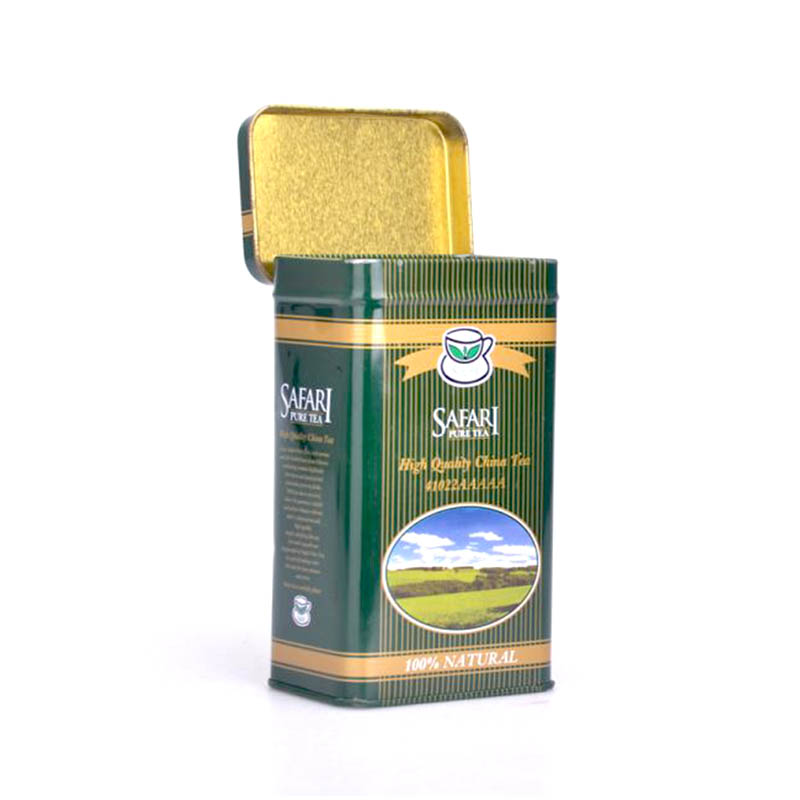
Le fer blanc recyclable, ce qui en fait un excellent choix écologique.Idéal pour offrir, car ils peuvent être personnalisés avec des étiquettes ou des autocollants.Variété de couleurs et de designs, les rendant attrayants et décoratifs.La structure hautement hermétique et scellée permet de stocker le thé en feuilles, le gardant à l'abri de la moisissure et de l'air.Logo et designs personnalisables qui constituent une façon attrayante de stocker et d'oser le thé.
EN SAVOIR PLUS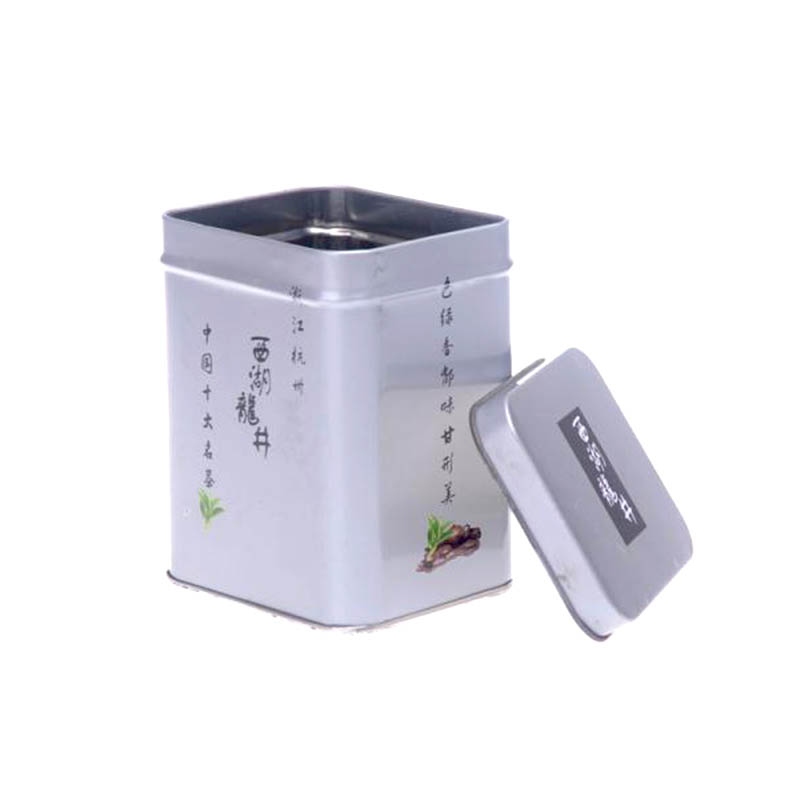
Support personnalisé avec votre propre design ou logo, afin que vous puissiez les rendre uniques.Variété de tailles, ce qui permet de trouver facilement celle qui convient à vos besoins.Coopération à long terme avec des marques célèbres comme Lipton, Twinings et Tetley.Fer blanc certifié de qualité alimentaire qui assure la sécurité de votre thé et de votre café.Support technique d'impression précis personnalisé avec votre propre design ou logo, ce qui peut les rendre uniques.
EN SAVOIR PLUS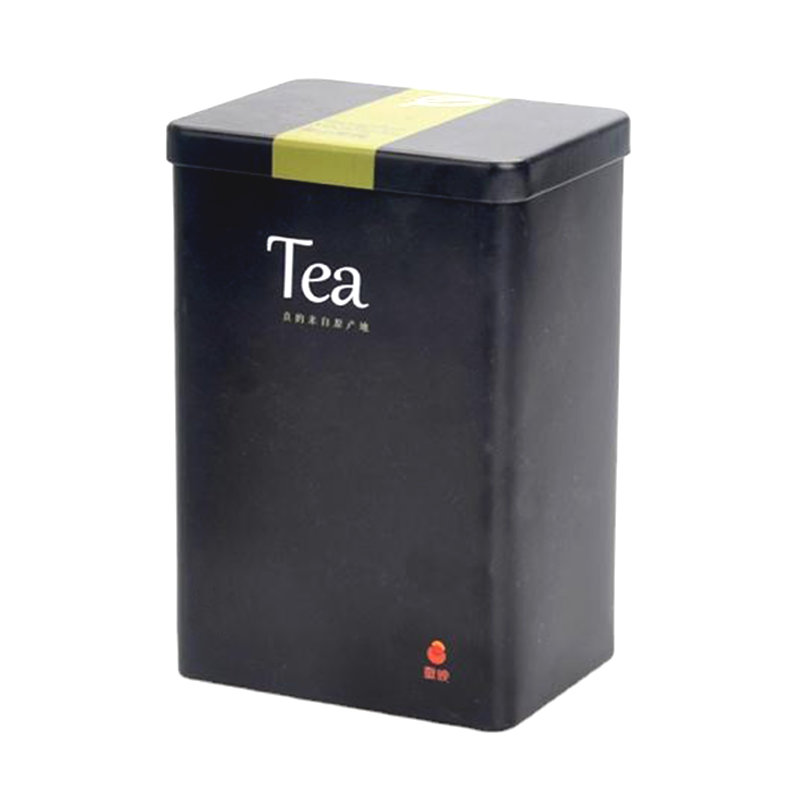
Durable et peut résister aux rigueurs de l’expédition et de la manutention.Attrayant et accrocheur, ce qui en fait un excellent choix pour offrir en cadeau.Rentable et peut vous aider à économiser de l'argent sur les coûts.Fabriqué à partir de matériaux robustes de qualité alimentaire conçus pour durer des années.Plusieurs designs élégants qui ne manqueront pas d'impressionner.
EN SAVOIR PLUS
Un moyen économique de promouvoir votre entreprise ou votre marque.Option d'emballage abordable pour les entreprises et les particuliers.Fabriqués à partir de matériaux recyclables, ce qui en fait une option d'emballage écologique.Variété de couleurs et de designs, ce qui en fait une option d'emballage attrayante.Conçu avec un couvercle sécurisé pour garantir que les articles restent en sécurité.
EN SAVOIR PLUS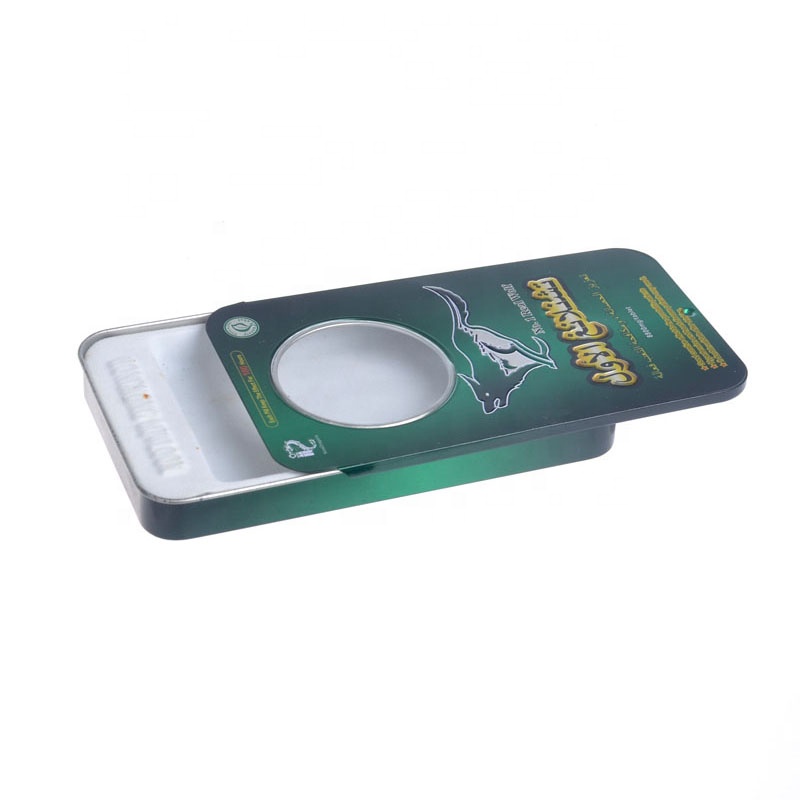
Couvercle hermétique pour empêcher l'air de pénétrer et conserver le bon goût de votre menthe.Variété de tailles, afin que vous puissiez trouver la taille parfaite pour vos besoins.Look élégant et moderne qui aura fière allure sur n'importe quel comptoir.Fabriqué avec des matériaux respectueux de l'environnement et meilleurs pour l'environnement.Personnalisés avec votre propre design ou logo, afin que vous puissiez les rendre uniques.
EN SAVOIR PLUS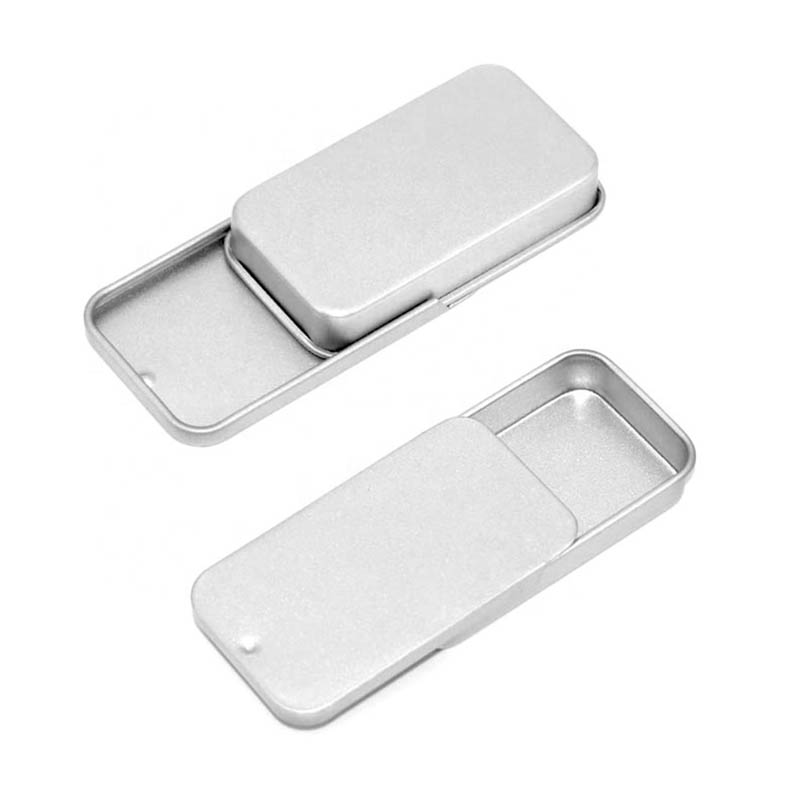
Parfait pour ranger et protéger les objets de la poussière, de la saleté et de l'humidité.Légers et durables, ils sont idéaux pour l'expédition et le transport d'articles.Variété de tailles et de formes, vous permettant de personnaliser vos besoins de stockage.Plusieurs couleurs et designs, vous permettant de personnaliser vos besoins de stockage.Option d'emballage abordable pour les entreprises.
EN SAVOIR PLUS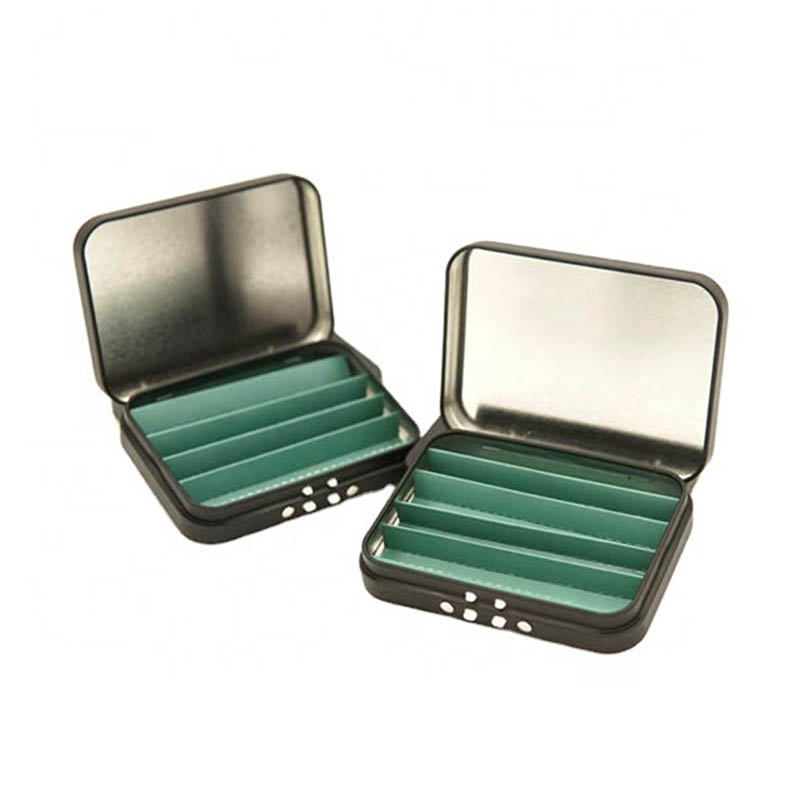
Il existe plus de 100 moules qui peuvent répondre à vos diverses demandes.Hermétiquement et hermétiquement, ils sont idéaux pour stocker des articles comme des épices et des herbes.Coopération à long terme avec Mentos, Tic Tac, Altoids.Option d’emballage écologique car réutilisable et recyclable.Excellent moyen de créer un affichage unique et attrayant.
EN SAVOIR PLUS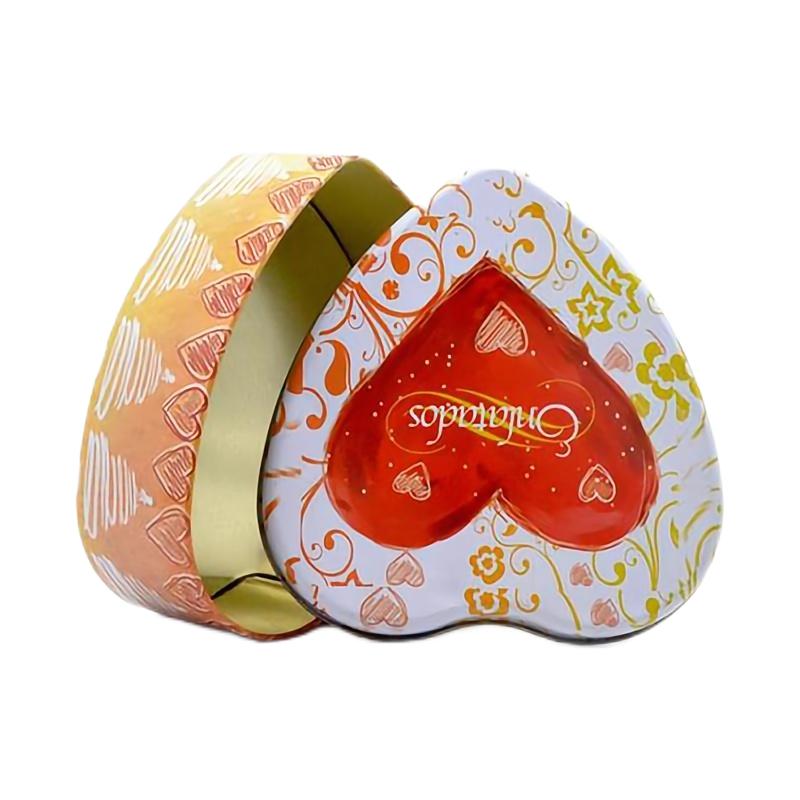
Quel que soit le type d’emballage, nous proposons des options adaptées à vos besoins en matière d’emballage de bonbons.En utilisant des techniques avancées, vous pouvez obtenir une scellement efficace et prolonger la durée de conservation de vos bonbons.Des marques de biscuits notables comme Oreo, Keebler, Chips Ahoy et Pepperidge Farm comptent parmi nos clients dévoués.Nous utilisons du fer blanc de première qualité, adapté au contact alimentaire direct, garantissant ainsi la parfaite sécurité de votre emballage de biscuits.Notre utilisation d’équipements d’impression professionnels Pantone et quadrichromie garantit une qualité et une présentation exceptionnelles des boîtes en fer blanc.
EN SAVOIR PLUS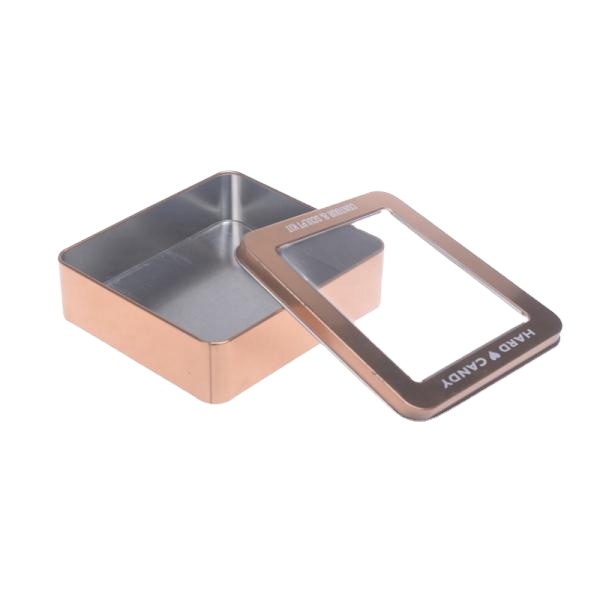
Quel que soit le type d'emballage dont vous avez besoin, nous proposons des options d'emballage de cookies qui fonctionneront.Un stockage prolongé des cookies et un scellement efficace peuvent être obtenus grâce à des techniques avancées.Des marques de biscuits bien connues comme Oreo, Keebler, Chips Ahoy et Pepperidge Farm font partie de notre clientèle fidèle.La sécurité des emballages de biscuits est garantie car ils sont fabriqués en fer blanc de première qualité, sans danger pour le contact alimentaire.Des machines d'impression professionnelles Pantone et 4 couleurs sont utilisées pour réaliser des présentations en boîte en fer blanc de haute qualité.
EN SAVOIR PLUS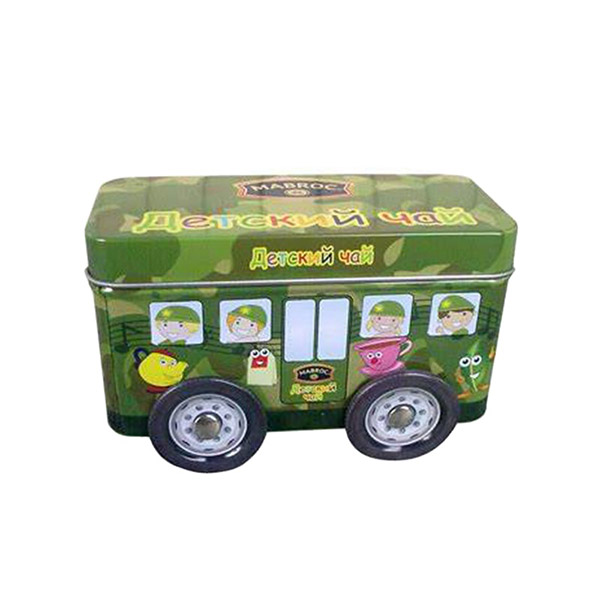
Nous proposons des options d’emballage de bonbons adaptables à tout type d’emballage que vous pourriez avoir.Des techniques de scellement avancées peuvent permettre le stockage efficace de vos cookies pendant des périodes prolongées.Les boîtes à biscuits ont des applications polyvalentes en dehors de la conservation des biscuits, notamment le stockage des noix et des bonbons.L'utilisation de fer blanc de première qualité, sans danger pour le contact alimentaire, garantit la sécurité des emballages de biscuits.L’utilisation de machines d’impression couleur Pantone professionnelles garantit l’excellence des présentations en boîtes métalliques.
EN SAVOIR PLUS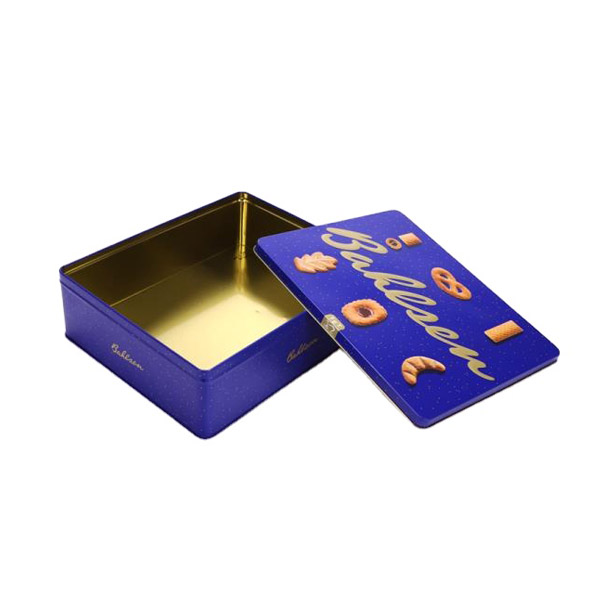
Nous proposons des options d’emballage de bonbons adaptées à tous les types de matériaux d’emballage.La mise en œuvre de techniques sophistiquées permettent un scellement efficace des cookies et un stockage prolongé.En plus de conserver les biscuits, les boîtes à biscuits peuvent également être utilisées pour conserver des fruits secs, des noix et des bonbons.La fonction facile à nettoyer et à désinfecter de l'emballage en boîte à biscuits en fait une option sûre et hygiénique pour l'emballage alimentaire.Les boîtes à biscuits sont conçues dans différentes formes et tailles pour répondre à vos goûts.
EN SAVOIR PLUS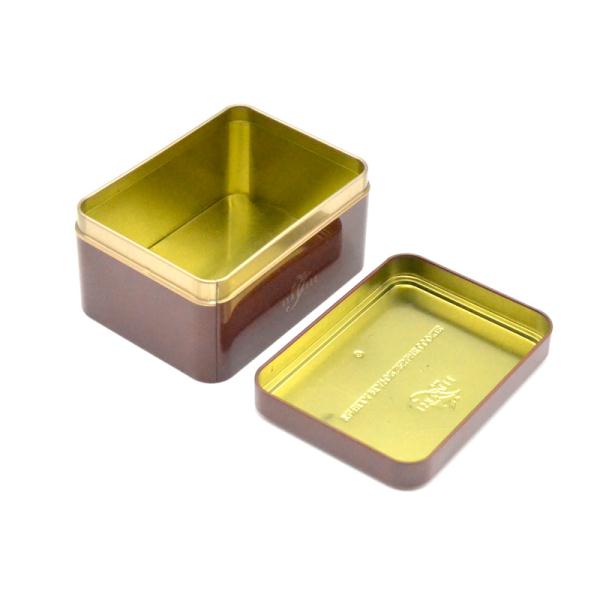
Nous proposons des options d'emballage de chocolat adaptées à une large gamme de matériaux d'emballage.Les boîtes de chocolat sont équipées d'un joint hermétique qui garantit la fraîcheur pendant une période prolongée.Les boîtes de chocolat sont un choix écologique car elles peuvent être utilisées plusieurs fois avant d'être jetées.Grâce à ses qualités durables et durables, la boîte de chocolat est un choix économique pour l’emballage.Le matériau robuste des boîtes de chocolat garantit qu'elles sont protégées contre la casse ou l'écrasement.
EN SAVOIR PLUS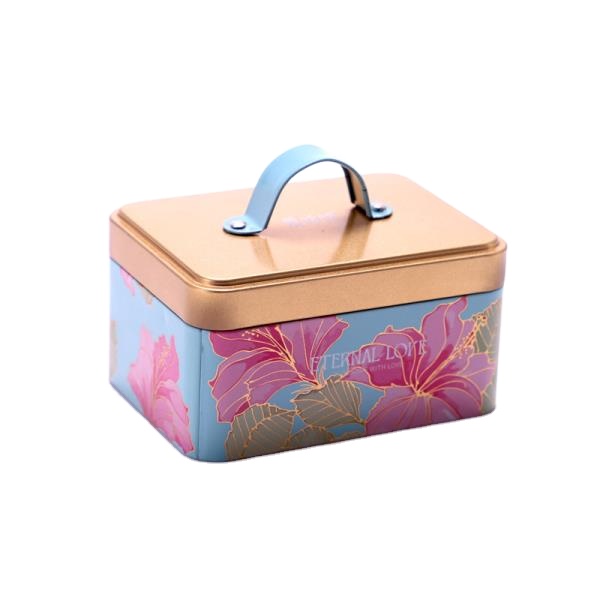
Nos options d'emballage de biscuits sont conçues pour répondre à vos besoins spécifiques en matière d'emballage.Des techniques avancées de scellement peuvent garantir un stockage prolongé de vos cookies et les conserver au frais.Les boîtes à biscuits ont un large éventail d'utilisations au-delà du simple stockage de biscuits, comme la conservation de noix et de bonbons.La capacité de nettoyer et de désinfecter facilement les emballages en boîte à biscuits en fait un choix hygiénique pour l’emballage alimentaire.L'assortiment de formes et de tailles de boîtes à biscuits garantit qu'il y a quelque chose selon vos préférences.
EN SAVOIR PLUS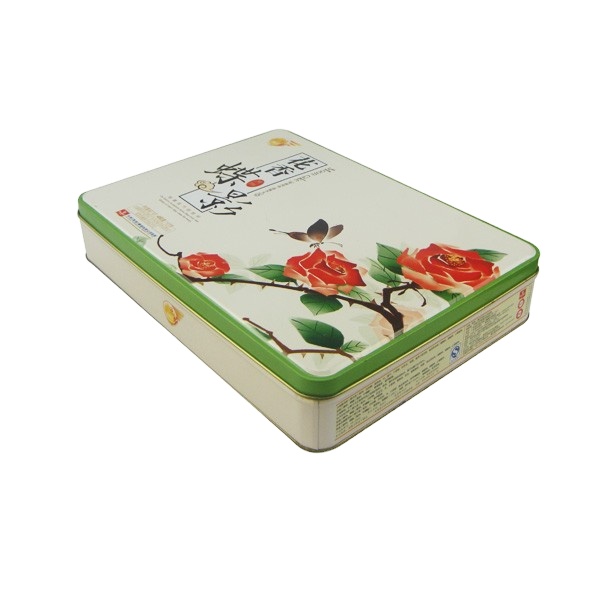
Nos options d'emballage de gâteaux sont polyvalentes et peuvent être adaptées à tout type d'emballage.Vos cookies peuvent être stockés pendant des périodes plus longues à l'aide de techniques de scellement sophistiquées.La fraîcheur des biscuits est préservée pendant une période prolongée grâce à la fonction de blocage de l'air et de l'humidité.La facilité avec laquelle les emballages en boîte à biscuits peuvent être nettoyés et désinfectés en fait une option hygiénique.Différentes formes et tailles de boîtes à biscuits vous permettent de trouver celle qui vous convient.
EN SAVOIR PLUS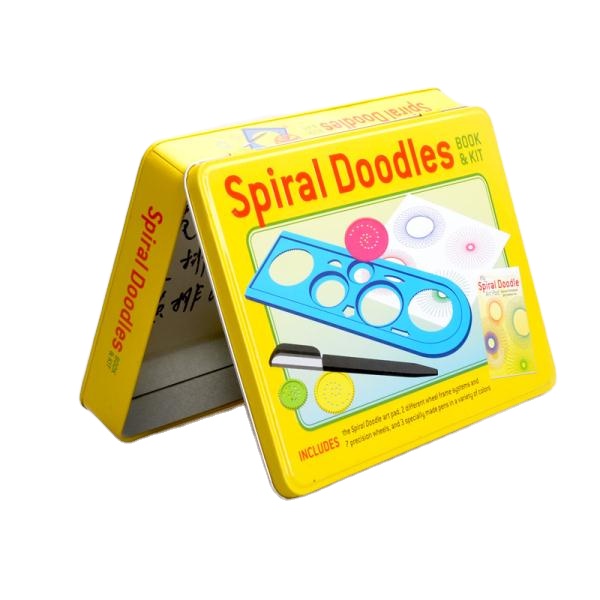
Nous proposons des options de conditionnement de cookies adaptables à tout type d’exigence de conditionnement de cookies.Un joint hermétique sur les boîtes à biscuits garantit que vos biscuits restent frais pendant une période prolongée.Les boîtes métalliques à biscuits sont une alternative écologique grâce à leur capacité à être réutilisées plusieurs fois.La robustesse et la longévité de la boîte à biscuits en font une solution d'emballage rentable.Grâce à leur matériau robuste, les boîtes à biscuits offrent une excellente protection contre la casse ou l'écrasement.
EN SAVOIR PLUS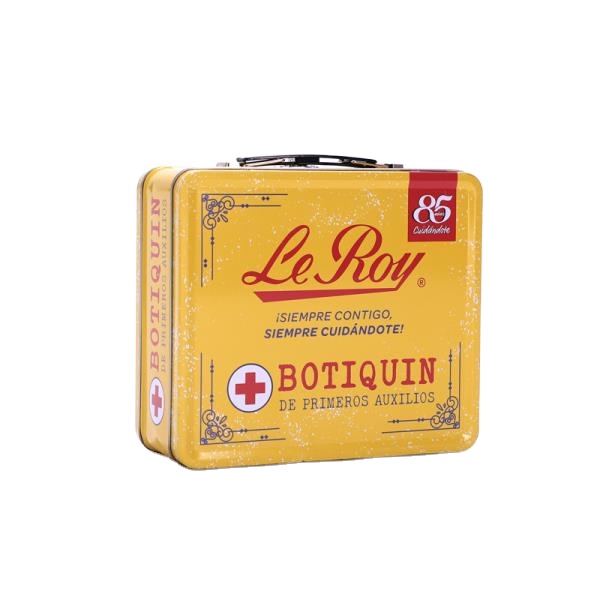
Nos options d'emballage de cookies peuvent être adaptées pour répondre à vos exigences spécifiques en matière d'emballage.Pour le stockage prolongé de vos cookies, des techniques de scellement avancées peuvent être utilisées.Privilège de servir des marques de biscuits bien connues comme Oreo, Keebler, Chips Ahoy et Pepperidge Farm.L'emballage de vos biscuits est entièrement sans danger pour le contact alimentaire car il est fabriqué en fer blanc de première qualité.Des machines d'impression professionnelles Pantone et 4 couleurs sont utilisées pour garantir la supériorité des présentations en boîte en fer blanc.
EN SAVOIR PLUS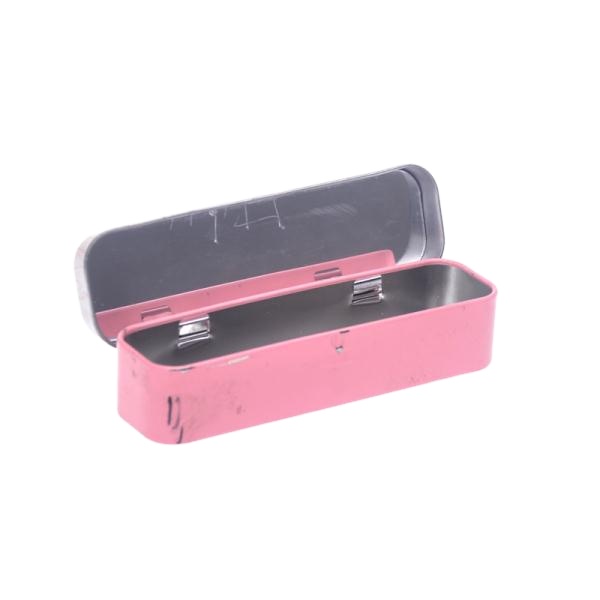
Fabriqué à partir de matériaux en fer blanc résistants et résilients, résiste et reste robuste pendant une période prolongée.Protégez votre papeterie contre les dommages ou la perte avec une barrière fiable, en la gardant en sécurité et intacte.Découvrez la polyvalence de notre collection, qui offre une gamme de tailles et de styles pour répondre à tous vos besoins, des supports aux étuis.Libérez tout le potentiel de vos crayons avec une machine d'impression couleur de pointe, avec des designs personnalisés et rendez-les irrésistiblement séduisants.Approvisionnement direct en usine, garantissant que vous recevez des produits de la plus haute qualité à un prix compétitif et rentable.
EN SAVOIR PLUS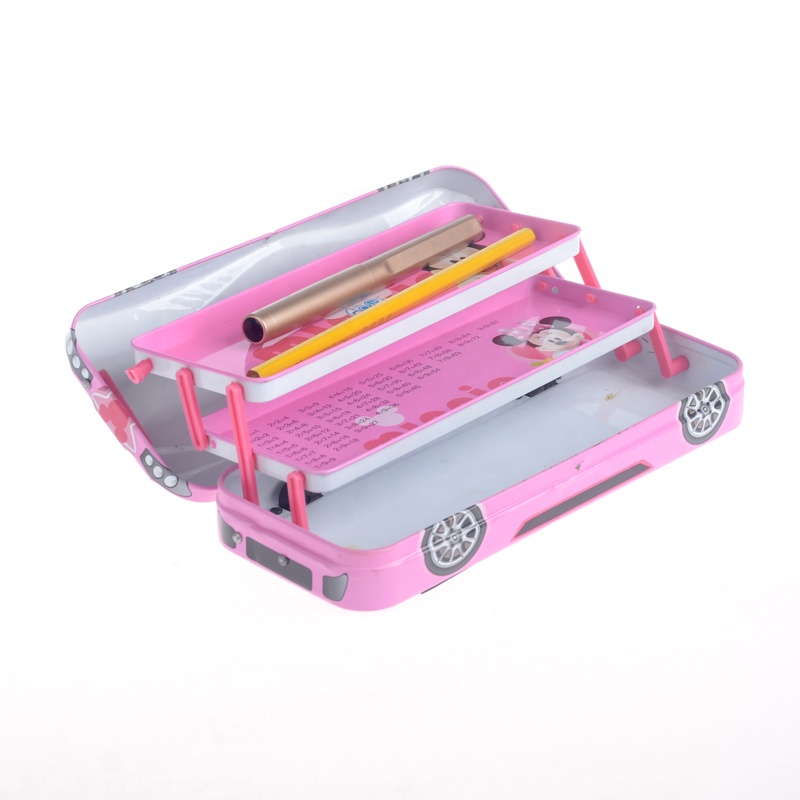
Construit à partir de matériaux en fer blanc robustes, garantissant leur durabilité et leur longévité.Protégez votre papeterie avec une barrière sécurisée, en la protégeant des dommages ou de la perte.Une grande variété de tailles et de styles, y compris des supports et des étuis, répondent à tous vos besoins et préférences spécifiques.Avec une machine d'impression couleur de pointe, ajoutant une touche personnalisée et captivante à chacun.Nous garantissons que vous recevrez des produits haut de gamme d’une qualité exceptionnelle à un prix très compétitif.
EN SAVOIR PLUS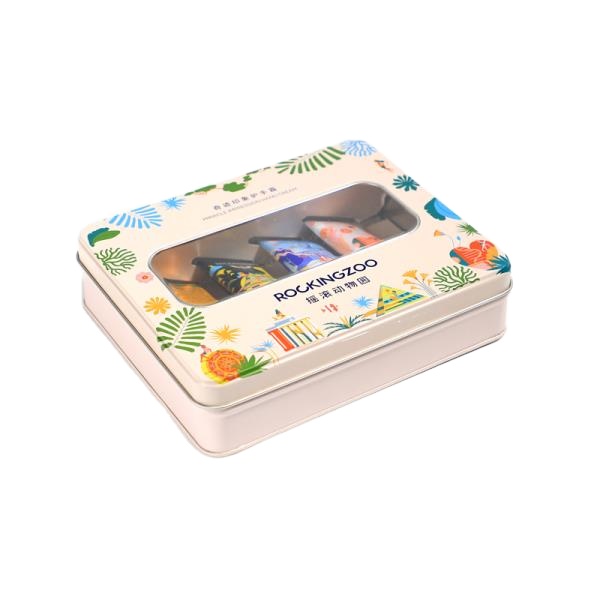
Fabriqué à partir de matériaux en fer blanc résistants, conçus pour résister à l'épreuve du temps et rester durables pendant une période prolongée.Assurez la sécurité de votre papeterie en utilisant une barrière fiable, empêchant efficacement tout dommage ou perte potentiel.Solution parfaite pour vos divers besoins avec une large gamme de tailles et de styles, y compris des supports et des étuis.Améliorez l'attrait de vos crayons avec notre machine d'impression couleur avancée, créant une esthétique personnalisée et accrocheuse.Bénéficiez de notre approvisionnement direct en usine, vous assurant de recevoir des produits de qualité supérieure à un coût qui reste très compétitif.
EN SAVOIR PLUS
Quel que soit le type d’emballage dont vous avez besoin, nous avons la solution idéale pour vous. Des techniques avancées garantissent une étanchéité efficace de vos produits, permettant des capacités de stockage étendues. Des marques alimentaires renommées comme Oreo, Keebler, Chips Ahoy et Pepperidge Farm comptent parmi nos clients fidèles. Soyez assuré que vos produits seront emballés dans du fer blanc de première qualité, sans danger pour le contact direct avec les aliments. Les machines d’impression professionnelles Pantone et 4 couleurs garantissent des présentations en boîte métallique de qualité supérieure pour vos produits.
EN SAVOIR PLUS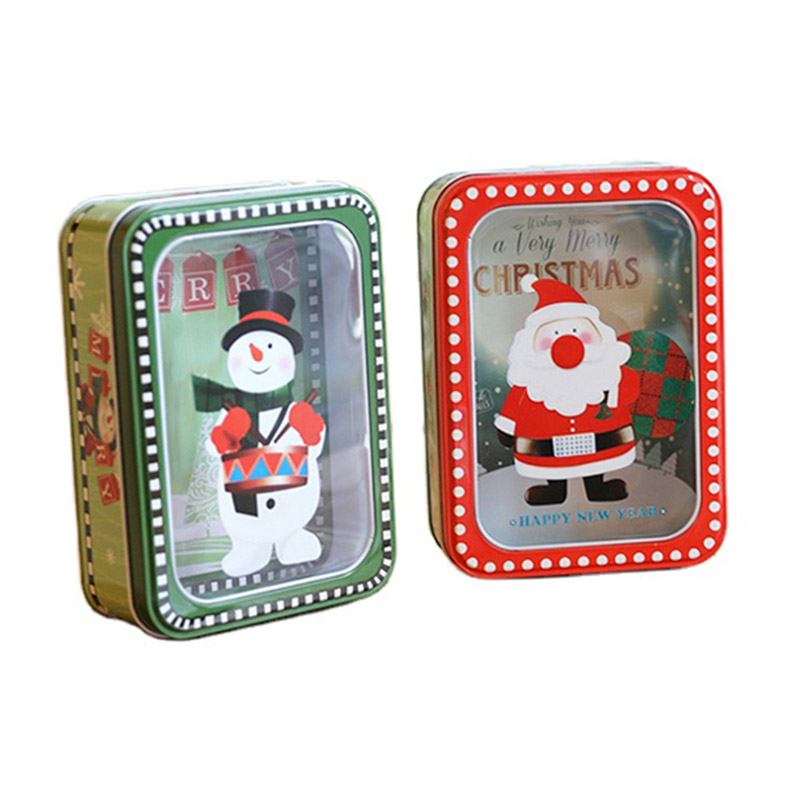
Nous proposons une sélection diversifiée d’options d’emballage de bonbons qui répondent à divers besoins d’emballage.Le joint hermétique des boîtes de bonbons joue un rôle crucial dans la préservation de la fraîcheur pendant une période prolongée.Les designs vibrants et accrocheurs des boîtes à bonbons garantissent une reconnaissance et une identification faciles.Les emballages en boîtes de bonbons sont une option parfaite pour maintenir les emballages alimentaires hygiéniques, car ils peuvent être facilement nettoyés et désinfectés.Les boîtes à bonbons sont fabriquées à partir de matériaux durables qui offrent une excellente protection contre la casse ou l'écrasement.
EN SAVOIR PLUS
Pour les entreprises disposant d'un espace de stockage limité, nos boîtes métalliques à la menthe sont un excellent choix car elles peuvent être facilement empilées et stockées.Choix abordable et pratique, parfait pour les entreprises soucieuses de leurs coûts.De nombreuses collaborations durables, comme celles avec Jo Malone, Voluspa, Diptyque.Les matériaux recyclables font des boîtes en fer blanc une option durable pour les entreprises, démontrant leur engagement en faveur de la conscience environnementale.Portables, durables et peu coûteux, ce qui en fait un excellent choix pour la livraison commerciale.
EN SAVOIR PLUS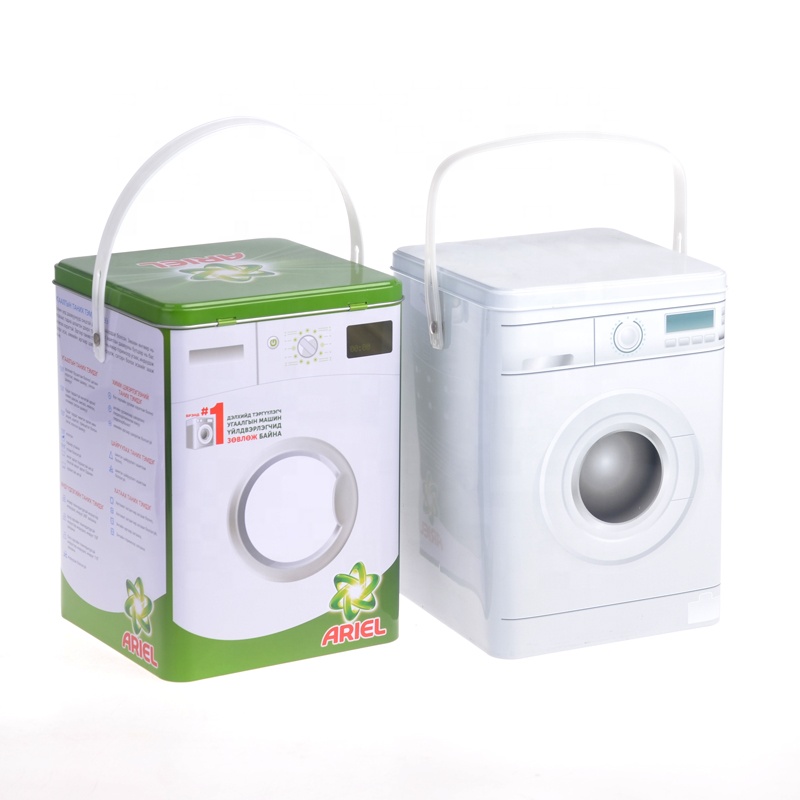
Nos options d'emballage de cookies peuvent être personnalisées pour correspondre parfaitement à vos besoins et préférences uniques en matière d'emballage.Pour garantir la fraîcheur durable de vos cookies, nous utilisons des techniques de scellage avancées qui préservent efficacement leur qualité pendant le stockage.Privilège d'offrir des marques de biscuits renommées telles que Oreo, Keebler, Chips Ahoy et Pepperidge Farm, garantissant une gâterie délicieuse et satisfaisante.Nos emballages de biscuits sont totalement sans danger pour le contact alimentaire, car ils sont fabriqués à partir de fer blanc de haute qualité qui répond aux normes de sécurité et d'hygiène les plus élevées.Utilisez des machines d'impression professionnelles Pantone et 4 couleurs pour garantir la qualité supérieure de nos présentations en boîtes de conserve, garantissant ainsi des designs vibrants et visuellement attrayants pour nos précieux clients.
EN SAVOIR PLUS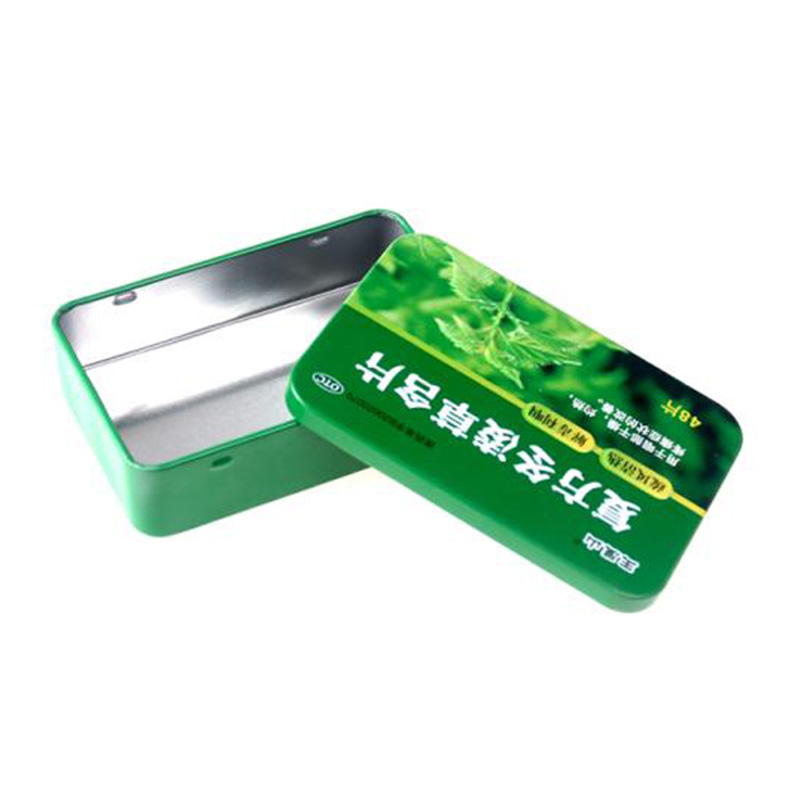
Empilable, économisant de l'espace, pratique à ranger et à organiser.Des utilisations variées, qu'il s'agisse de ranger des objets ou de servir d'éléments de décoration.Idéal pour offrir de petits objets tels que des chocolats, des bonbons et autres gourmandises sucrées.Le fer blanc de qualité alimentaire aide à préserver la fraîcheur et la saveur des bonbons, garantissant qu'ils restent délicieux.Les boîtes en fer blanc peuvent être personnalisées avec vos designs et motifs uniques, ajoutant une touche d'exclusivité et augmentant leur valeur globale.
EN SAVOIR PLUS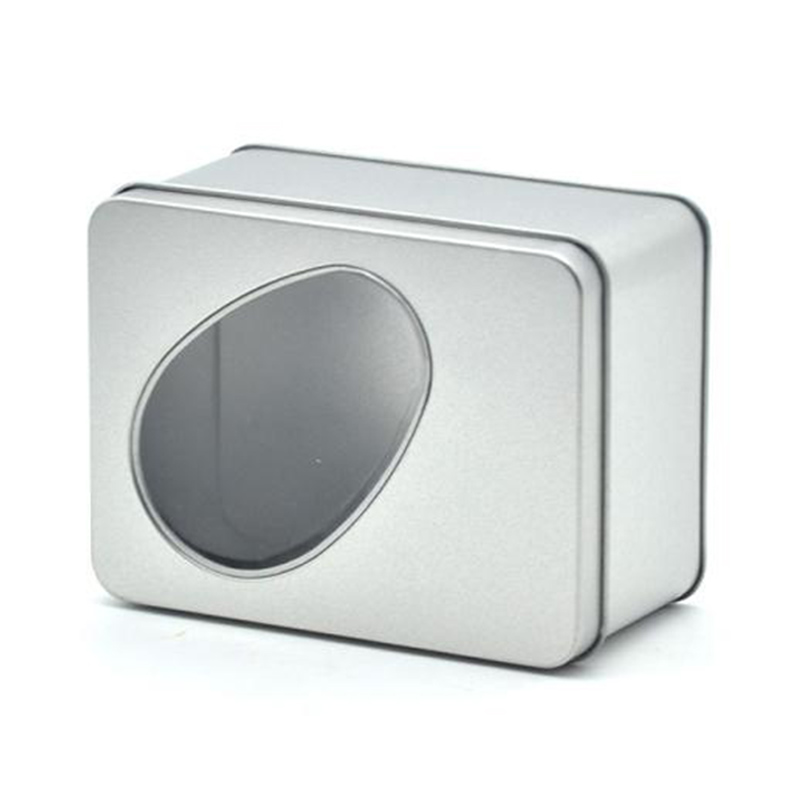
Quel que soit le type d'emballage dont vous avez besoin, nous proposons des options d'emballage de cookies adaptées.Vos cookies peuvent être stockés pendant des périodes plus longues grâce à des techniques de scellement efficaces.Oreo, Keebler, Chips Ahoy et Pepperidge Farm sont des marques de biscuits célèbres qui nous sont fidèles.L'utilisation de fer blanc de première qualité alimentaire garantit la sécurité de votre emballage de biscuits.Des machines d'impression professionnelles Pantone et 4 couleurs sont utilisées pour garantir la qualité supérieure des présentations en boîtes de conserve.
EN SAVOIR PLUS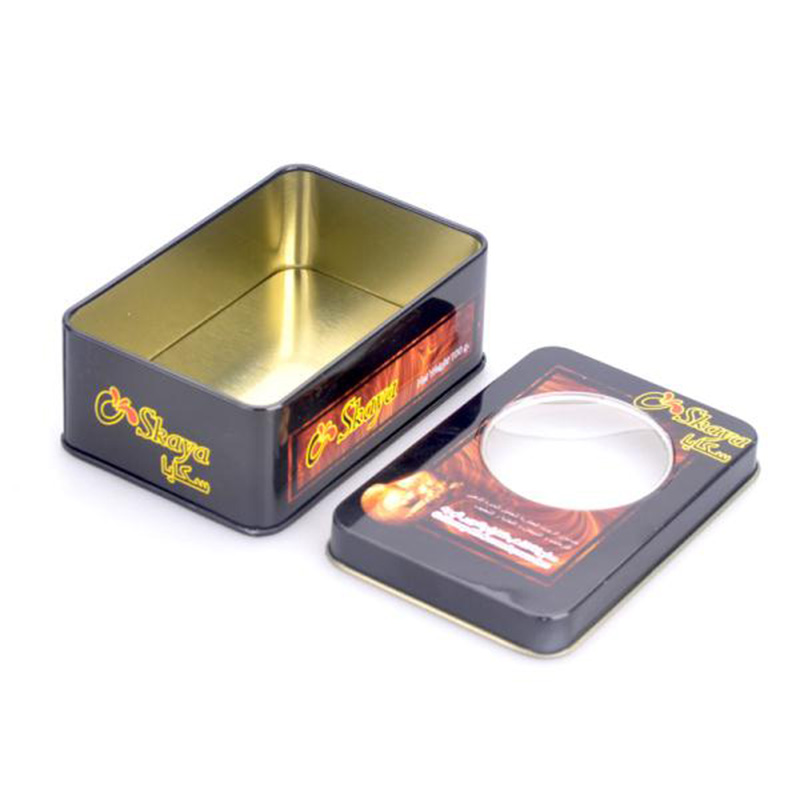
La solution de stockage empilable est conçue pour économiser de l'espace, ce qui la rend pratique pour stocker et organiser vos effets personnels.Utilisé à diverses fins, qu'il s'agisse de ranger des objets ou de servir d'éléments décoratifs.Parfait pour présenter de petits objets comme des chocolats, des bonbons et d'autres délicieuses friandises.Le fer blanc de première qualité aide à préserver la fraîcheur et la saveur des bonbons et à prolonger la durée de conservation.La prise en charge des logos et des designs personnalisés rend le produit plus attrayant et plus précieux.
EN SAVOIR PLUS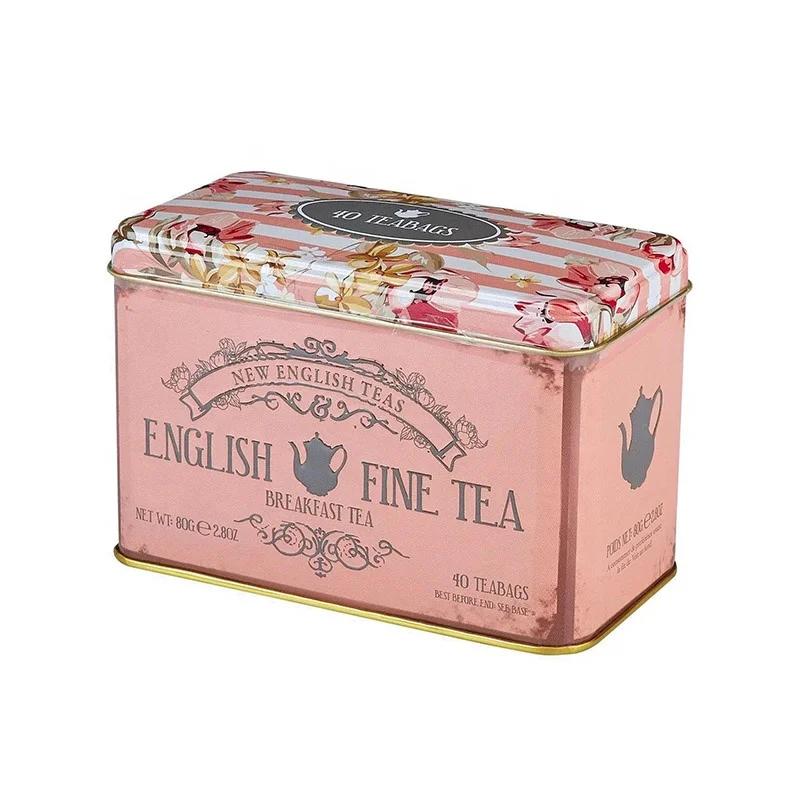
Robuste et polyvalent pour de nombreuses applications.Assure une fermeture hermétique, conservant la saveur et l'arôme du thé.Offre une sélection variée de tailles et de styles, ce qui facilite la recherche de celui qui répond à vos besoins.Utilisé pour stocker une variété d’articles, notamment des épices, des herbes et des thés en feuilles.Exceptionnellement résistant, garantissant que votre thé est protégé de l'humidité, de la lumière et de l'air.
EN SAVOIR PLUS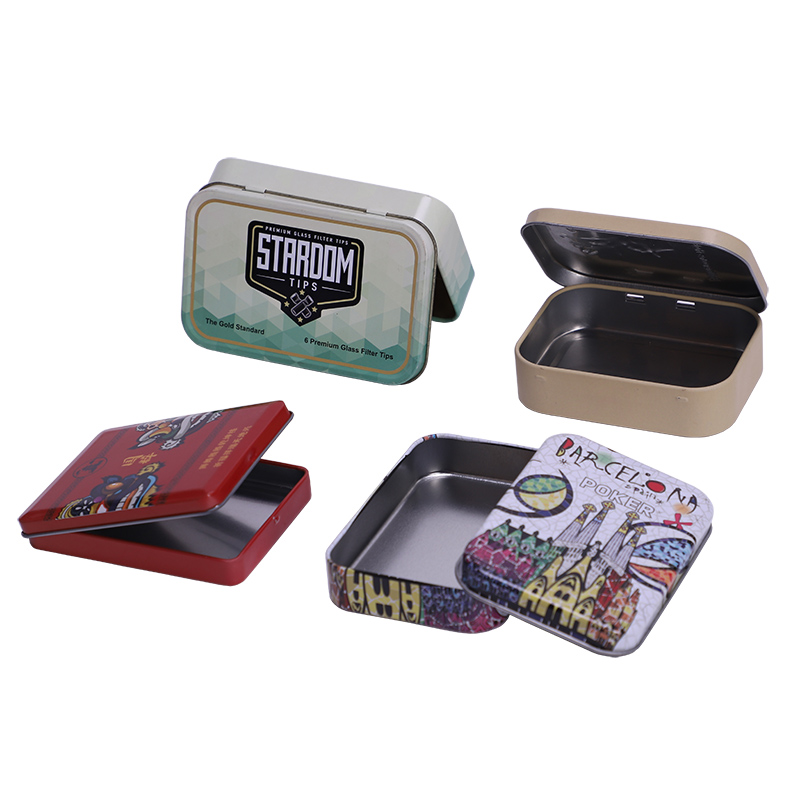
Large gamme de solutions d'emballage en fer blanc parmi lesquelles choisir, couvrant toute la gamme de produits. Le processus moderne apporte une bonne étanchéité et une longue durée de stockage. Parmi les partenaires bien connus figurent des marques de premier plan telles que Mentos, Tic Tac, Altoids. Le matériau en fer blanc de qualité supérieure garantit une étanchéité parfaite de la boîte. Équipe de conception professionnelle, équipement d'impression avancé, présentation parfaite.
EN SAVOIR PLUS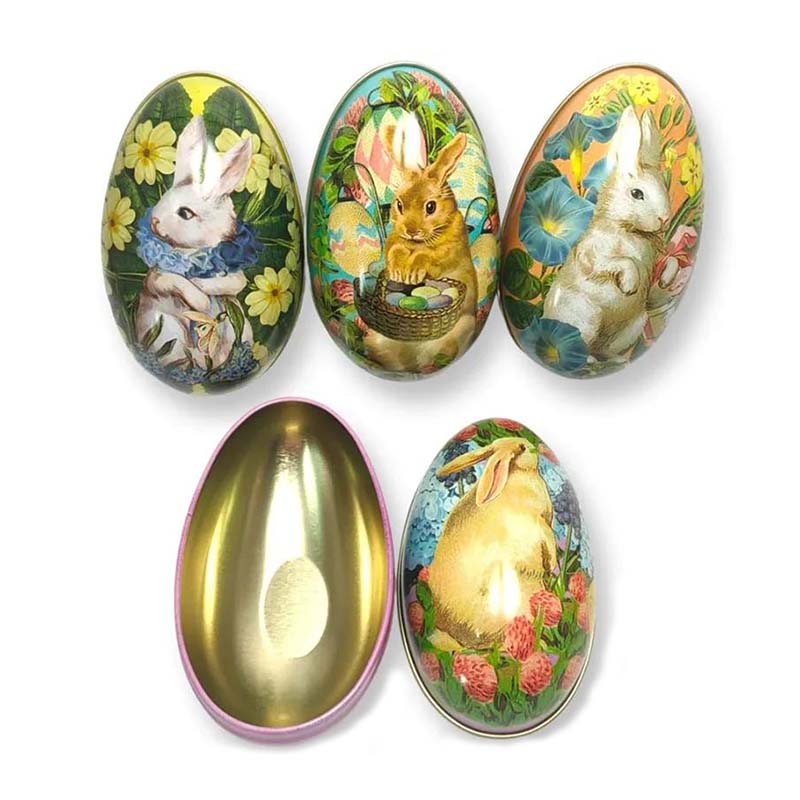
Les boîtes à œufs sont une option idéale pour les entreprises disposant d'un espace de stockage limité, car elles peuvent être empilées et stockées sans effort.Une option économique et pragmatique, idéale pour les entreprises soucieuses de leurs dépenses.De nombreux partenariats durables, dont ceux avec Jo Malone, Voluspa et Diptyque.Les boîtes en fer blanc fabriquées à partir de matériaux recyclables offrent une alternative durable aux entreprises, démontrant leur engagement en faveur de la conscience environnementale.Portables, résilients et économiques, ce qui en fait une excellente option pour les livraisons commerciales.
EN SAVOIR PLUS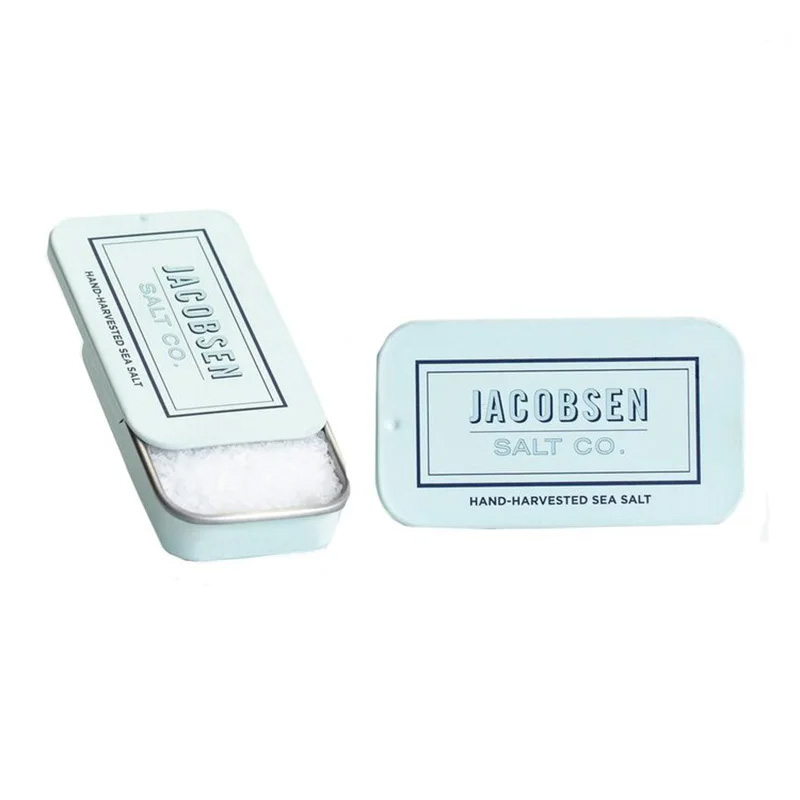
Vos produits bénéficient d’une excellente protection alliant résistance et durabilité.Outil promotionnel idéal, ils peuvent être personnalisés avec votre marque.Attrayants pour les clients, ils ont un design visuellement attrayant.Idéals pour l’identification des produits, ils sont faciles à étiqueter.Option d'emballage respectueuse de l'environnement, ils sont recyclables.
EN SAVOIR PLUS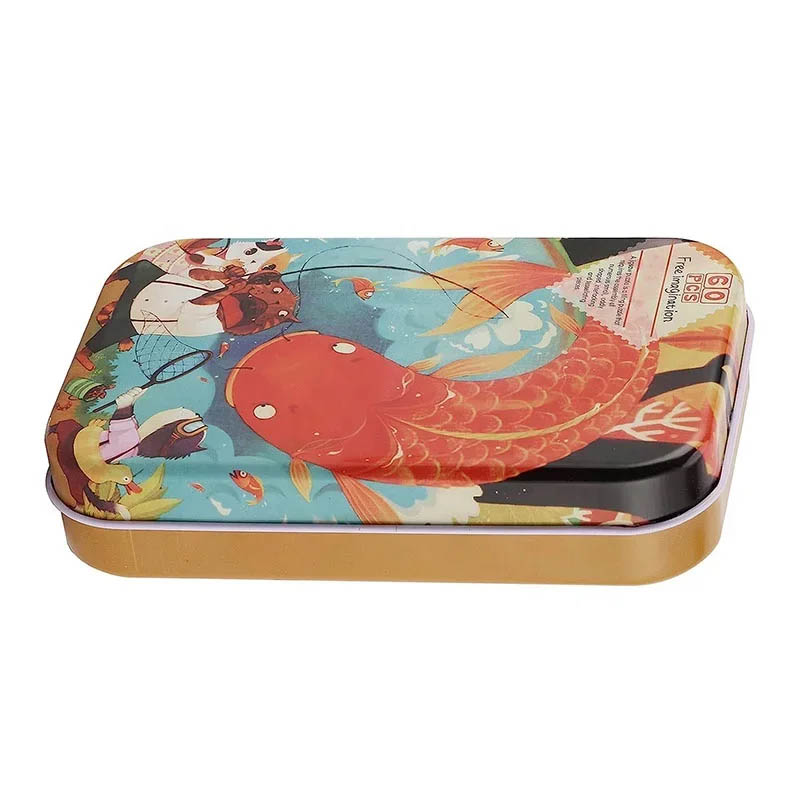
Explorez une gamme diversifiée de solutions d'emballage en boîte métallique conçues pour s'adapter à une large gamme de produits. Nos procédés contemporains garantissent une étanchéité sécurisée et une durée de stockage prolongée. Collaborez avec des marques bien connues comme Mentos, Tic Tac et Altoids. L’utilisation de fer blanc de première qualité garantit une étanchéité parfaite de votre emballage en fer blanc. Bénéficiez d’une équipe de conception professionnelle, d’un équipement d’impression de pointe et de normes de présentation impeccables.
EN SAVOIR PLUS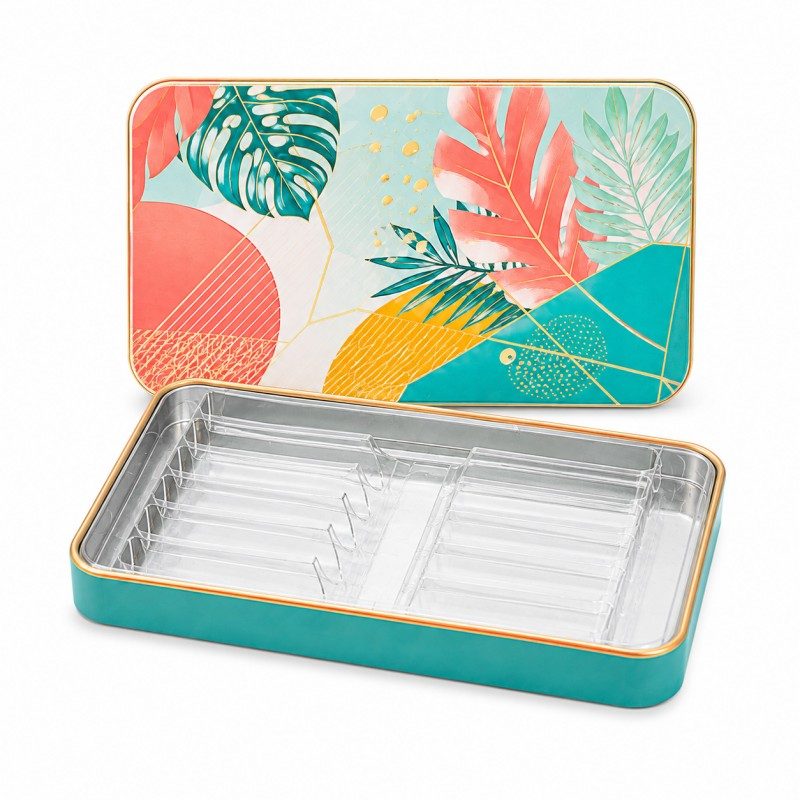
Conçus pour être facilement empilés, ces conteneurs facilitent le stockage et l’organisation. Ces contenants sont non seulement réutilisables mais également polyvalents, servant à la fois de rangement et de décoration. Avec une variété de tailles, de couleurs et de designs, vous pouvez trouver celui qui répond parfaitement à vos besoins. La conception simple du couvercle rabattable permet une ouverture et une fermeture faciles. Fabriqués à partir de fer blanc durable, ces conteneurs sont conçus pour durer et résister à une utilisation quotidienne.
EN SAVOIR PLUS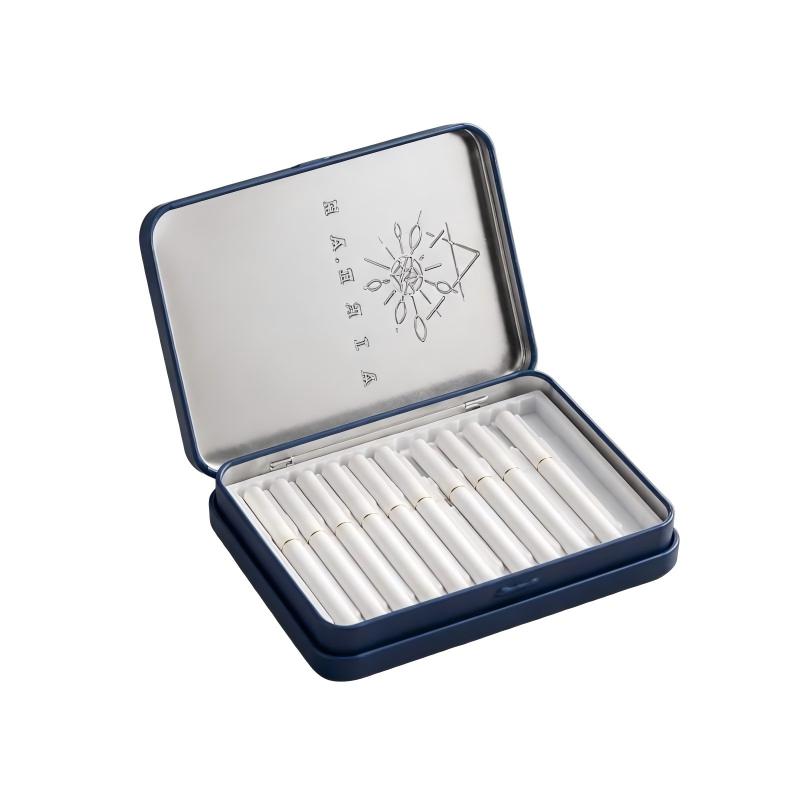
Ces conteneurs sont conçus pour un rangement et une organisation pratiques, conçus pour s'empiler proprement. Ils conviennent à diverses fins et peuvent être réutilisés pour ranger des objets ou utilisés comme pièces décoratives. Vous pouvez choisir parmi une gamme de tailles, de couleurs et de designs qui répondent parfaitement à vos besoins spécifiques. Les conteneurs sont dotés d'une structure simple à couvercle rabattable à charnière, garantissant une ouverture et une fermeture faciles. Leur construction en fer blanc durable garantit qu'ils sont construits pour durer et résistants à l'usure.
EN SAVOIR PLUSObtenez les dernières informations et offres spéciales


 Réseau IPv6 pris en charge
 Français
 English
 Deutsch
 Español
 Português